Transforming medical equipment procurement globally

Why Surgical Instrument Sets Matter in Modern Healthcare

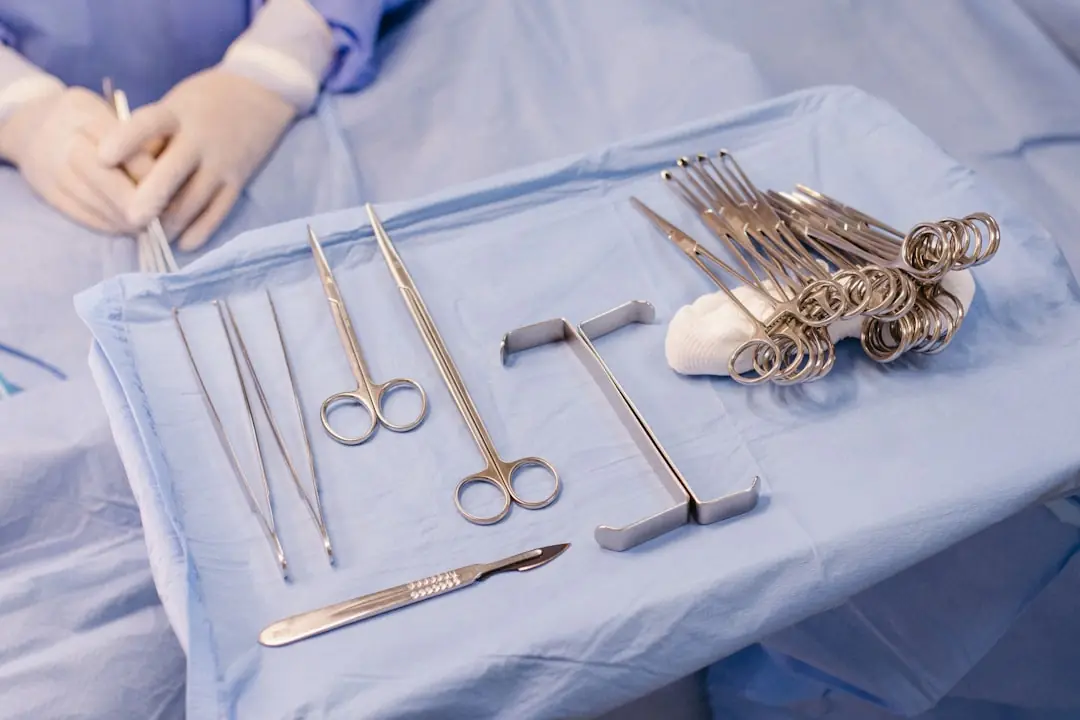
Surgical instrument sets are pre-assembled collections of sterile, specialized tools designed for specific medical procedures. These sets streamline operating room workflows, reduce setup time, and minimize the risk of missing critical instruments during surgery.
Key facts about surgical instrument sets:
- Range: Over 17,000 surgical instruments available across specialties
- Materials: Primarily German stainless steel for durability and sterilization compatibility
- Types: General surgery, ENT, orthopedic, OB/GYN, spine, and veterinary sets
- Components: Typically include scalpels, scissors, forceps, clamps, retractors, and needle holders
- Options: Available as pre-assembled kits or customizable collections
- Benefits: Maximum convenience, efficiency, and reduced cross-contamination risk
The operating room contains a multitude of instruments fit for accomplishing a number of procedures. For procurement managers, choosing the right surgical instrument sets means balancing quality, cost, and supplier reliability while meeting regulatory standards like FDA compliance and CE marking.
This basic general set equips surgical teams with essential instruments custom for everyday operative needs. Whether you're sourcing a 70-piece major surgery set made from German stainless steel or specialty kits for pediatric procedures, understanding the composition and sourcing strategies for these collections is critical.
The challenge isn't just finding instruments—it's finding verified suppliers who offer transparent pricing, proper certifications, and reliable international logistics. Medical device technology has advanced rapidly over the years, and surgical instrument sets have become an integral part of medical equipment in surgical centers and operating rooms.
Understanding Surgical Instrument Sets and Their Clinical Importance
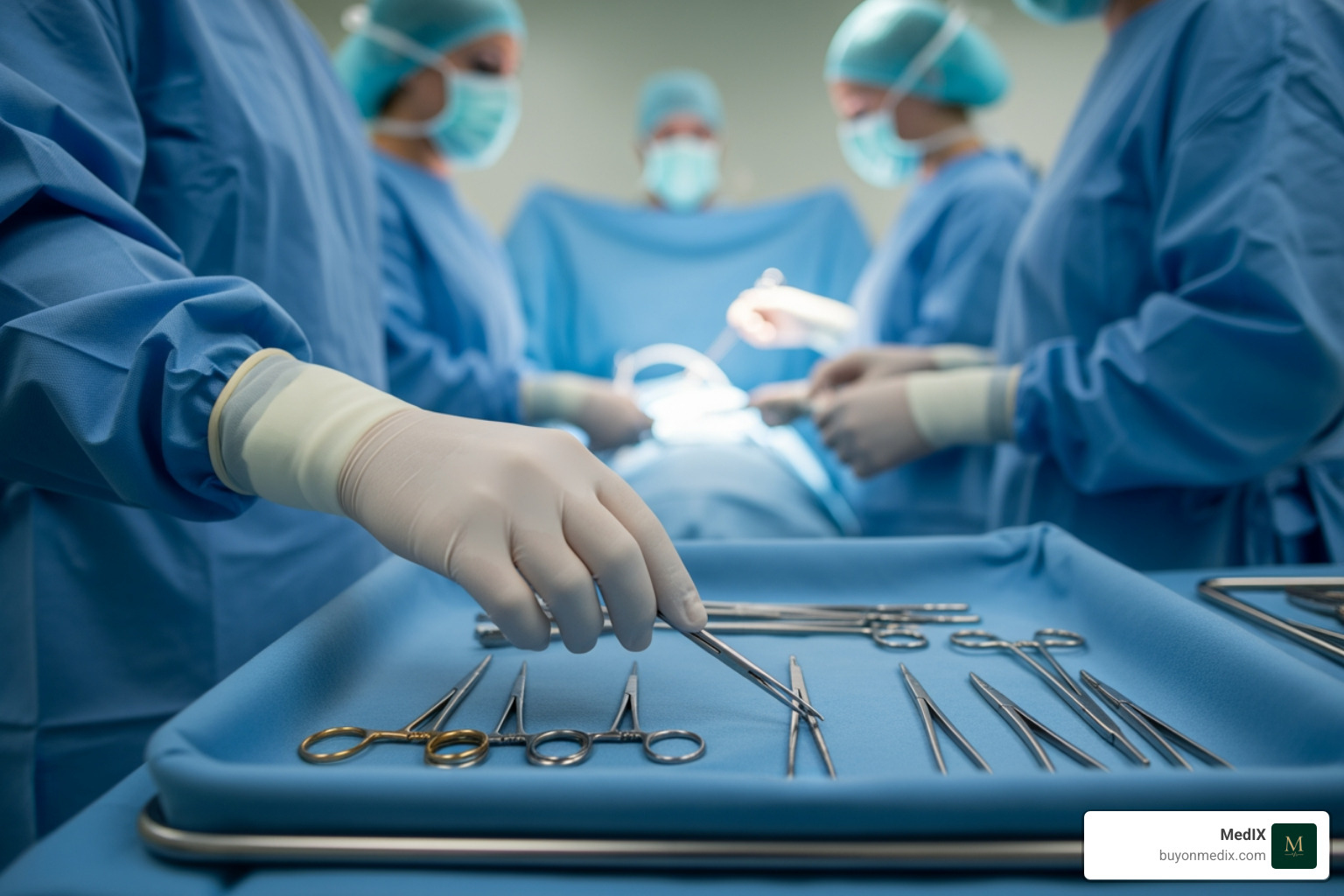
In the high-stakes environment of an operating room, every second counts. Imagine a surgeon reaching for a specific clamp only to find it missing from the tray. That’s where surgical instrument sets come in. These are not just random piles of metal; they are carefully curated, sterile collections designed to ensure that every tool needed for a specific procedure is within arm's reach.
The clinical importance of these sets cannot be overstated. First and foremost, they drive operating room efficiency. By having pre-assembled kits, surgical teams can significantly reduce setup time, allowing for more procedures to be performed and reducing the time a patient spends under anesthesia. Furthermore, these sets are vital for cross-contamination prevention. Whether they are reusable sets that undergo rigorous autoclave cycles or single-use kits that are disposed of after one procedure, they ensure a sterile environment.
When we talk about Certified Medical Equipment, we are referring to tools that have passed stringent quality tests. High-quality sets reduce the "fumble factor" in surgery. When a surgeon uses a well-balanced, sharp, and reliable instrument, the risk of tissue trauma is minimized, leading to better patient outcomes and faster recovery times.
Essential Components of General Surgical Instrument Sets
While specialized surgeries require unique tools, most procedures begin with a foundation of basic instruments. A high-quality surgical instrument set is typically crafted from German stainless steel. Why German steel? It is renowned for its carbon and chromium balance, providing the perfect mix of hardness (to stay sharp) and corrosion resistance (to survive thousands of sterilization cycles).
A standard General Surgical Instrument Set usually includes several categories of tools:
- Cutting and Dissecting: Scalpel handles (often #3, #4, and #7) and various scissors.
- Grasping and Holding: Forceps like the Adson (for skin) or the Allis (for heavier tissue).
- Clamping and Occluding: Hemostatic clamps to stop bleeding.
- Retracting: Senn or Deaver retractors to hold back tissue and provide a clear view.
Standard Tools in General Surgical Instrument Sets
Let's get specific. In a major basic surgery set—which can include upwards of 70 individual pieces—you will almost always find:
- Mayo Scissors: Available in straight and curved versions. The straight ones are used for cutting sutures and supplies, while the curved ones are for cutting heavy tissue like fascia.
- Metzenbaum Scissors: Casually known as "Metz," these are more delicate and used for blunt dissection and cutting thin tissues.
- Crile Forceps: Often called "snaps," these are used to clamp blood vessels or tissue before cauterization or ligation.
- Needle Holders: Tools like the Mayo-Hegar are essential for suturing. Many premium versions feature tungsten carbide inserts on the jaws for a non-slip grip on the needle.
- Suction Tubes: The Yankauer is the go-to for surface suction, while the Poole suction is used to clear large volumes of fluid from abdominal cavities.
- Towel Clips: Backhaus towel clips are used to secure drapes around the surgical site.
Ensuring these tools are CE Marked Medical Devices is a non-negotiable step for us at MedIX, as it guarantees the equipment meets European safety and environmental protection standards.
Specialty-Specific Surgical Instrument Sets: From ENT to Orthopedics
As surgery moves from general abdominal work to specialized fields, the instruments become increasingly "niche." A tool that works perfectly for a laparotomy would be disastrous in a delicate middle-ear surgery.
ENT (Ear, Nose, and Throat) Sets: These procedures require long, thin instruments to steer narrow passages. A typical ENT set includes Hartmann Alligator forceps for grasping tiny objects and various nasal dilators. Specialized sets like the Berghaus Paranasal Sinus set are used for microsurgery where precision is measured in millimeters.
OB/GYN Kits: These sets are designed for high-volume, invasive procedures. They include various sizes of vaginal speculums, uterine sounds for measuring the depth of the uterus, and Pozzi forceps. For procedures like IUD insertion, single-use kits are increasingly popular because they include everything from gloves to the hysterometer in one sterile package.
Orthopedic and Spine Tools: Orthopedics is the "heavy lifting" of the surgical world. These surgical instrument sets contain bone saws, rasps, bone cutters, and drills. Because they deal with the musculoskeletal system, these tools must be incredibly strong. Spine surgery sets take this a step further with specialized rod holders, chisels, and punches designed to work around the delicate spinal cord.
Customizing Surgical Instrument Sets for Specialized Procedures
One of the greatest trends in modern procurement is the ability to create Custom Surgical Instrument Sets. No two surgeons work exactly the same way. We see facilities requesting custom trays that combine specific brands or unique tool counts based on the surgeon's preference.
Customization also extends to specific patient populations:
- Pediatric Sets: Smaller versions of standard tools (like pediatric laparotomy sets) are essential for operating on infants and children.
- Veterinary Adaptations: Interestingly, many veterinary sets are adapted from human surgical tools. However, they must be modified to account for the diverse skeletal structures of different animal species.
Key Considerations When Choosing Surgical Instrument Sets
When you are looking to purchase surgical instrument sets, price is only one part of the equation. As experts in the field, we recommend focusing on the following "quality pillars":
- Material Quality: Look for "German Grade" stainless steel. It resists pitting and rusting better than lower-grade alternatives.
- Tungsten Carbide (TC) Inserts: For needle holders and scissors, TC inserts provide a much longer life and better performance. You can usually identify these by their gold-colored handles.
- Ergonomic Design: Surgery can last for hours. Ergonomic handles reduce hand fatigue for the surgical team, which can improve precision.
- Sterilization Compatibility: Ensure the instruments can withstand repeated high-heat autoclaving without losing their temper or finish.
- Warranty: Reputable manufacturers often offer a lifetime warranty against defects in materials and workmanship.
To help you decide between the two main procurement paths, here is a comparison table:
| Feature | Reusable Stainless Steel Sets | Single-Use Instrument Kits |
|---|---|---|
| Initial Cost | High | Low |
| Longevity | Years (with proper maintenance) | One-time use |
| Infection Risk | Low (if sterilized correctly) | Lowest (zero cross-contamination) |
| Environmental Impact | Lower (less waste) | Higher (disposable plastic/metal) |
| Maintenance | Requires cleaning & sharpening | None |
| Best For | High-volume general surgery | Emergency rooms, minor clinics, IUDs |
Check out our Quality Surgical Instrument Sets to see the range of options available.
Procurement Strategies: Pre-assembled vs. Individual Instruments
Is it better to buy a pre-assembled kit or pick and choose individual instruments?
Pre-assembled sets offer maximum convenience. They are designed based on standard clinical protocols, meaning you don't have to worry about forgetting a specific retractor or clamp. They are also often more cost-effective than buying 70 individual pieces separately. For a new facility, buying pre-assembled sets is the fastest way to get an operating room up and running.
On the other hand, buying individual instruments allows for total control. If a surgeon only uses a specific type of Metzenbaum scissors, you can swap them in. However, this requires much more intensive inventory management and can lead to higher shipping costs and administrative headaches.
For most hospitals, a hybrid approach works best: start with a basic Major General Surgery Set and then supplement it with individual specialty tools as needed.
Sourcing High-Quality Surgical Instrument Sets
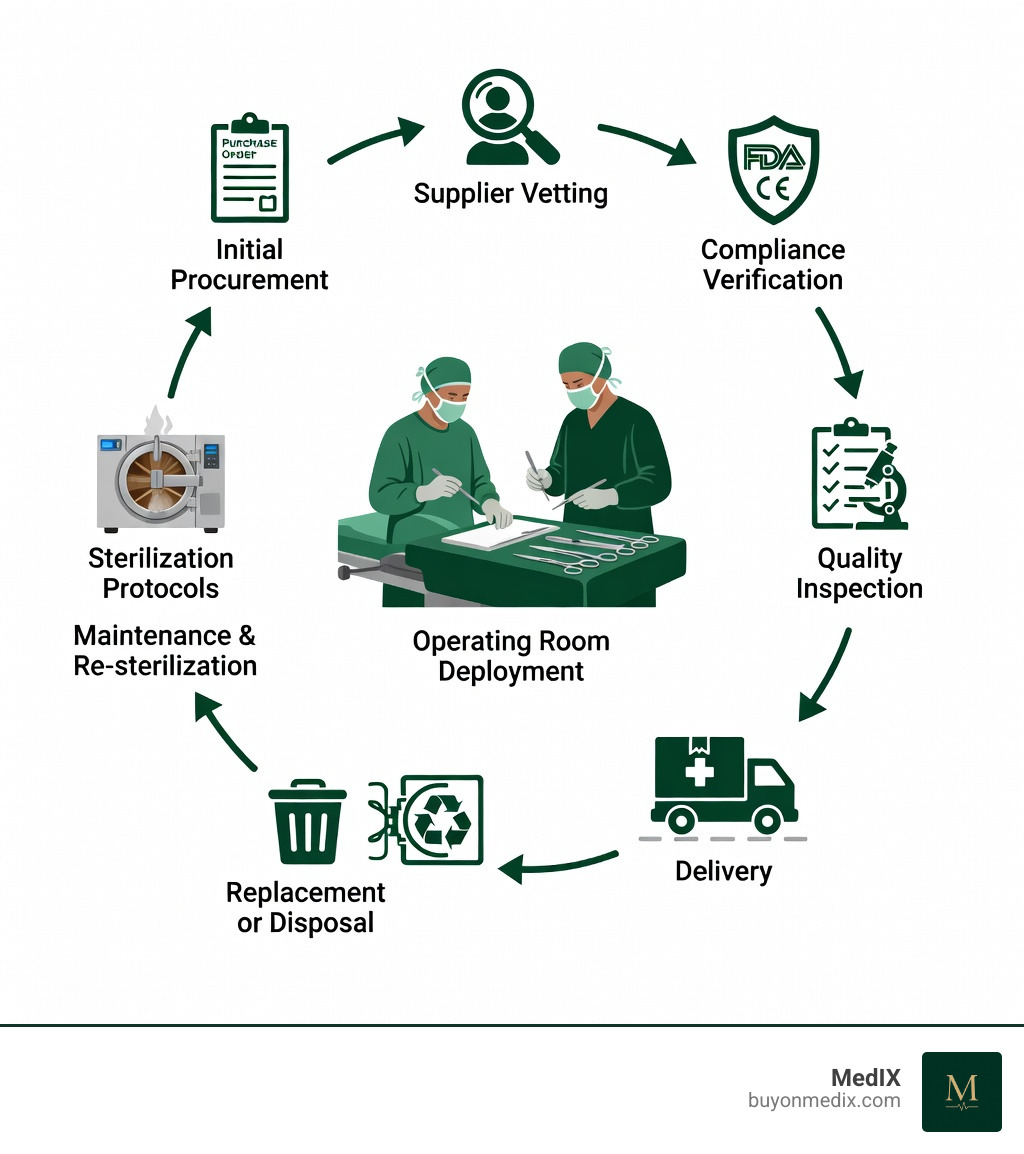
The global market for surgical tools is vast, but not all suppliers are created equal. When sourcing, we prioritize FDA compliance and verified manufacturing standards. This is where a Hospital Procurement Platform becomes invaluable.
At MedIX, we simplify this by vetting suppliers for you. We look for:
- Verification: Ensuring the supplier is a legitimate manufacturer with a track record.
- Logistics: Can they ship 50 sets to a clinic in South America or a hospital in Europe with reliable Medical Device Logistics?
- Transparency: No hidden fees or "mystery" steel grades.
For a deeper dive, read our Medical Equipment Sourcing: Complete Guide.
Frequently Asked Questions about Surgical Instrument Sets
What are the benefits of German stainless steel in surgical sets?
German stainless steel is the gold standard because of its high chromium content, which creates a protective layer that prevents rust. It is also "tempered" to a specific hardness, ensuring that scissors stay sharp and forceps don't bend out of shape during use.
Can surgical instrument sets be customized for specific facility needs?
Absolutely. Most high-quality manufacturers allow you to modify the contents of a tray. You can increase the number of hemostats, choose between straight or curved clamps, and even select specific handle lengths to suit your surgical team's preferences.
How do single-use instrument kits differ from reusable sets?
Single-use kits are designed for one-time use and are typically made of lower-cost stainless steel or reinforced plastics. They come pre-sterilized and are disposed of after the procedure. Reusable sets are heavy-duty, made of premium steel, and are designed to be cleaned and sterilized hundreds of times.
Conclusion
Navigating surgical instrument sets can feel like learning a new language—one filled with "Metz," "snaps," and "Wheaty" retractors. However, whether you are performing a complex spinal fusion or a routine tonsillectomy, the quality of your tools remains the foundation of your success.
At MedIX, we believe that procurement shouldn't be a headache. Our global B2B Medical Equipment Marketplace uses AI-matching and rigorous compliance checks to connect you with the world's best suppliers. We handle the logistics and the vetting, so you can focus on what matters most: patient care.
Ready to upgrade your surgical theater? Explore high-quality surgical solutions at MedIX and experience a transparent, efficient way to source the tools your team needs.

Expert voices
Insights from leaders transforming medical equipment procurement


More from our blog
Discover the latest trends in medical technology and procurement
Stay ahead of medical technology
Get the latest insights, research, and market updates delivered straight to your inbox
Ready to transform your procurement
Discover how MedIX can streamline your medical equipment sourcing process