Transforming medical equipment procurement globally

Why Modern Healthcare Organizations Need Hospital Procurement Platforms
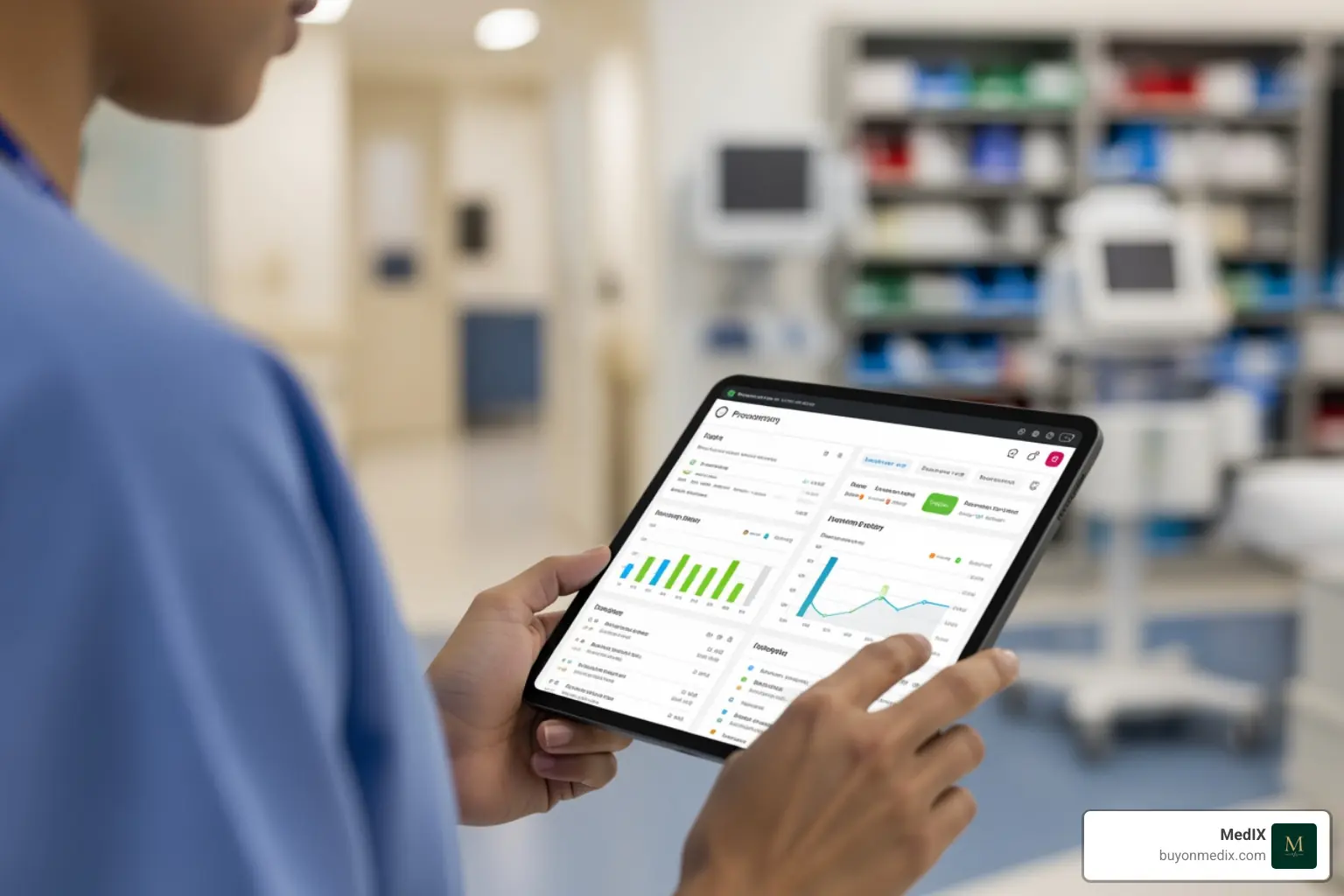
A hospital procurement platform is a digital solution that automates and centralizes the entire purchasing process for healthcare organizations—from requisition and supplier selection to order management, invoicing, and payment. These platforms provide real-time spend visibility, ensure contract compliance, integrate with existing hospital systems, and leverage data analytics to optimize costs while maintaining regulatory standards.
Key capabilities of hospital procurement platforms include:
- Automated procure-to-pay workflows that eliminate manual paperwork and reduce cycle times
- Centralized supplier and contract management with compliance tracking and automated audit trails
- Real-time spend analytics for budget control and data-driven purchasing decisions
- Integrated inventory management to prevent shortages, overages, and expired supplies
- Regulatory compliance features including HIPAA requirements and automated documentation
- AI-powered insights for demand forecasting, price optimization, and supplier risk assessment
The healthcare procurement landscape is undergoing a massive change. The global healthcare procurement software market is projected to surge from USD 7.9 billion in 2025 to USD 21.9 billion by 2035—a compound annual growth rate of 9.7%.
This explosive growth isn't happening by accident. It reflects a fundamental shift in how hospitals and healthcare systems source the medical equipment, supplies, and services that keep their operations running.
For decades, procurement teams have wrestled with spreadsheets, manual purchase orders, phone calls to suppliers, and paper-based approval processes. For example, some organizations have successfully compressed the time it takes to execute large, complex tenders from several months to just a few weeks by adopting modern procurement solutions.
The stakes are high. When procurement breaks down, it's not just about inefficiency or wasted budget—it directly impacts patient care. Supply shortages, pricing errors, compliance failures, and delayed orders can compromise the quality of healthcare delivery.
Modern hospital procurement platforms promise to solve these challenges through intelligent automation, centralized data, and strategic supplier connections. Organizations adopting these solutions report 40% time savings, 95% contract compliance, and 2-3x productivity improvements. Some achieve full return on investment in less than 12 months.
But with dozens of platforms on the market—each claiming to be the best solution—how do you evaluate which one delivers real value for your organization?
The Cracks in Traditional Hospital Procurement
Imagine a hospital where every syringe, every bandage, and every piece of specialized equipment is ordered through a labyrinth of paper forms, phone calls, and spreadsheets. This isn't a scene from a bygone era; it's the reality many healthcare organizations still face. Traditional procurement methods are often riddled with inefficiencies that create significant challenges.
We've seen these challenges manifest as a profound lack of spend visibility, making it nearly impossible to track where money is going or to ensure pricing consistency across different departments or facilities. Supply chain fragility becomes a constant worry, especially in a world prone to disruptions. The administrative burden on staff is immense, leading to burnout and diverting valuable time from patient care. All of this culminates in compliance risks and operational breakdowns that no healthcare provider can afford.

Why Manual Systems Fail
Manual systems, while seemingly familiar, are a recipe for disaster in a healthcare environment. We've often observed that they lead to:
- Human Error: From typos in order quantities to misplaced invoices, manual data entry is prone to mistakes that can be costly.
- Wasted Time: Staff spend countless hours on repetitive tasks like calling suppliers, chasing approvals, and reconciling discrepancies instead of focusing on strategic initiatives.
- Inaccurate Inventory: Without real-time tracking, inventory levels are often estimations, leading to overstocking (and potential expiration) or critical shortages.
- Delayed Orders: Paper trails move slowly. Approvals get lost, and orders are delayed, impacting patient care schedules and operational efficiency.
- Inability to Leverage Buying Power: Without consolidated data on purchasing patterns, organizations struggle to negotiate better deals or ensure they're paying the right price for contracted goods.
- Poor Supplier Relationships: Inconsistent communication and delayed payments can strain relationships with crucial suppliers, potentially jeopardizing future supply.
Mid-sized enterprises, in particular, are rapidly transitioning from these legacy tools to cloud-based systems, recognizing the inherent limitations of spreadsheets and paper-based workflows.
The High Cost of Inefficiency
The consequences of these inefficiencies are far-reaching. They translate directly into:
- Increased Operational Costs: Hidden costs pile up from wasted time, expedited shipping fees, storage of excess inventory, and the financial impact of human errors.
- Staff Burnout: The constant struggle with inefficient processes leads to frustration and exhaustion among procurement teams, contributing to high staff turnover.
- Negative Impact on Patient Care: When supplies are delayed or unavailable, patient procedures can be postponed or compromised, directly affecting health outcomes.
- Risk of Supply Shortages: As we've learned from recent global events, a fragile supply chain can quickly lead to critical shortages of essential medical supplies, endangering lives.
- Difficulty in Budget Forecasting: Without clear spend visibility and accurate historical data, forecasting budgets becomes a guessing game, hindering strategic financial planning.
The imperative to deliver cost savings is at an all-time high for healthcare leaders, but doing so at any cost is no longer a sustainable approach for healthcare supply chains. On-time product fulfillment is as critical as ever, ensuring products reach the patient's bedside at the right price and according to vendor agreements.
The Digital Prescription: How a Modern Hospital Procurement Platform Solves These Challenges
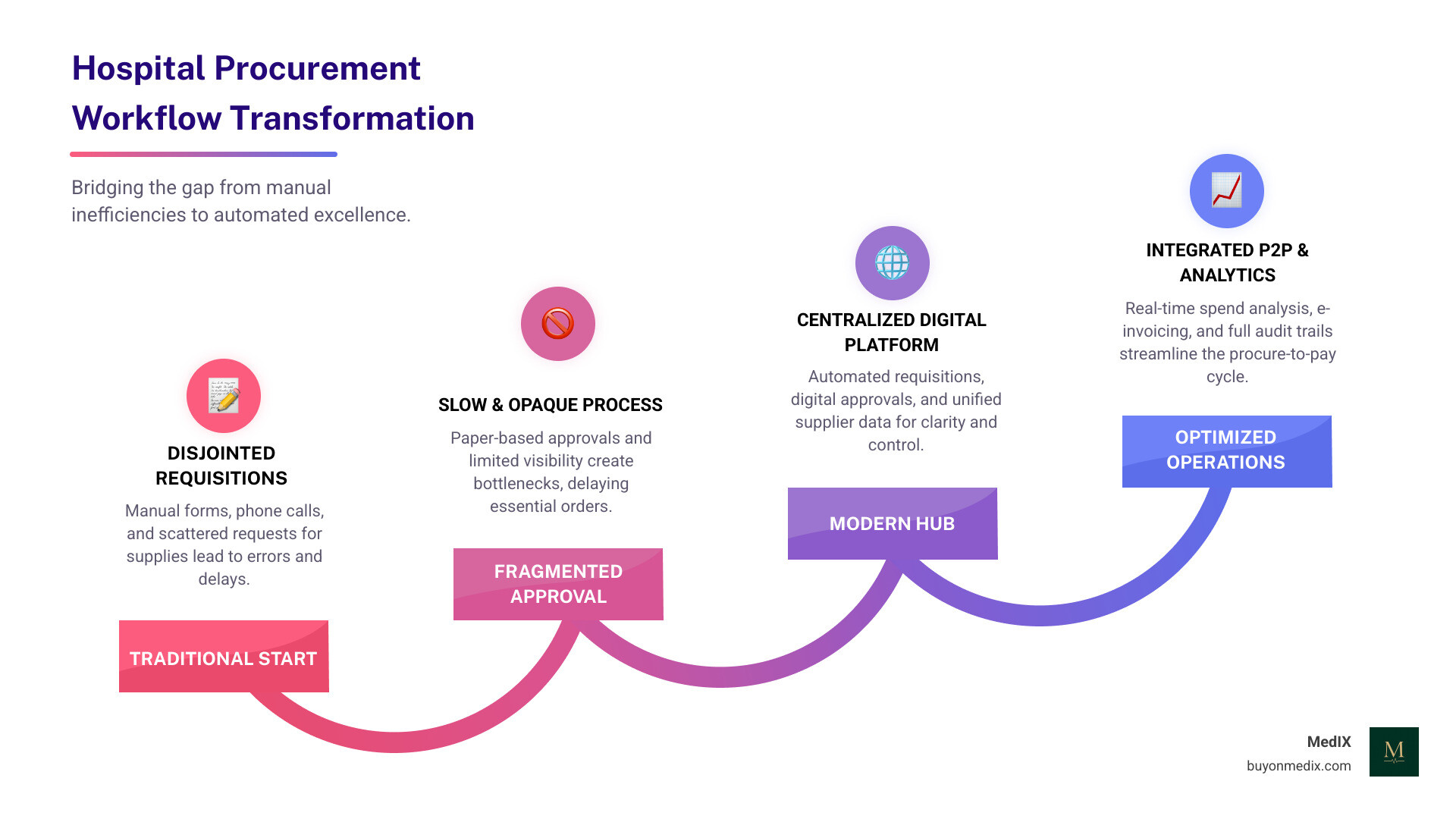
Thankfully, the digital age offers a powerful antidote to these traditional procurement woes. A modern hospital procurement platform acts as a digital prescription, streamlining operations, enhancing visibility, and fostering resilience. These platforms are designed to address the unique complexities of healthcare, replacing chaos with order through workflow automation, centralized purchasing, and robust procure-to-pay (P2P) processes. This leads directly to increased efficiency and tighter cost control, allowing healthcare providers to focus on what truly matters: patient care.

Centralizing and Automating the Procure-to-Pay Cycle
One of the most significant changes brought by a modern hospital procurement platform is the automation of the entire procure-to-pay cycle. This end-to-end automation replaces cumbersome paper workflows, enhancing accountability and dramatically reducing costs.
Imagine processing over 1,500 purchase orders per full-time equivalent (FTE) per month – a feat nearly impossible with manual methods but achievable with automated systems. We’ve seen organizations achieve a remarkable 50% increase in operating efficiency and a return on investment (ROI) within less than 12 months. This is thanks to features like:
- Purchase Order Automation: Digital requisitions and automated approvals speed up the ordering process, ensuring timely delivery of critical supplies.
- E-invoicing: Electronic invoicing eliminates paper, reduces processing errors, and accelerates payment cycles, improving vendor relationships.
- AP Automation: Accounts Payable automation streamlines the entire invoice handling process, from receipt to payment, reducing manual effort and preventing costly mistakes.
Integrated procure-to-pay solutions focus on this, helping minimize pricing mistakes and unconfirmed purchase orders by working seamlessly with manufacturers, GPOs, and distributors.
Gaining Unprecedented Spend Visibility and Control
A major pain point in traditional procurement is the lack of clear insight into spending. Modern platforms fundamentally change this by providing real-time analytics and comprehensive spend visibility. This allows for:
- Real-time Analytics: Instant access to data on purchases, supplier performance, and spending patterns empowers better, faster decision-making.
- Spend-to-Budget Accountability: Clear oversight ensures that spending aligns with budgets, identifying potential overruns before they become problems.
- Contract Management: Centralized contract repositories and automated alerts ensure that hospitals adhere to negotiated terms, preventing off-contract spending. We've seen platforms help achieve 95% contract compliance, a significant boost to cost savings.
- Data-Driven Purchasing Decisions: With robust data at their fingertips, procurement teams can identify opportunities for cost savings, optimize supplier selection, and make informed choices that benefit the entire organization.
User needs in healthcare procurement software consistently emphasize real-time analytics, spend visibility, risk management, and compliance support. This level of control is vital for strategic sourcing, as detailed by organizations like Sourcing and Procurement in Global Health Programs - PFSCM, which highlight the importance of structured processes in achieving tangible reductions in procurement spend.
Building a Resilient and Integrated Supply Chain
The healthcare supply chain is a delicate ecosystem. Disruptions can have severe consequences. A modern hospital procurement platform is instrumental in building a resilient and integrated supply chain capable of withstanding challenges.
- Strategic Supplier Connections: Platforms like ours, at MedIX, power strategic connections. They help identify and manage a diverse network of verified suppliers, ensuring continuity of supply even during crises.
- Inventory Management: Precise, real-time inventory tracking with quality guardrail features helps eliminate the risk of material shortages, overages, and the added cost of expired or missing goods. Facilities and departments can be properly stocked with the right products at the right time.
- Risk Mitigation: By monitoring supplier performance and market trends, platforms can flag potential risks, allowing hospitals to proactively adjust their sourcing strategies.
- Real-time Tracking: From order placement to delivery, real-time tracking provides complete transparency, minimizing delays and improving logistics.
- Preventing Shortages and Overages: Automated reordering based on consumption data and predictive analytics ensures optimal stock levels, balancing availability with cost efficiency.
Intelligent automation can truly replace supply chain fragility with resilience. For more insights into how we connect hospitals with certified medical equipment suppliers and simplify procurement through AI-matching, rigorous compliance checks, and reliable global logistics, explore More info about our services.
Leveraging Advanced Technology in Healthcare Procurement
The digital change sweeping through healthcare has brought smart solutions to the forefront of procurement. Moving beyond basic automation, advanced technologies are now empowering strategic sourcing and open uping unprecedented efficiencies. The goal is no longer just to buy goods, but to buy smart, leveraging every piece of data and every technological advantage available.
The Role of AI and Data Analytics in a hospital procurement platform
Artificial Intelligence (AI) and robust data analytics are no longer futuristic concepts; they are essential components of a cutting-edge hospital procurement platform. We've seen how these technologies transform procurement from a reactive, administrative function into a strategic, proactive one.
- AI-powered Forecasting: AI can analyze historical purchasing data, seasonal trends, and even external factors like public health advisories to predict demand with remarkable accuracy. This helps prevent both costly overstocking and dangerous shortages.
- Spend Analysis: Beyond simply tracking expenditure, AI-driven spend analysis identifies patterns, highlights areas of inefficiency, and uncovers opportunities for cost savings. This leads to better budget forecasting and optimization.
- Supplier Risk Scoring: AI algorithms can evaluate supplier performance, financial stability, and geopolitical risks, providing a comprehensive risk score that informs sourcing decisions and builds a more resilient supply chain.
- Data-driven Decisions: With real-time, AI-processed data, procurement teams can make informed decisions quickly, whether it's negotiating better contract terms or identifying alternative suppliers.
- Cost Optimization: AI improves contract intelligence, allowing for automated negotiation agents that can improve contract terms. This translates directly into tangible reductions in procurement spend, especially for high-cost medical devices and equipment.
- Contract Intelligence: AI can analyze vast amounts of contract data, flagging clauses, identifying discrepancies, and ensuring compliance, making contract management more efficient and less prone to human error.
For instance, leading platforms emphasize the importance of clinical data management and AI-powered supply chains to optimize spend and maximize quality. The integration of AI truly transforms procurement into a more strategic function.
Ensuring Regulatory Compliance and Data Security
In healthcare, compliance and data security are non-negotiable. A hospital procurement platform must be built with these principles at its core. We understand that handling sensitive medical supplies and financial data requires the highest level of diligence.
- Automated Audit Trails: Modern platforms automatically record every transaction, approval, and communication, creating an immutable audit trail. This is crucial for demonstrating compliance with internal policies and external regulations. Automated audit trails are key to ensuring compliance with industry regulations.
- HIPAA Compliance: For healthcare organizations worldwide, adherence to data privacy regulations like HIPAA (Health Insurance Portability and Accountability Act) is paramount. Robust platforms are designed to protect patient health information and other sensitive data.
- SOC 2 Compliance: Security Organization Controls (SOC 2) Type 2 compliance provides independent assurance that a platform's systems are designed to keep sensitive data secure. This covers security, availability, processing integrity, confidentiality, and privacy.
- Data Privacy: Beyond specific regulations, platforms employ advanced encryption, access controls, and data anonymization techniques to ensure the privacy of all procurement-related data.
- Transparent Transactions: Our own MedIX platform prioritizes transparent transactions, ensuring that all parties have clear visibility into the procurement process, from product specifications to pricing and delivery. This fosters trust and reduces the potential for disputes.
- GPO Neutrality: Many platforms are designed to be GPO (Group Purchasing Organization) neutral, meaning they can integrate with and leverage contracts from various GPOs, giving hospitals flexibility and choice in their purchasing strategies.
Regulatory compliance and quality assurance are significant drivers for software adoption in healthcare procurement, and rightly so. These platforms provide the necessary infrastructure to meet these rigorous demands.
Choosing the Right Platform for Your Needs
Selecting the ideal hospital procurement platform isn't a one-size-fits-all decision. It's a strategic investment that requires careful consideration of your organization's unique needs, size, and future goals. We recommend starting with a thorough needs assessment to understand your current pain points and desired outcomes. For example, a small clinic might prioritize ease of use and basic automation, while a large hospital network will likely require advanced analytics and deep integration capabilities. Scalability is also key, as your platform should grow with your organization.
Here's a simplified comparison to illustrate the difference between basic and advanced platforms:
| Feature | Basic Platform | Advanced Platform |
|---|---|---|
| PO Management | Manual entry, simple approval workflows | Automated, multi-level approvals, customizable forms |
| Spend Analytics | Basic reporting on past purchases | Real-time, granular spend visibility, trend analysis |
| AI Forecasting | Limited or no predictive capabilities | Demand forecasting, price optimization, supplier risk |
| Compliance Automation | Manual checks, basic contract storage | Automated contract compliance, audit trails, regulatory checks |
| Inventory Management | Simple stock tracking | Real-time, reorder point alerts, demand-driven |
| Supplier Management | Basic contact info, manual vetting | Performance scoring, relationship management, diversity tracking |
| ERP Integration | Limited or no integration | Seamless, bidirectional integration with major ERPs/EHRs |
Key Evaluation Criteria for a hospital procurement platform
When we evaluate a potential hospital procurement platform, we look beyond the flashy features and focus on fundamental criteria that ensure long-term value:
- Integration Capabilities (EHR/ERP): A platform's ability to seamlessly integrate with your existing Electronic Health Record (EHR) and Enterprise Resource Planning (ERP) systems is critical. This ensures data consistency, reduces manual entry, and provides a holistic view of operations.
- User Experience (UX): Given the high staff turnover in healthcare, a user-friendly interface is paramount. An intuitive design reduces training costs and encourages rapid adoption, freeing up staff to focus on patient care.
- Vendor Support and Reputation: Look for vendors with a proven track record in healthcare and strong customer support. Reliable support during implementation and ongoing use is invaluable.
- Total Cost of Ownership (TCO): Consider not just the upfront licensing costs, but also implementation fees, training, maintenance, and potential savings. A robust platform should offer a clear return on investment.
- Data Security Protocols: Reiterate the importance of robust security measures, including encryption, access controls, and compliance with global data protection standards (e.g., HIPAA, SOC 2).
Emerging Trends in Healthcare Procurement Technology
The landscape of healthcare procurement is continuously evolving. We're seeing exciting trends that promise even greater efficiency and strategic value:
- Autonomous Commerce: This is the future, where systems intelligently automate decisions across the supply chain, from sourcing to payment, with minimal human intervention. To assess your organization's readiness, consider taking an Autonomous Commerce Maturity Assessment.
- Sustainability (ESG): Environmental, Social, and Governance (ESG) considerations are increasingly influencing procurement strategies. Platforms are now helping hospitals source from environmentally responsible suppliers and track their carbon footprint.
- Supplier Diversity: Promoting supplier diversity ensures a broader, more resilient supply base and supports local economies. Platforms facilitate this by tracking and reporting on diverse supplier engagement.
- Mobile Accessibility: With healthcare professionals constantly on the go, mobile access to procurement functions allows for approvals, order tracking, and inventory checks from anywhere, at any time.
- End-to-End Platform Integration: The move is towards fully integrated platforms that cover the entire source-to-pay spectrum, providing a single source of truth and eliminating data silos.
These trends highlight a shift towards more intelligent, responsible, and interconnected procurement ecosystems, all designed to improve the efficiency and strategic impact of a hospital procurement platform.
Frequently Asked Questions about Hospital Procurement Platforms
We often encounter common questions from healthcare leaders exploring the benefits of a modern hospital procurement platform. Let's address some of the most pressing ones.
How quickly can a hospital see a return on investment (ROI)?
One of the most encouraging aspects of investing in a robust hospital procurement platform is the speed at which organizations can realize a return. Many organizations report seeing a positive ROI and payback in less than 12 months. This rapid return is driven by several factors:
- Significant Cost Savings: Through better spend visibility, optimized supplier selection, and reduced pricing errors, hospitals can achieve tangible reductions in procurement spend.
- Increased Contract Compliance: Automated systems ensure adherence to negotiated contracts, preventing off-contract spending and maximizing savings. We've seen compliance rates jump to 95% with these platforms.
- 2-3x Improvement in Productivity: By automating manual tasks, procurement teams can process orders much faster—often more than 1,500 purchase orders per FTE per month—freeing up valuable time for strategic activities.
These combined efficiencies quickly offset the initial investment, making a strong business case for adoption.
How do these platforms improve vendor and contract management?
A modern hospital procurement platform revolutionizes how hospitals manage their vendors and contracts. They move away from scattered files and manual tracking to a centralized, dynamic system:
- Centralized Repository: All supplier information, contracts, and communication history are stored in one easily accessible location, eliminating data silos.
- Automated Compliance Checks: Platforms can automatically flag contract expiry dates, ensure adherence to pricing tiers, and verify supplier certifications, significantly reducing compliance risks.
- Performance Analytics: Detailed analytics track supplier performance against key metrics like delivery times, quality, and responsiveness, fostering accountability and identifying areas for improvement.
- Streamlined Communication: Integrated communication tools facilitate seamless interaction with vendors, improving transparency and responsiveness.
- Better Pricing and Stronger Partnerships: With clear data and efficient processes, hospitals can negotiate more favorable terms and build more collaborative, strategic relationships with their suppliers.
Can smaller clinics benefit from these platforms?
Absolutely! While larger hospital networks might have more complex needs, modern hospital procurement platform solutions are highly scalable and beneficial for clinics and smaller healthcare facilities too.
- Cloud-based Solutions: The prevalence of cloud-based platforms means lower upfront investment, as there's no need for extensive on-premise hardware or IT infrastructure. This makes them more accessible for smaller budgets.
- Subscription-based Models: Many platforms offer flexible subscription models, allowing clinics to choose packages that fit their specific needs and scale up as they grow.
- Focus on Core Efficiencies: Even smaller clinics struggle with manual processes, inventory management, and ensuring they get the best prices. These platforms address those core inefficiencies directly, saving valuable time and resources that can be redirected to patient care.
- User-friendly Interfaces: Many platforms prioritize intuitive user experiences, meaning less training is required, which is ideal for smaller teams with limited dedicated procurement staff.
The benefits of automation, spend visibility, and compliance are universal, regardless of an organization's size.
Conclusion
The journey from antiquated, paper-laden processes to a sophisticated hospital procurement platform is more than just an upgrade; it's a strategic investment in the future of healthcare. We've seen how these platforms dismantle the primary challenges of traditional procurement—from fragmented data and pricing inconsistencies to supply chain fragility and compliance risks.
By embracing the digital prescription, healthcare organizations open up unprecedented levels of efficiency, cost control, and resilience. The integration of AI and data analytics transforms procurement into a strategic powerhouse, driving smarter decisions and optimizing every dollar spent. Crucially, these platforms also fortify regulatory compliance and data security, safeguarding sensitive information and ensuring operations meet the highest standards.
The impact of a modern hospital procurement platform extends far beyond the bottom line. It frees up valuable time for medical staff, reduces administrative burdens, and ensures that critical supplies are always available when needed. This directly translates into a positive impact on patient outcomes and overall healthcare delivery.
At MedIX, we believe that the future of healthcare operations is built on smart connections, transparency, and efficiency. By helping hospitals connect with verified suppliers and streamline their procurement processes, we contribute to a healthcare system that is more resilient, more cost-effective, and ultimately, better equipped to provide world-class care.
We encourage you to consider how a robust hospital procurement platform can transform your operations. The smart buy today is an investment in a healthier tomorrow.

Expert voices
Insights from leaders transforming medical equipment procurement


More from our blog
Discover the latest trends in medical technology and procurement
Stay ahead of medical technology
Get the latest insights, research, and market updates delivered straight to your inbox
Ready to transform your procurement
Discover how MedIX can streamline your medical equipment sourcing process