Transforming medical equipment procurement globally

Why the International Medical Equipment Collaborative Matters for Global Healthcare
The international medical equipment collaborative represents a powerful solution to a persistent global healthcare challenge: how to get life-saving medical equipment from regions with surplus to communities desperately in need.
Quick Overview: International Medical Equipment Collaborative (IMEC)
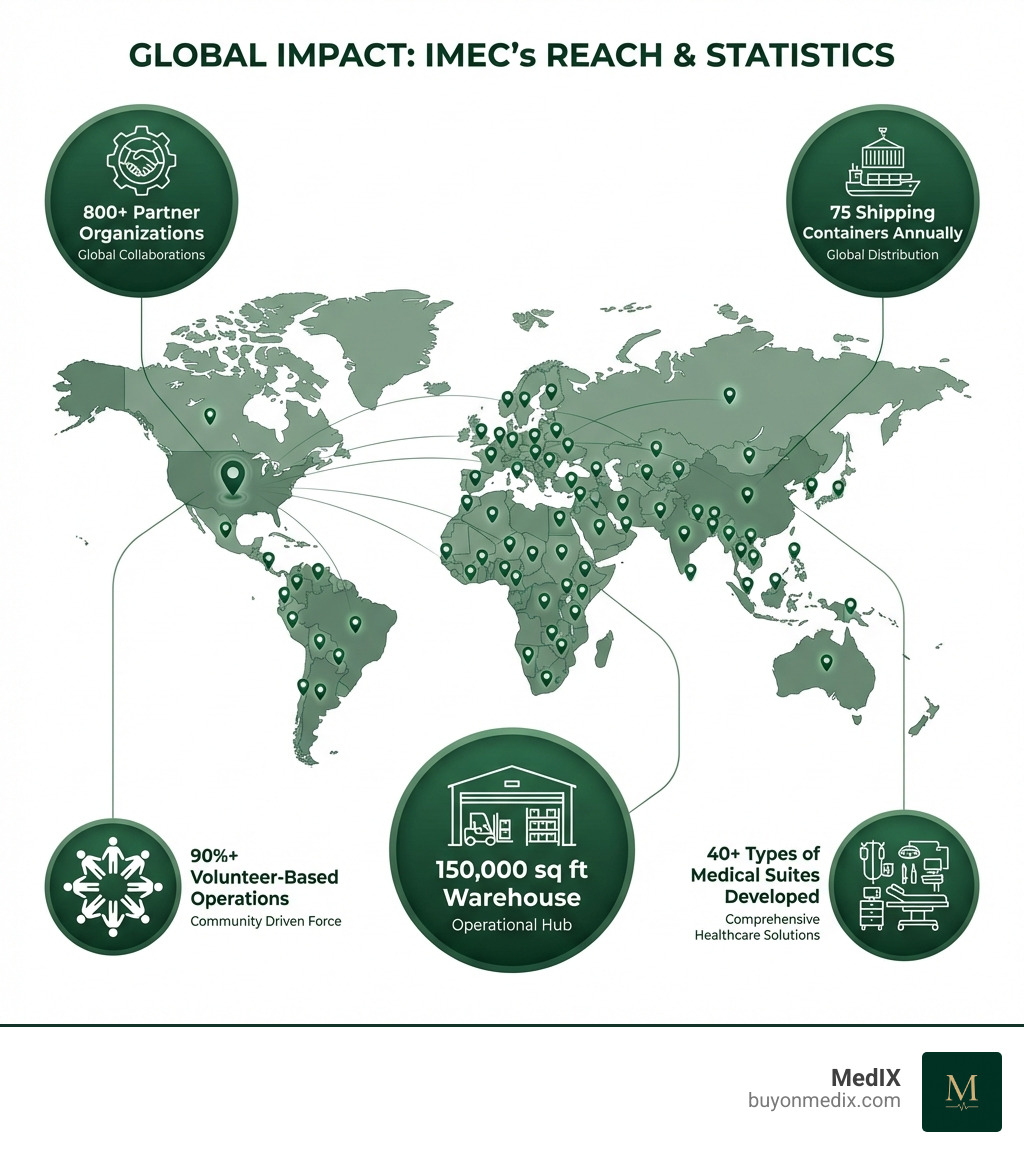
| Founded | 1995 by Thomas Keefe || Mission | Transform impoverished communities through equipment solutions for healthcare, agriculture, and education || Global Reach | 90+ countries served, 800+ partner organizations || Scale | 75 containers shipped annually, 150,000 sq ft warehouse || Workforce | 90%+ volunteer-based, 175+ volunteers per project || Programs | Medical Suites, Family Farm Programs, Classroom Suites, Disabled Orphans Support || Registration | 501(c)(3) non-profit, USAID-registered PVO |
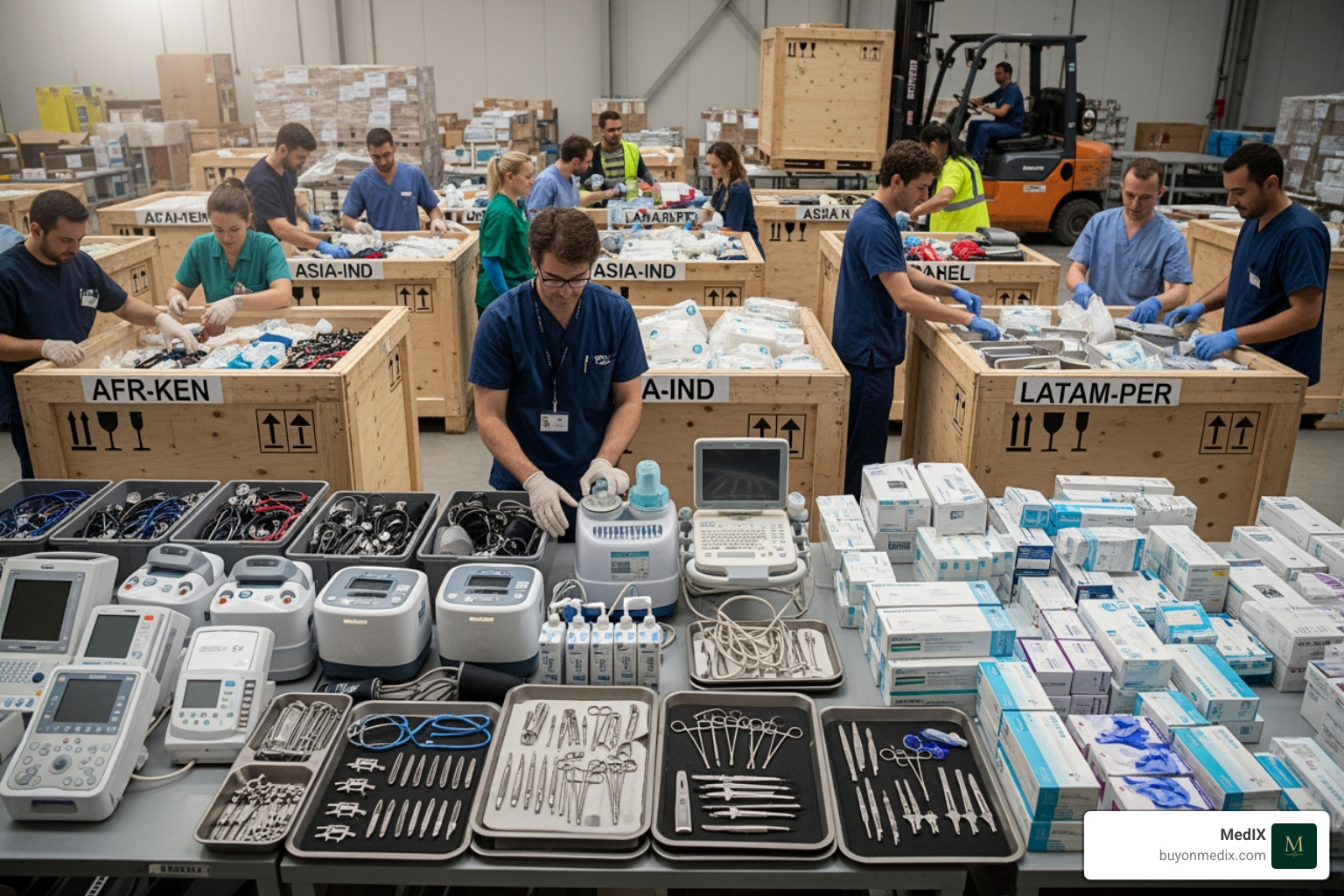
Every year, thousands of hospitals across the United States discard fully functional medical equipment. Meanwhile, clinics in developing countries struggle to provide basic healthcare without essential tools. IMEC bridges this gap through a systematic approach: collecting surplus equipment, preparing standardized "suites" of supplies, and shipping them to verified partners worldwide.
What started in founder Tom Keefe's garage in 1995 has grown into a sophisticated operation. After visiting India and witnessing the stark contrast between surplus equipment in U.S. hospitals and critical shortages abroad, Keefe established a model that has since delivered over $1.6 million worth of equipment annually through volunteer labor alone.
The organization's impact extends beyond medical equipment. Through specialized programs in agriculture and education, IMEC addresses holistic community development—providing small farmers with irrigation tools and schools with classroom supplies alongside hospital equipment.
For procurement managers and healthcare institutions navigating international medical equipment sourcing, understanding IMEC's collaborative model offers valuable insights into verified supplier networks, compliance standards, and the logistics of global medical equipment distribution.
The Heart of the Mission: How IMEC Was Born
The story of the International Medical Equipment Collaborative (IMEC) is one born from a simple yet profound observation: the stark contrast between abundance and scarcity. Our founder, Tom Keefe, was instrumental in establishing IMEC in 1995 after a transformative visit to India. There, he witnessed hospitals in desperate need of even the most basic medical tools, while back home, perfectly usable equipment was being discarded by U.S. hospitals due to upgrades or downsizing. This eye-opening experience sparked the idea that would become IMEC: to bridge this critical gap by collecting surplus medical equipment and channeling it to those who needed it most.
From its humble beginnings in Keefe's garage, IMEC's mission has always been clear: to transform impoverished communities around the world by providing essential equipment solutions for healthcare, agriculture, and education projects. Our primary goal is to empower doctors, nurses, and other professionals with the tools they need to improve the delivery of vital services, fostering self-sufficiency and sustainable development.
This mission is underpinned by a set of guiding principles and core values that steer every action we take:
- Serve all: We serve all who need assistance, without regard for religion, ethnicity, or political affiliation. Our commitment is to humanity, pure and simple.
- Respect for people and planet: We perform our tasks with deep respect for those we serve and those who generously contribute their time and resources. We also operate our programs with respect for the planet, striving to reduce environmental waste by repurposing valuable equipment.
- Path for volunteers: IMEC is fundamentally a volunteer-based organization, and we cherish the spirit and dedication of every individual who joins our cause. We aim to provide a meaningful path for volunteers to make a tangible difference.
- Promote cooperation: We foster a spirit of trust and cooperation among all our partner organizations, believing that collective effort yields the greatest impact.
- Focus on mission: Regardless of circumstances, we remain steadfastly focused and true to our core mission of changing communities through equipment solutions.
These principles ensure that our work is not just about moving equipment, but about building dignity, capacity, and hope. To learn more about our foundational beliefs, you can visit our archived "About Us" page: "About Us | IMEC".
From Donation to Destination: The IMEC Process
Our journey at IMEC, from receiving a donation to seeing it make a difference in a remote clinic, is a carefully planned and executed process. We follow a comprehensive 5-step plan to ensure that every piece of equipment we handle is appropriate, functional, and reaches its intended destination efficiently. This systematic approach is crucial in the complex world of Healthcare Supply Chain Management.
Needs Assessment and Equipment Acquisition
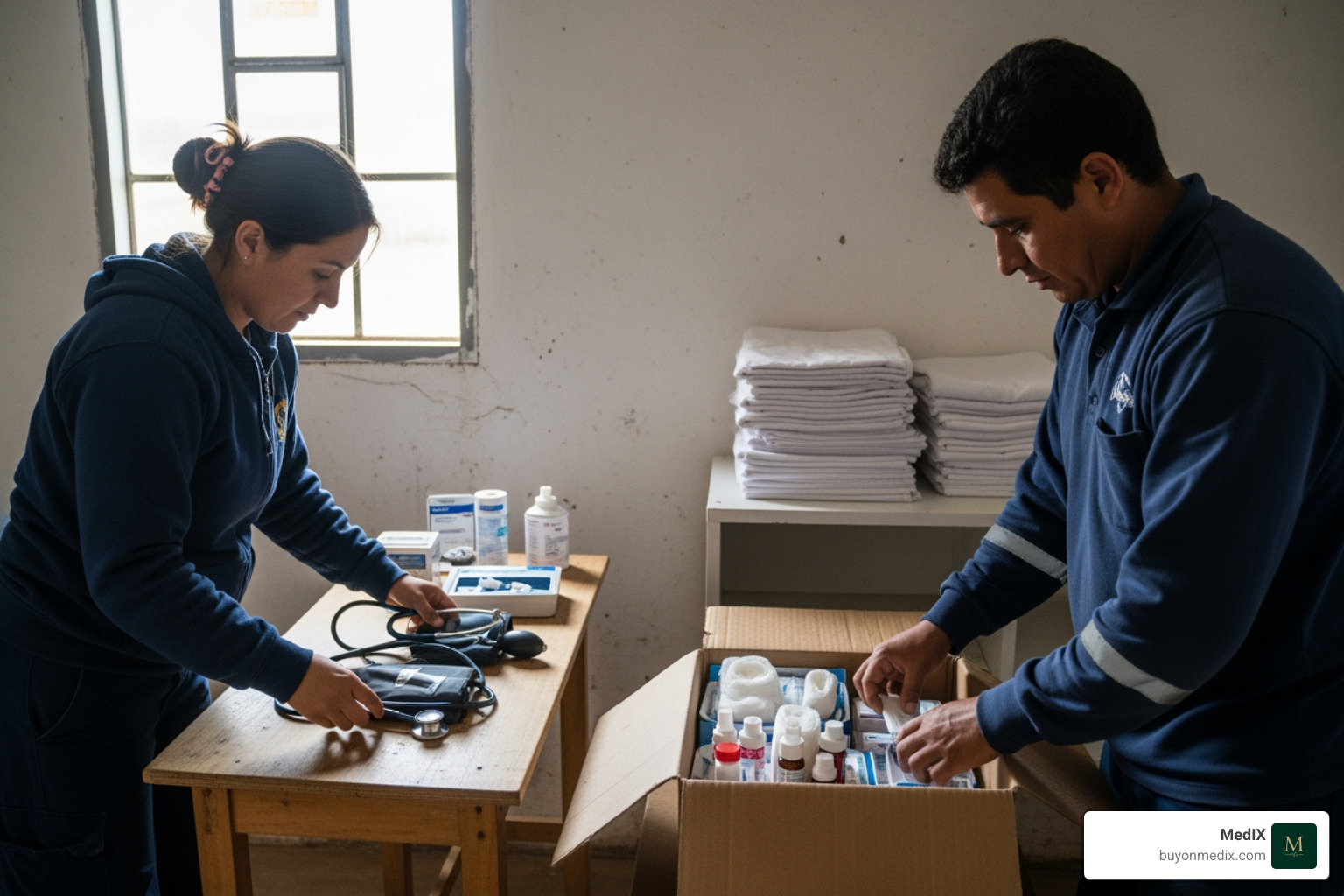
The first critical step in our process is a thorough Assessment. We don't just send equipment; we send what's requested and truly needed. This involves close collaboration with our local partners in recipient countries, including humanitarian organizations, governments, and faith-based groups. They conduct detailed needs assessments at hospitals and clinics, identifying specific equipment requirements. This ensures that the solutions we provide are not only appropriate but also sustainable within the local context.
Once needs are identified, we move to Acquisition. IMEC primarily sources functional surplus Medical Equipment and supplies from U.S. hospitals and medical equipment companies. Many hospitals, when upgrading or downsizing, discard perfectly good devices. Likewise, manufacturers may have unsold stock of discontinued models. We also sometimes purchase equipment directly from manufacturers, often at a significant discount, to fill specific gaps identified in the needs assessments. This strategic sourcing allows us to maximize the value of every donation and ensure that the equipment we provide is clinically safe, adapted to local needs, user-acceptable, and maintainable within the community's resources.
The 'Suite' Model: A Unique Approach to an international medical equipment collaborative
One of the most innovative aspects of our work at IMEC is our "Suite" model. Instead of sending individual items, we package equipment into standardized, all-in-one solutions custom for specific functions or departments. This ensures that facilities receive everything they need to be fully operational for a particular service, rather than just isolated pieces of equipment. We've developed over 40 types of these specialized Suites.
Our Medical Suites are designed to equip various hospital departments or clinical settings. For example, an Exam Room Suite might contain an examination table, diagnostic tools, and essential supplies. We also develop specialized Maternal Infant Pediatric (MIP) Suites, which can include everything needed for a delivery room, nursery, or pediatric examination area, supporting crucial maternal and child health services.
Beyond healthcare, our collaborative efforts extend to other vital areas:
- Family Farm Suites: To combat food insecurity, these suites provide all the necessary tools—from hoes and shovels to irrigation equipment—for a small farmer to start and maintain their farm, promoting self-sustainability and reducing world hunger.
- Classroom Suites: These equip educational facilities with furniture, blackboards, teaching aids, and other essential supplies to create conducive learning environments.
- Vocational Training Suites: Designed to support skill development, these suites provide tools and equipment for various trades, empowering individuals with practical skills for economic independence.
This modular approach simplifies logistics, reduces waste, and dramatically increases the immediate impact of our donations.
Preparation and Global Logistics
The next crucial step is Preparation. This is where our incredible volunteers shine. Over 90 percent of our work is completed by volunteers, including many retired engineers and technicians. These skilled individuals carefully clean, repair, and test every piece of donated equipment to ensure it is fully functional and safe for use. This hands-on expertise guarantees the usability and appropriateness of the equipment we provide.
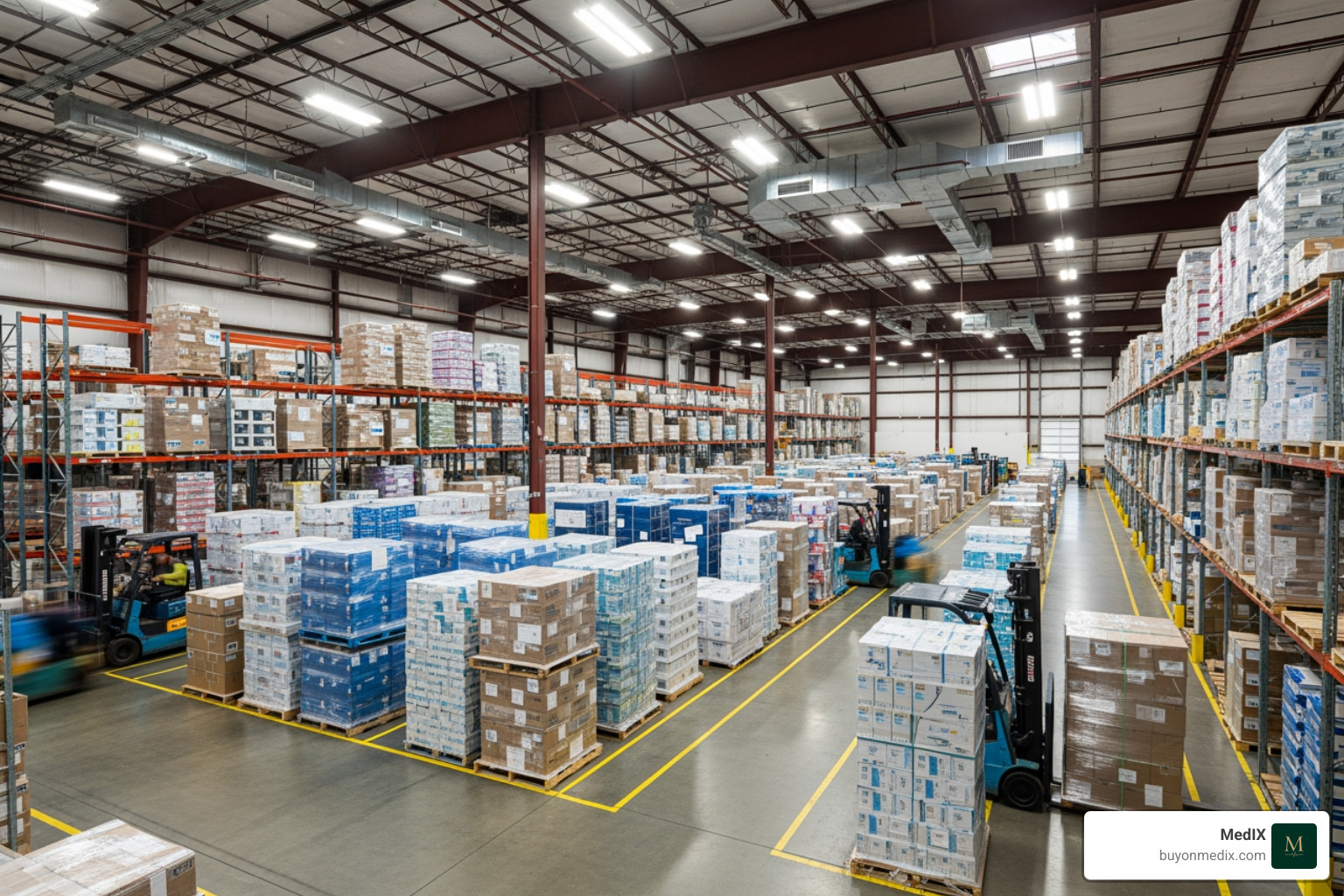
After preparation, comes Packaging. The refurbished equipment is carefully packed onto pallets, forming complete Suites ready for shipment. A typical 40-foot shipping container can hold approximately 20 pallets, meaning 16 to 20 complete medical suites can be shipped in a single container. For larger projects, like equipping an entire hospital, we might ship as many as nine containers, filled with everything from administrative office furnishings to surgery equipment.
Finally, the Shipping phase sees these containers start on their global journey. We currently ship 75 containers to 75 countries yearly, a testament to our robust logistical network. We work closely with "shepherding organizations"—our humanitarian partners on the ground—who handle customs clearance and ensure the smooth delivery of the equipment to the recipient facilities. This collaborative model ensures that our aid reaches its destination effectively, overcoming the inherent complexities of international logistics.
A Global Impact: The International Medical Equipment Collaborative in Action
The ripple effect of the international medical equipment collaborative initiated by IMEC is truly global. Since our founding, we have worked in over 90 countries around the world, partnered with more than 800 organizations, and served impoverished communities across continents. Our reach extends to regions such as Africa, Asia, Central and South America, Eastern Europe, and the former Soviet Republics. This extensive network allows us to make a profound impact where it's needed most. You can read more about our volunteers saving lives around the world here: "Volunteers Saving Lives Around the World".
Diverse Programs for Holistic Development
Our commitment to changing communities goes beyond simply providing medical equipment. We believe in a holistic approach, addressing various facets of community well-being through diverse programs:
- Healthcare Program: This is our cornerstone, providing doctors and nurses with essential tools to improve healthcare delivery. Through our "Center of Health Initiative," we aim to retrofit entire empty hospitals with basic healthcare services, creating fully functional medical facilities. We've developed over 40 types of Medical Suites, equipping everything from exam rooms to entire hospital departments. In 2011 alone, we collaborated with 22 humanitarian partners to complete 76 projects in 18 countries, directly improving healthcare access for countless individuals.
- Agriculture Program (Family Farm Program): Recognizing that food security is fundamental to health, this program aims to decrease world hunger. We provide "Farm Suites" with all the necessary tools—from clearing land to planting and irrigation—to support small family farms in developing countries. This empowers communities to grow their own food, fostering self-sustainability and economic stability.
- Education Program: Education is a powerful catalyst for change. Our Classroom Suites provide essential materials like desks, chairs, blackboards, and teaching aids, creating environments conducive to learning. We also offer Vocational Training Suites to equip individuals with practical skills.
- Disabled Orphans Program: We are deeply committed to addressing the needs of vulnerable populations. Disabled orphans in developing countries often face profound challenges and lack adequate support. Our program provides specialized equipment and materials to caregivers and teachers working with these children, ensuring they receive the care, therapy, and educational opportunities they deserve. This demonstrates our dedication to serving all, especially those most marginalized.
The Power of Partnership and Volunteers
At the heart of IMEC's success is the incredible power of partnership and volunteerism. We collaborate extensively with a diverse array of organizations, including humanitarian partners, governments, and faith-based groups like Rotary International. These partnerships are vital for needs assessment, logistics, and on-the-ground distribution, ensuring that our aid is effectively integrated into local systems.
Our volunteer base is truly our lifeblood. An astounding over 90 percent of our work is completed by volunteers. These dedicated individuals contribute their time and expertise to every stage of our process, from equipment assessment and repair to packaging and administrative tasks. Each IMEC project typically involves over 175 volunteers, demonstrating the massive collective effort behind our operations. Between October 1996 and October 1997 alone, we relied on 10,000 hours of volunteer time from individuals and groups such as churches and service organizations. This volunteer-driven model allows us to keep our operational costs low and maximize the impact of every donation.
Measuring Impact with the EPHAS Model
To truly understand and showcase the profound difference we make, IMEC uses the EPHAS (Every Person Has a Story) model. This innovative approach allows our local beneficiaries to self-document their realities and the tangible impact of IMEC's materials. Instead of relying solely on external reports, EPHAS empowers individuals and communities to share their own stories, revealing their challenges, triumphs, and how the equipment we provide transforms their lives. This model fosters community empowerment, builds trust, and provides a powerful, authentic narrative of our project impact to the world. It ensures that the voices of those we serve are heard, making our collaborative efforts even more meaningful.
Frequently Asked Questions about IMEC
What are the main challenges IMEC faces in its operations?
Operating an international medical equipment collaborative on a global scale comes with its unique set of challenges:
- Logistics Complexity: Navigating international shipping, customs regulations, and transportation infrastructure in diverse countries can be incredibly complex. Each country has its own rules, and ensuring timely and cost-effective delivery requires constant adaptation and strong local partnerships.
- Customs Clearance: This is often a significant hurdle, involving extensive paperwork, tariffs, and varying regulations that can delay shipments and incur unexpected costs. Our reliance on established "shepherding organizations" helps mitigate some of these issues.
- Securing Funding: As a non-profit, IMEC relies on donations and grants to cover operational costs, including warehousing, shipping, and administrative expenses. Sustaining this funding stream is a continuous effort.
- Ensuring Long-Term Equipment Maintenance: Providing equipment is only half the battle. Ensuring it remains functional for years requires local capacity for maintenance and repair, which is often lacking in underserved areas. We strive to provide appropriate, easy-to-maintain equipment and encourage local training.
- Sourcing Specific Requested Items: While we receive a large volume of general medical equipment, sometimes specific, highly technical items are requested. Sourcing these particular pieces, especially in good condition, can be challenging.
How can individuals or organizations support the international medical equipment collaborative?
Supporting IMEC's vital mission is possible in several impactful ways:
- Volunteer Time: As a volunteer-based organization, we welcome individuals with a variety of skills, especially technical expertise (e.g., retired engineers, biomedical technicians) for equipment assessment, repair, and packaging. Non-technical volunteers are also crucial for sorting, cleaning, and administrative tasks.
- Technical Skills: If you have experience in medical equipment repair, biomedical engineering, or logistics, your skills can be invaluable in ensuring the quality and usability of our donations.
- Financial Donations: Monetary contributions are essential to cover operational costs, shipping fees, and the occasional purchase of critically needed items that aren't readily donated.
- Corporate Partnerships: Companies can support IMEC through financial grants, in-kind donations of new equipment or supplies, or by sponsoring specific projects or containers.
- Donating Surplus Medical Equipment: Hospitals, clinics, and medical equipment companies can donate their excess, functional equipment, giving it a new life and purpose in communities worldwide.
- Spreading Awareness: Helping us share IMEC's story and mission with your networks can attract new volunteers, donors, and partners, amplifying our reach and impact.
Is IMEC a registered organization?
Yes, IMEC is a fully registered and recognized non-profit organization. We are:
- A 501(c)(3) non-profit organization, which means donations to IMEC are tax-deductible in the United States.
- Registered with USAID as a Private Voluntary Organization (PVO), acknowledging our role in international development and humanitarian aid.
- Registered with the U.S. System for Award Management (SAM), which allows us to be eligible for subcontractor and grantee status for government contracts and grants.
These registrations underscore our commitment to transparency, accountability, and adherence to regulatory standards, ensuring that our collaborative efforts are conducted with integrity.
Conclusion: The Lasting Legacy of Collaborative Aid
The International Medical Equipment Collaborative (IMEC) stands as a powerful testament to what can be achieved when surplus meets need through organized, passionate effort. Our sustainable model, driven by the dedication of thousands of volunteers, has created a lasting legacy across over 90 countries. By repurposing valuable medical equipment, we not only reduce environmental waste but also empower local healthcare professionals, agriculturists, and educators with the tools they need to transform their communities from within.
We've seen how a single delivery of Medical Suites can equip an entire hospital, how Family Farm Suites can bring food security to struggling families, and how Classroom Suites can ignite the spark of learning in underserved regions. The EPHAS model ensures that the impact isn't just measured in statistics, but in the real, lived stories of individuals whose lives are changed.
In an increasingly interconnected world, the principles of collaborative aid and efficient resource allocation are more critical than ever. For healthcare providers and distributors looking to steer the complexities of global procurement, exploring a modern B2B marketplace can be a powerful next step. Platforms like MedIX, with their emphasis on verified suppliers, rigorous compliance checks, and reliable global logistics, embody the spirit of efficiency and impact that IMEC champions. By leveraging Technology and strategic partnerships, we can continue to bridge gaps, foster sustainability, and ensure that essential resources reach every corner of the globe. Find how you can connect with verified suppliers and streamline your purchasing process through our dedicated platform: For Buyers & Sellers.

Expert voices
Insights from leaders transforming medical equipment procurement


More from our blog
Discover the latest trends in medical technology and procurement
Stay ahead of medical technology
Get the latest insights, research, and market updates delivered straight to your inbox
Ready to transform your procurement
Discover how MedIX can streamline your medical equipment sourcing process