Transforming medical equipment procurement globally

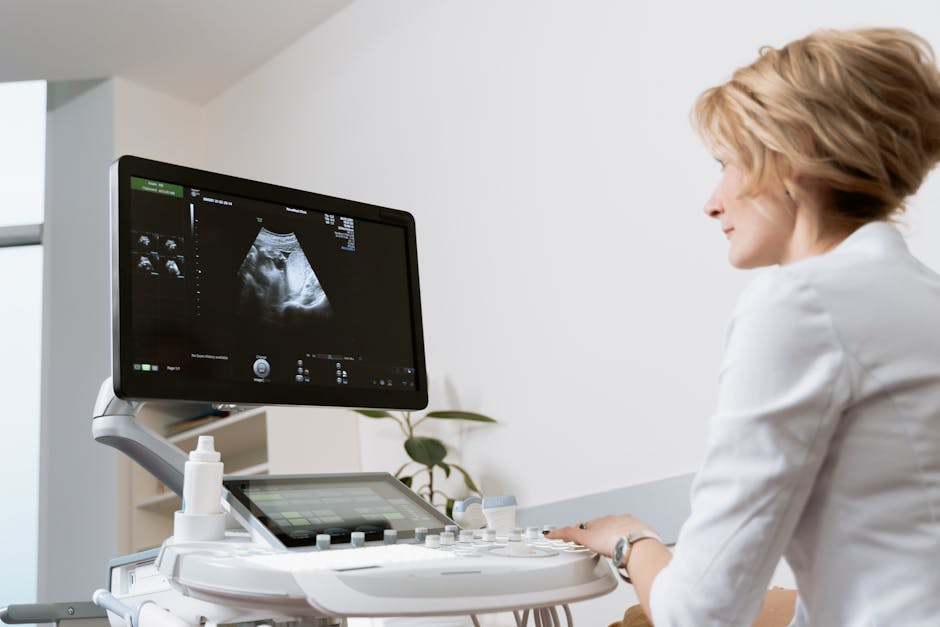
Understanding Ultrasound Machine Costs for Healthcare Procurement
Ultrasound machine price varies significantly based on system type, features, and condition. Here's what you need to know:
- Entry-Level/Portable Systems: $5,000 - $40,000 (handheld scanners, basic point-of-care units)
- Mid-Range Console Systems: $40,000 - $100,000 (general radiology, OB/GYN, color Doppler)
- Premium/High-End Systems: $100,000 - $250,000+ (3D/4D imaging, AI features, elastography)
- Average Market Price: Approximately $22,400 across all categories
- Refurbished Options: Typically 30-50% less than new systems
The price you pay depends on several critical factors: the machine's diagnostic capabilities, portability, included transducers, advanced imaging features, and whether you're buying new, refurbished, or used equipment.
When budgeting for ultrasound equipment, procurement managers face a complex landscape. The cost difference between a basic portable unit at $5,000 and an advanced cardiac system at $200,000+ represents more than just hardware—it reflects processing power, image quality, clinical versatility, and long-term diagnostic value.
The challenge isn't just finding the right price. It's understanding what drives those prices, identifying which features your facility actually needs, and ensuring you're working with verified suppliers who can deliver quality equipment with proper documentation and support.
Modern ultrasound technology has evolved from room-sized machines to handheld devices that connect to smartphones. This dramatic shift has democratized access to diagnostic imaging but has also made pricing more complex. A handheld unit might cost $5,000, while a cart-based system with similar imaging modes could be $30,000—the difference often lies in processing power, ergonomics, and expandability.
This guide breaks down the ultrasound machine price spectrum, explains the key cost drivers, and helps you calculate the true total cost of ownership beyond the initial purchase price.
Understanding the Ultrasound Machine Price Spectrum
Navigating medical equipment can feel like deciphering a secret code, especially when it comes to understanding the wide range of ultrasound machine price points. From compact, handheld devices perfect for quick assessments to sophisticated, cart-based systems designed for comprehensive diagnostics, the cost can vary dramatically. Our goal is to explain these costs, helping you understand what to expect at each level.
The typical price range for diagnostic ultrasound machines is incredibly broad. While some basic models for therapeutic use or specialized veterinary systems might start as low as $105.99, professional diagnostic equipment has a much higher entry point. According to data aggregated from various sources, the average price of ultrasound equipment sits around $22,413. However, we've seen prices range from approximately $98 for the most basic listings on marketplaces to over $379,713 for highly advanced systems. This vast spectrum is primarily influenced by the machine's capabilities, its intended clinical application, and its overall diagnostic power.
There are significant price differences between different types of ultrasound machines. A portable unit designed for point-of-care use will naturally cost less than a full-fledged radiology system. Let's dig into the specific categories:
Entry-Level and Portable Systems
When we talk about entry-level and portable ultrasound systems, we're often looking at devices designed for flexibility and immediate use. These machines are perfect for environments where space is limited or mobility is crucial, such as emergency rooms, intensive care units, or even fieldwork.
These systems typically fall into a price range of $5,000 to $40,000. While some incredibly basic therapeutic ultrasound devices can be found for as little as $105.99, professional diagnostic point-of-care ultrasound (POCUS) machines generally start higher. For instance, reputable sources indicate that Point-of-Care Ultrasound Machines can cost between $25,000 and $50,000. These are often compact, laptop-style units or even wireless handheld systems that connect to tablets or smartphones.
Portable ultrasound machines are ideal for routine and advanced exams, offering acceptable image quality for focused assessments. Their lightweight design and battery-powered options make them invaluable for bedside imaging and procedural guidance. Examples include wireless handheld systems suitable for abdominal, obstetric, and musculoskeletal imaging, or even rapid cardiac and vascular assessments. While they might not have all the bells and whistles of their larger counterparts, they provide essential diagnostic capabilities where and when they are needed most.
Mid-Range Console Systems
Stepping up from portable units, we encounter mid-range console systems. These are the workhorses of many clinics and departments, offering a more robust set of features and improved image quality compared to entry-level models. They are commonly found in general radiology departments, OB/GYN clinics, and cardiology practices, serving a wide array of diagnostic needs.
The price range for these systems typically sits between $40,000 and $100,000. This category represents a sweet spot for many healthcare facilities, balancing advanced capabilities with a manageable budget. Mid-range machines often come equipped with essential features like color Doppler, which significantly improves vascular assessments and blood flow visualization. They also tend to offer improved image quality, better penetration, and support for multiple transducer types, making them versatile for various examinations.
What makes mid-range systems particularly attractive is their scalability. Many manufacturers offer these systems with "a la carte" options, allowing you to customize features to meet specific clinical requirements without overspending on functionalities you don't need. This approach helps manage costs effectively while still acquiring a powerful and reliable diagnostic tool.
Premium and High-End Systems
At the pinnacle of ultrasound technology, we find premium and high-end systems. These machines are designed for specialized hospitals, large imaging centers, and research institutions where the most advanced diagnostics and highest image resolution are paramount. They represent the cutting edge of ultrasound innovation, incorporating sophisticated technologies for complex cases.
Expect to see prices for these top-tier systems ranging from $100,000 to $250,000 or even more. Some advanced systems can even reach upwards of $379,713. These machines boast features like advanced 3D/4D imaging capabilities, which provide incredibly detailed, real-time volumetric data, crucial for areas like obstetrics and cardiology. They also often include elastography, a technology that assesses tissue stiffness, aiding in the diagnosis of liver disease or certain cancers.
Many premium systems are powered by virtual beamforming architectures, like ZST+ (ZONE Sonography® Technology+), which create perfectly focused images across the entire field of view. They also integrate AI-powered Smart Tools and advanced automation features to improve workflow efficiency and diagnostic accuracy. These high-channel count devices (often supporting more than 64 channels) offer superior sensitivity and resolution, making them indispensable for expert-level examinations and research. Machines like the Mindray Resona 7, Mindray TE X Ultrasound System, and advanced cardiac systems from Siemens Healthineers (such as the ACUSON Origin and ACUSON Sequoia) fall into this elite category, offering unparalleled diagnostic power.
Key Factors That Determine Ultrasound Machine Cost
Understanding the sticker price of an ultrasound machine is just the beginning. The final cost is a mosaic of various components and functionalities, each contributing to the overall investment. Knowing these factors is essential for making an informed decision that aligns with both your clinical needs and your budget.
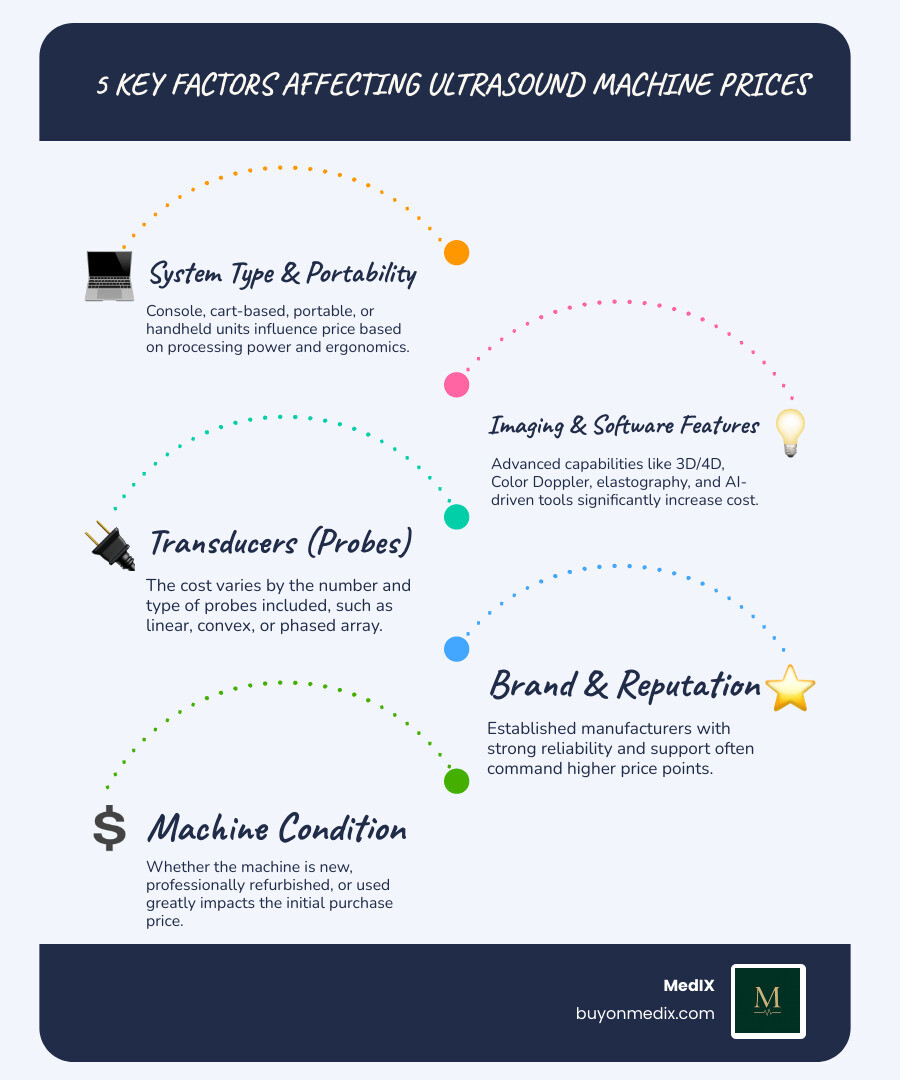
Several key elements influence the ultrasound machine price. These include the machine's diagnostic capabilities, the specific software and examination features it offers, its mobility, the type and number of transducers required, and even its ergonomic design. The manufacturer's brand and the machine's condition (new, demo, or refurbished) also play significant roles.
System Type and Portability
The physical design and mobility of an ultrasound machine profoundly impact its cost. We've already touched upon the general categories, but let's dive a bit deeper:
- Handheld Scanners: These ultra-portable devices, often connecting to smartphones or tablets, offer unparalleled flexibility. Their compact size means less hardware, which generally translates to a lower initial price. However, their processing power and advanced features might be more limited compared to larger systems.
- Portable/Laptop-style Units: These are more robust than handhelds, offering a balance of mobility and diagnostic capability. They typically have dedicated screens and more processing power, making them suitable for a wider range of exams in various locations.
- Cart-based/Console Systems: These larger, stationary units offer the highest processing power, most comprehensive feature sets, and superior image quality. Their robust construction, larger displays, and integrated workstations contribute to a higher price point. While less mobile, they are designed for intensive, high-volume diagnostic work in dedicated imaging rooms.
Beyond the basic form factor, factors like battery life (for portable units) and processor speed are critical. Machines designed with advanced ergonomic features—such as adjustable console heights, swiveling monitors, and intuitive touchscreen interfaces—tend to command a higher price. While this might seem like a luxury, these features significantly improve operator comfort, reduce fatigue, and improve workflow efficiency, making them a valuable investment in the long run.
Advanced Imaging and Software Features
The capabilities embedded within an ultrasound machine's software are major cost drivers. The more advanced and specialized the imaging modes and software packages, the higher the ultrasound machine price will climb.
- Black-and-white vs. Color Doppler: Basic systems typically offer only black-and-white (B-mode) imaging. The inclusion of color Doppler, which visualizes blood flow, significantly improves diagnostic capabilities, especially for vascular studies and cardiac assessments. Machines with color Doppler capabilities generally start from around $15,000.
- 3D/4D Real-time Imaging: This feature allows for volumetric reconstruction and real-time visualization of structures, particularly popular in obstetrics for fetal imaging and in cardiology. The ability to render photorealistic 4D images (like GE Voluson E8's HDlive) adds significant value. Systems with 3D-4D options can start at least from $30,000.
- Strain & Shear Wave Elastography: These advanced techniques measure tissue stiffness, providing crucial information for diagnosing conditions in organs like the liver (e.g., fibrosis) and breasts. Elastography can add up to $50,000 to the price of an ultrasound machine.
- AI-driven Automation and Tools: Artificial intelligence is increasingly integrated into high-end ultrasound systems. AI-powered Smart Tools can automate measurements, optimize image acquisition, and improve diagnostic accuracy, especially in complex cardiac systems. This cutting-edge technology significantly increases the machine's price point, as seen in models like the Mindray TE X Ultrasound System. Other advanced features include ZST+ virtual beamforming architecture for perfectly focused images and needle visualization technologies for improved procedural guidance.
- Specialized Packages: Dedicated software packages for cardiology (e.g., advanced cardiac analysis tools, stress echo), vascular analysis, or specific women's health applications (e.g., follicular tracking, uterine analysis) add further to the cost.
Transducers (Probes)
Transducers, often called probes, are the "eyes" of the ultrasound machine. They are critical components, and their type, number, and sophistication directly influence the overall ultrasound machine price. Each transducer is designed for specific applications, operating at different frequencies and depths to visualize various anatomical structures.
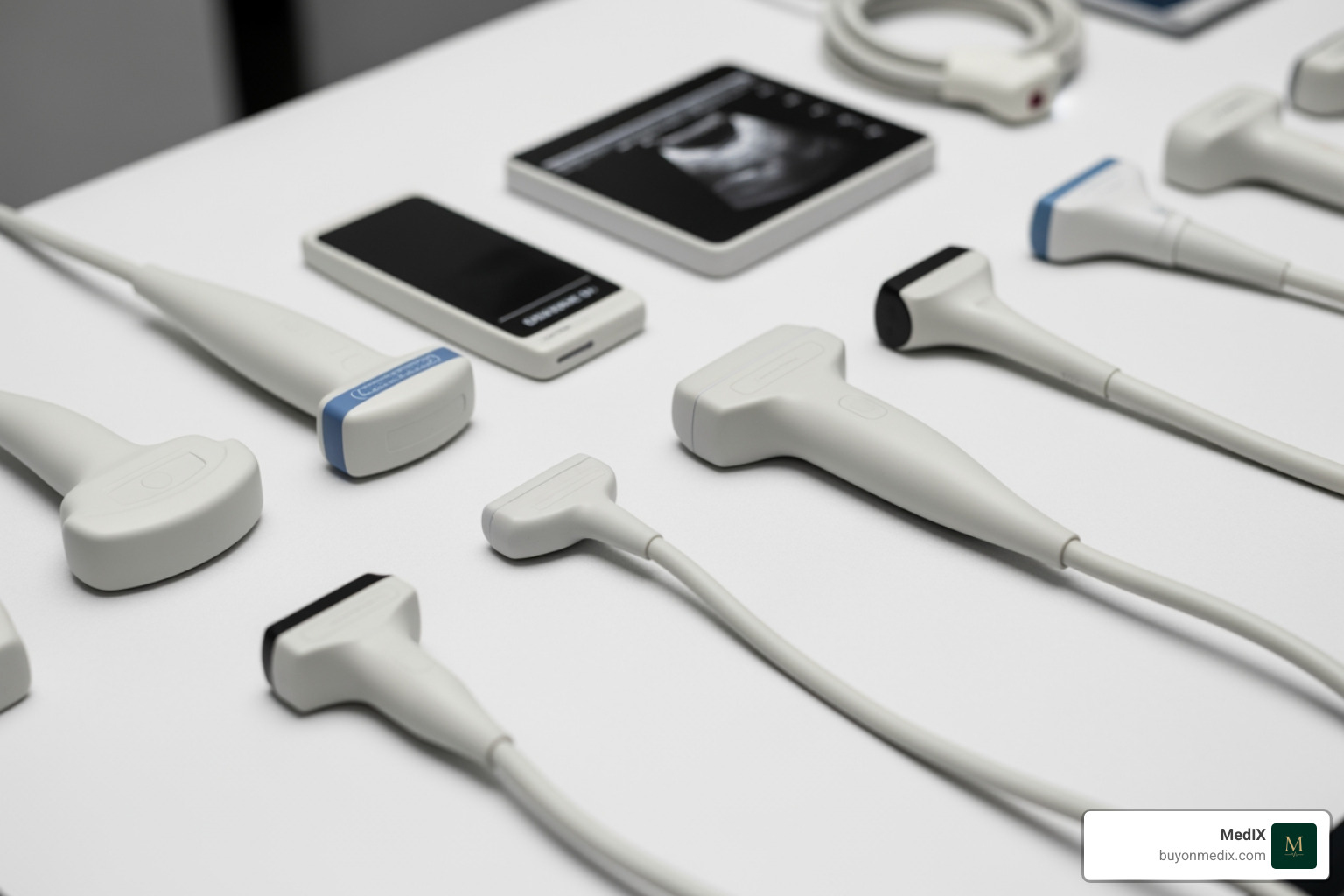
- Transducer Cost: Individual transducers can be quite expensive, ranging from a few thousand dollars to well over $10,000 each, depending on their complexity and specialty. The more specialized the transducer, the higher its cost.
- Probe Types: Common types include:
- Linear probes: High frequency, ideal for superficial structures like blood vessels, breasts, and musculoskeletal imaging.
- Convex probes: Lower frequency, used for deeper structures like abdominal organs and obstetrics.
- Phased array probes: Very low frequency, used for cardiac imaging and transcranial Doppler due to their small footprint and ability to penetrate through narrow acoustic windows.
- Endocavitary probes: Designed for transvaginal or transrectal imaging.
- Specialized probes: Such as 3D/4D volumetric probes, matrix probes, or pencil probes for specific applications.
- Number of Probes: Most ultrasound machines can support multiple transducers, but each additional probe adds to the initial purchase price. A machine that can accommodate a wider array of transducer types offers greater versatility but will likely have a higher base cost. When purchasing, it's crucial to identify the specific examinations you'll be performing to ensure you acquire the necessary probes without overinvesting in unused equipment.
How to Get the Best Value: New, Refurbished, and Used Options
When considering an ultrasound machine, the decision isn't just about the initial ultrasound machine price. It's about securing the best value over the equipment's lifespan. This involves looking beyond new models and exploring the robust market for refurbished and used systems, while also calculating the total cost of ownership (TCO) to ensure a sound investment strategy.
Comparing Purchase Conditions
The condition of an ultrasound machine—new, refurbished, or used—is one of the most significant factors affecting its price and overall value. Let's break down the differences:
| Factor | New Ultrasound Machine | Refurbished Ultrasound Machine | Used Ultrasound Machine |
|---|---|---|---|
| Initial Cost | Highest (100% of market value) | Significantly lower (often 30-50% less than new) | Lowest (can be 50-80% less than new) |
| Warranty | Full manufacturer's warranty | Typically includes a warranty from the refurbisher (often 6-12 months), sometimes extended. | Often sold "as-is" with no warranty, or a very limited one. |
| Technology Level | Latest models, cutting-edge features | Can be recent models (1-5 years old) with current technology. | Older models, potentially outdated technology. |
| Associated Risk | Lowest risk; guaranteed performance and support. | Low to moderate risk, depending on the refurbisher's reputation and certification. | Highest risk; potential for hidden defects, costly repairs. |
| Condition | Brand new, pristine. | Professionally restored to original (or near-original) specifications, often with new parts. | Varies widely; may have cosmetic wear, functional issues. |
New machines come directly from the manufacturer with a full warranty, representing the latest in technology and performance. They offer peace of mind but at the highest ultrasound machine price.
Refurbished machines are used machines that have undergone a rigorous restoration process. Reputable refurbishers inspect, repair with OEM (Original Equipment Manufacturer) parts, replace worn components, and calibrate the system to meet original specifications. Some, like GE HealthCare's GoldSeal Certified systems, even come with manufacturer-backed refurbishment. This option provides a cost-effective way to acquire high-quality, reliable equipment, often models that are only a few years old, at a significantly reduced price (30-50% less than new).
Used machines are sold in their current condition, often directly from a previous owner. While they offer the lowest upfront cost, they carry the highest risk. They may lack warranties, have unknown maintenance histories, and could require immediate repairs or upgrades, potentially negating initial savings.
Calculating the Total Cost of Ownership
The true financial impact of an ultrasound machine extends far beyond its initial ultrasound machine price. To accurately budget, we must consider the total cost of ownership (TCO), which includes ongoing expenses:
- Service Contracts and Maintenance: Like any complex electronic device, ultrasound machines require regular maintenance and occasional repairs. Service contracts can be a significant recurring cost but provide essential peace of mind and minimize downtime. These can range from a few hundred to several thousand dollars annually, depending on the machine's complexity and coverage level.
- Consumables Cost: Certain items are used up during daily operation.
- Ultrasound Gel: This is a fundamental consumable. Basic ultrasound gel is quite affordable, with a pack of two (0.25 liters each) costing around $14.60, and larger containers (5 liters) priced at approximately $30.32.
- Probe Covers: Essential for hygiene and infection control, these are used per patient and add to ongoing costs.
- Printer Paper/Film: If hard copies of images are produced.
- Software Upgrades: Technology evolves rapidly. Future software upgrades, which can introduce new features, improve image quality, or improve workflow, may come with additional costs.
- Staff Training Expenses: Ensuring your team is proficient with new equipment is crucial. Training costs, whether internal or external, should be factored into the overall investment.
Exploring Your Ultrasound Machine Price and Financing Options
For many healthcare facilities, especially smaller clinics or those expanding rapidly, the upfront ultrasound machine price can be a significant hurdle. Fortunately, several financing options can make these essential diagnostic tools more accessible:
- Direct Purchase: Paying for the machine outright with available capital. This avoids interest payments but ties up a significant amount of cash.
- Leasing Agreements: Leasing allows you to use the equipment for a set period by paying regular installments. This preserves capital, offers predictable monthly expenses, and often includes options to upgrade to newer technology at the end of the lease term. It can also provide tax benefits.
- Third-Party Financing: Specialized medical equipment lenders offer loans custom to healthcare practices. These can be structured with various payment terms and interest rates, spreading the cost over several years.
Each option has implications for your cash flow and long-term financial planning. We recommend carefully evaluating the pros and cons of each, potentially consulting with financial advisors, to determine the best approach for your facility. Understanding these options can make even a high-end ultrasound machine price manageable over time.
Frequently Asked Questions about Ultrasound Machine Prices
We understand that purchasing an ultrasound machine comes with many questions, especially regarding the financial investment. Here, we address some of the most common inquiries to help you make a well-informed decision.
What is a realistic budget for a small clinic's first ultrasound machine?
For a small clinic looking to acquire its first diagnostic ultrasound machine, balancing capability with cost is key. For a new, reliable, and general-purpose machine, a realistic budget typically falls between $25,000 and $60,000. This range allows for a solid entry-level or even a mid-range portable system with essential features like basic imaging modes and potentially color Doppler.
However, if your budget is tighter or you're looking for greater value, consider high-quality refurbished models. These can offer similar capabilities and reliability as new systems but at a significantly reduced ultrasound machine price, often 30-50% less. This means you could potentially acquire a mid-range system's performance for an entry-level budget. Don't forget to factor in the cost of initial transducers and any necessary training.
How much do advanced features like 4D or elastography add to the ultrasound machine price?
Advanced imaging features are powerful diagnostic tools, but they do come with a premium. These technologies require sophisticated hardware and software, which naturally increase the ultrasound machine price.
- 3D/4D Imaging: Adding real-time 3D and 4D capabilities can increase the machine's cost by a substantial $10,000 to $25,000 on top of the base price. For systems with truly cutting-edge 3D-4D options, prices can start at least from $30,000. This reflects the complex processing power needed to render volumetric images in real-time.
- Elastography: Features like strain or shear wave elastography, which measure tissue stiffness, are highly specialized. Incorporating these can add another $15,000 to $30,000 or even up to $50,000 to the machine's price. This reflects the advanced algorithms and transducer technology required for accurate tissue characterization.
These figures illustrate that while advanced features offer significant diagnostic advantages, they represent a considerable investment. It's crucial to assess whether your clinic's patient demographic and clinical needs truly warrant these specialized functionalities.
Is a refurbished ultrasound machine a reliable choice?
Absolutely! A refurbished ultrasound machine can be an exceptionally reliable and cost-effective choice, provided you source it from a reputable vendor. We often find that high-quality refurbished models can deliver performance comparable to new machines for a fraction of the ultrasound machine price.
A properly refurbished machine isn't just a used machine; it's a system that has undergone a meticulous process:
- Professional Inspection: Thorough evaluation of all components.
- Repair and Replacement: Any faulty or worn parts are repaired or replaced, often with OEM (Original Equipment Manufacturer) parts.
- Calibration: The system is calibrated to meet the manufacturer's original performance specifications.
- Quality Assurance: Comprehensive testing ensures optimal functionality and image quality.
Many reputable suppliers offer warranties on their refurbished equipment, providing peace of mind similar to a new purchase. Some manufacturers even offer certified refurbished programs, like GE HealthCare's GoldSeal Certified systems. This commitment to quality makes refurbished machines a smart investment, allowing facilities to access advanced technology without the premium cost of a brand-new unit. It's a fantastic way to maximize your budget without compromising on diagnostic capability or reliability.
Conclusion: Making an Informed Purchase
Acquiring an ultrasound machine is a significant investment for any healthcare facility, and understanding the nuances of ultrasound machine price is paramount. We've seen that costs fluctuate wildly, influenced by everything from portability and system type to advanced imaging features, the number of transducers, and the machine's condition. From entry-level portables at $5,000 to high-end systems exceeding $250,000, each price point reflects a different level of capability and specialization.
The key to making a wise decision lies in a comprehensive approach:
- Assess Your Clinical Needs: What types of examinations will you primarily perform? This dictates the required features and, consequently, the price tier.
- Evaluate Features: Prioritize features like color Doppler, 3D/4D, or elastography based on their clinical necessity, understanding how each contributes to the overall cost.
- Consider All Purchase Options: Don't limit yourself to new equipment. Refurbished machines, from reputable vendors, offer excellent value and reliability at a lower ultrasound machine price, often 30-50% less than new.
- Calculate Total Cost of Ownership: Beyond the initial purchase, factor in service contracts, maintenance, consumables like gel, software upgrades, and staff training to get a true picture of the long-term financial commitment.
- Explore Financing: Leasing or third-party financing can help manage cash flow and make high-value equipment more accessible.
Choosing the right ultrasound system is about balancing clinical requirements, technological sophistication, and your budget. By taking an informed, strategic approach, you can make an investment that improves patient care and optimizes your facility's operational efficiency. For a transparent and reliable procurement process, connecting with verified suppliers globally through a trusted marketplace can simplify your journey.

Expert voices
Insights from leaders transforming medical equipment procurement


More from our blog
Discover the latest trends in medical technology and procurement
Stay ahead of medical technology
Get the latest insights, research, and market updates delivered straight to your inbox
Ready to transform your procurement
Discover how MedIX can streamline your medical equipment sourcing process