Transforming medical equipment procurement globally

Why Finding the Right Medical Supplies Supplier Matters More Than Ever
A medical supplies supplier is a company that provides healthcare facilities with essential products ranging from disposable items (gloves, masks, syringes) to durable medical equipment (DME), diagnostic tools, and surgical instruments. The right supplier ensures quality products, regulatory compliance, competitive pricing, and reliable delivery—critical factors for patient safety and operational efficiency.
Quick Reference: What to Look for in a Medical Supplies Supplier:
| Key Factor | What It Means |
|---|---|
| Quality & Compliance | FDA/Health Canada certifications, ISO standards, rigorous vetting |
| Product Range | Comprehensive inventory from PPE to diagnostic equipment |
| Cost Management | Competitive pricing, bulk options, inventory control tools |
| Reliability | Consistent delivery, global logistics, emergency support |
| Technology | Digital ordering, AI-matching, transparent transactions |
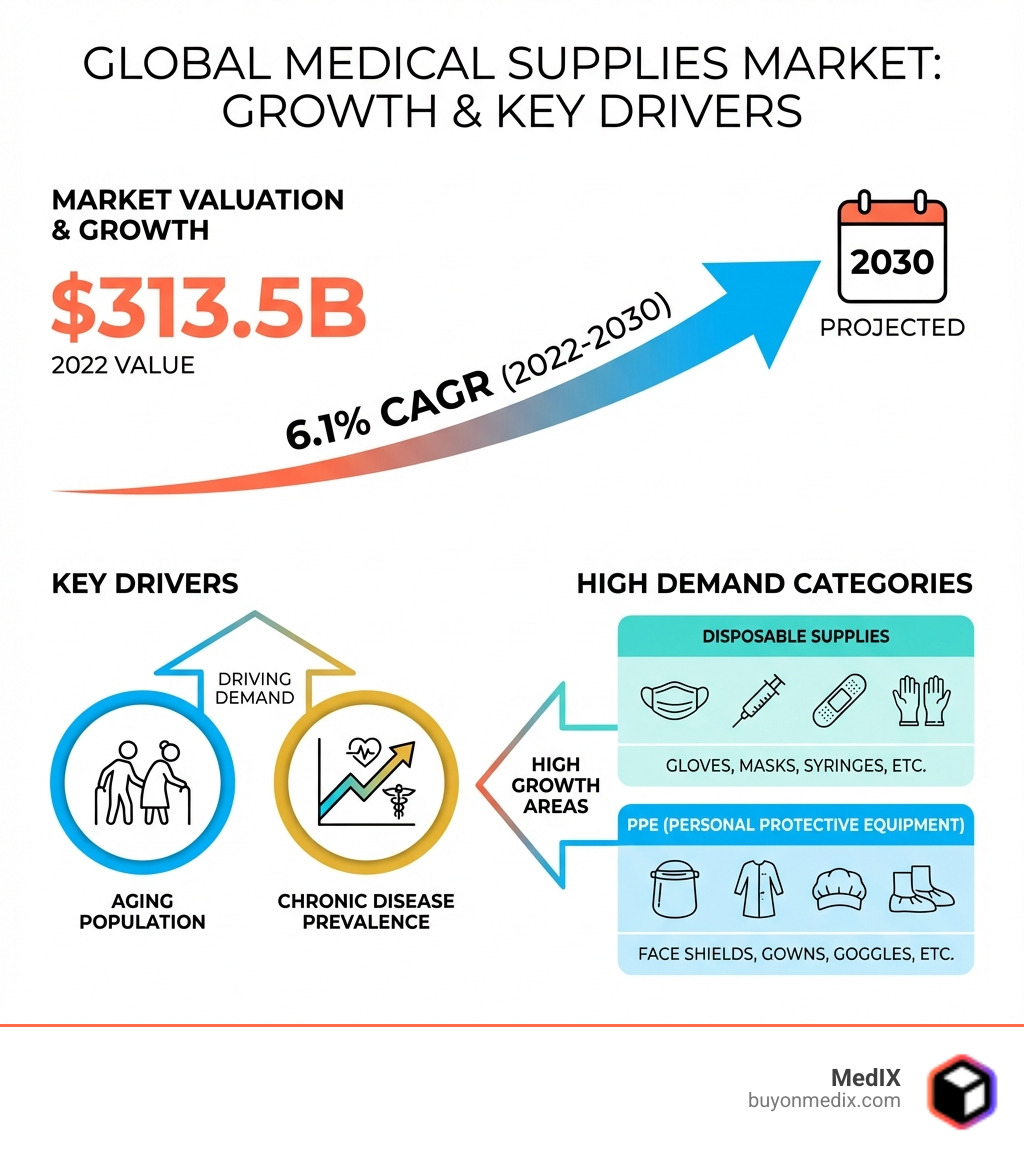
The global medical supplies market was valued at $313.5 billion in 2022 and is growing at 6.1% annually through 2030. This expansion is driven by an aging population, rising chronic disease rates, and increased focus on infection prevention—factors that make supplier selection more critical than ever. For more context on market dynamics, see the overview of the medical equipment industry.
For procurement managers at healthcare institutions, the challenge goes beyond simply finding products. You need suppliers who understand regulatory requirements across borders, offer transparent pricing, and provide the logistics infrastructure to deliver when and where you need it. The COVID-19 pandemic highlighted just how fragile supply chains can be when demand surges unexpectedly.
The stakes are high. Your choice of supplier directly impacts patient safety, staff productivity, and your facility's bottom line. Whether you're managing inventory for a 500-bed hospital or coordinating supplies across multiple clinics, the complexity of vetting suppliers, ensuring compliance, and managing costs can quickly become overwhelming.
This guide cuts through that complexity. We'll explore what modern medical supplies suppliers offer, how to evaluate them on factors that matter, and why the right partnership can transform your procurement process from a constant headache into a strategic advantage.
The Spectrum of Medical Supplies: What Do Suppliers Offer?
When we talk about a medical supplies supplier, we're often picturing a vast and intricate network providing everything from a simple bandage to sophisticated diagnostic machinery. The sheer breadth of products available is astonishing, designed to meet the diverse and changing needs of healthcare.
Common Categories of Medical Supplies
A comprehensive medical supplies supplier typically offers an expansive catalog. Let's look at some of the main categories:
- Disposable Supplies: These are single-use items crucial for infection control and patient hygiene. Think gloves, masks, syringes, needles, catheters, and various wound dressings. The demand for these items is consistently high due to their single-use nature and infection control benefits, a trend significantly boosted by events like the COVID-19 pandemic.
- Personal Protective Equipment (PPE): Beyond basic masks and gloves, PPE includes gowns, face shields, respirators, and even specialized footwear, essential for protecting healthcare workers and patients.
- Durable Medical Equipment (DME): These are items designed for long-term use, often in home care settings or hospitals. This can include hospital beds, wheelchairs, walkers, oxygen concentrators, CPAP machines, and patient lifts.
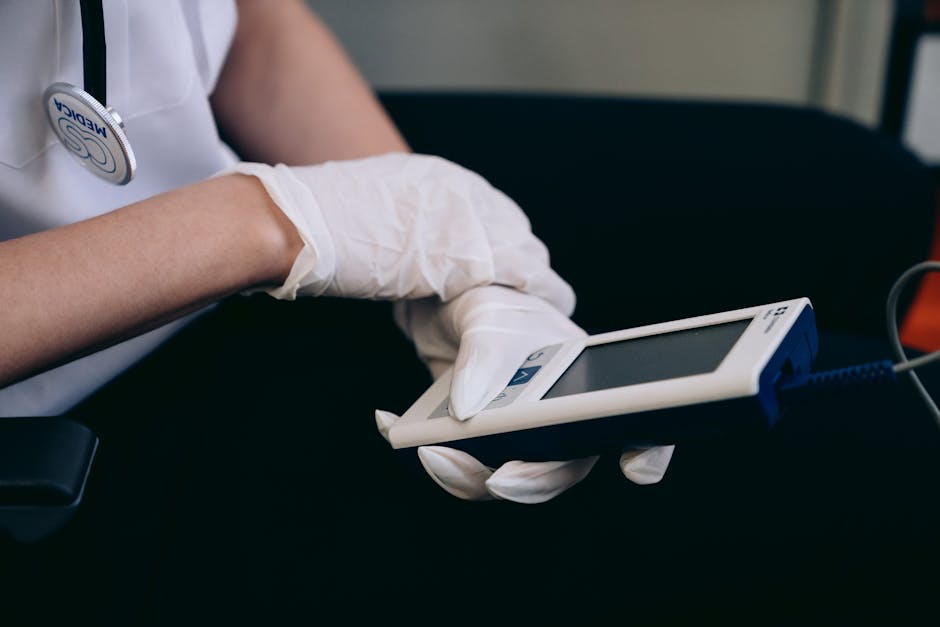
- Diagnostic Equipment: From simple stethoscopes and blood pressure monitors to advanced imaging equipment and laboratory analyzers, these tools are vital for accurate diagnosis and monitoring.
- Surgical Instruments: A wide array of tools used in operating rooms, ranging from scalpels and forceps to more complex laparoscopic instruments and custom procedure trays.
- Laboratory Supplies: This category encompasses everything needed for medical testing, including test tubes, reagents, rapid test kits, clinical analyzers, and specialized lab safety equipment.
- Wound Care Products: This includes basic bandages, advanced wound dressings, antiseptics, and specialized wound care systems for various types of injuries and post-operative care.
- Incontinence Supplies: Products like adult diapers, protective pads, and skin care solutions designed to manage incontinence.
For a primary care clinic, an essential supply list might include:
- Exam gloves (various sizes)
- Face masks (surgical and N95)
- Alcohol swabs and antiseptic wipes
- Bandages and wound dressings
- Syringes and needles
- Blood pressure cuffs and stethoscopes
- Thermometers
- Rapid diagnostic test kits (e.g., flu, strep)
- Hand sanitizer and soap
- Exam table paper and pillowcases
- Basic cleaning supplies
The Growing Demand for Specific Supplies
The landscape of healthcare is shifting, and with it, the demand for certain medical supplies. The increasing prevalence of chronic diseases and the aging global population are significant drivers for the medical supplies market. This translates into a higher need for long-term care supplies, such as incontinence products and mobility aids.
Furthermore, the focus on preventative care and the rise of home healthcare mean that supplies traditionally found in hospitals are now in demand for use in clinics, assisted living facilities, and even patients' homes. The COVID-19 pandemic also underscored the critical importance of robust supply chains for PPE and other essential medical items, permanently boosting demand and awareness for these categories.
Key Factors in Choosing a Medical Supplies Supplier
Selecting the right medical supplies supplier isn't just about finding products; it's about establishing a partnership that supports your facility's core mission: patient care. This decision involves weighing several critical factors.

Quality, Compliance, and Patient Safety
At the heart of any healthcare operation is patient safety, and this starts with the quality of your supplies. A reputable medical supplies supplier understands this implicitly. They ensure their products meet stringent regulatory standards, such as FDA approval or Health Canada regulations, and often hold ISO certifications, indicating a commitment to quality management systems.
We believe in rigorous compliance checks, ensuring every product on our platform is verified and meets global standards. This isn't just about ticking boxes; it's about product traceability and ensuring that what you receive is safe, effective, and reliable. Suppliers contribute directly to positive health outcomes by providing high-quality, dependable products that perform as expected, reducing risks and complications for patients. When evaluating suppliers, always inquire about their vetting process for manufacturers and their quality assurance protocols.
How a Modern Medical Supplies Supplier Addresses Unique Needs
Healthcare isn't a one-size-fits-all endeavor, and neither are its supply needs. A truly effective medical supplies supplier tailors its offerings and services to the unique demands of different healthcare settings:
- Hospitals & Health Systems: These large entities require massive volumes, complex logistics, and often specialized equipment for various departments (e.g., OR, ICU, emergency). Suppliers for hospitals need robust supply chain management capabilities and patient-focused solutions.
- Physician Offices: Smaller practices need efficient ordering, a reliable supply of consumables like needles, syringes, and exam gloves, often with less storage space.
- Surgery Centers: These facilities require precise surgical equipment and custom procedure trays, demanding accuracy and timely delivery.
- Post-Acute Care Facilities (e.g., assisted living, long-term care): Focus is on patient comfort, dignity, and independence, requiring products like wound care, nutritional, CPAP, and incontinence supplies.
- Home Care Agencies: As more care shifts home, suppliers must offer a range of home medical equipment and consumables, often with direct-to-patient delivery options.
- Laboratories: Needs include specific testing reagents, diagnostic kits, and specialized equipment for clinical, molecular, or research labs.
A flexible medical supplies supplier acts as an extension of their clients, providing expert advice and customized solutions, whether it's for a busy urban hospital or a rural home health agency.
Evaluating Cost and Inventory Management Support
In healthcare, every dollar counts. A good medical supplies supplier understands the financial pressures on facilities and offers solutions to manage costs and optimize inventory.
- Competitive Pricing & Bulk Options: Suppliers often provide tiered pricing, discounts for bulk purchases, and promotional sales to help reduce procurement costs. This can include offering private brand supplies that deliver quality at a more cost-effective price point.
- Cost Reduction Strategies: Beyond just price, suppliers can help identify areas for efficiency, such as product standardization or recommending alternatives that offer better value without compromising quality.
- Inventory Management Tools: Modern suppliers offer sophisticated tools to streamline inventory control. For example, inventory management systems can use bar code scanning for quick item counts, customized reporting, and integration with existing practice management systems. These tools help reduce manual errors, minimize overstocking or stockouts, and free up staff time.
- Reducing Healthcare Vendor Fatigue: Dealing with multiple vendors for different product categories can be exhausting and inefficient. A comprehensive medical supplies supplier can act as a single merchant for diverse needs, simplifying procurement and reducing administrative overhead. This holistic approach ensures you spend less time managing vendors and more time focusing on patient care.
The Role of Technology and Innovation in the Medical Supply Industry
Technology is rapidly changing every sector, and the medical supply industry is no exception. For a medical supplies supplier, innovation isn't just a buzzword; it's a necessity for efficiency, transparency, and resilience.
Digital Platforms for Streamlined Procurement
Gone are the days of endless phone calls and faxed orders. Modern medical supplies supplier leverage digital platforms to simplify the entire procurement process:
- Online Ordering Portals: These user-friendly interfaces allow healthcare professionals to browse extensive catalogs, view product details, and place orders 24/7. This offers convenience and accessibility, whether you're ordering from a hospital, clinic, or even a home care setting.
- E-commerce Functionality: Beyond simple ordering, advanced platforms offer features like customized shopping lists for frequently ordered items, advanced search capabilities, and the ability to track purchase history.
- Customized Reporting: Digital systems provide valuable data insights, allowing facilities to analyze spending patterns, track product usage, and identify areas for cost savings.
- Integration with Practice Management Systems: Seamless integration ensures that order information flows directly into existing administrative systems, reducing data entry and errors.
- Transparent Transactions: In an ideal world, every transaction is clear, verifiable, and free from hidden costs. Technology helps facilitate this transparency, building trust between facilities and their suppliers. We strive for transparent transactions, ensuring clarity in every step of the procurement process.
Key Trends Shaping the Future of Medical Supply
The medical supply market is dynamic, constantly adapting to new challenges and opportunities. Several key trends are shaping its future:
- Intelligent Automation: From warehouse robotics to automated inventory reordering, AI and machine learning are making supply chains smarter and more efficient. This includes AI-matching technologies that connect buyers with verified suppliers, ensuring the right product gets to the right place at the right time.
- Focus on Sustainability: Healthcare is intrinsically tied to sustainability. Suppliers are increasingly adopting eco-friendly practices, from sustainable sourcing to reducing packaging waste. This trend also emphasizes health equity, access, and affordability as basic human rights.
- Resilient Global Logistics: The pandemic exposed vulnerabilities in global supply chains. Future-focused suppliers are investing in robust, reliable global logistics networks to ensure consistent product availability, even in times of crisis. We prioritize reliable global logistics to support healthcare providers worldwide.
- Growth of Online Sales Channels: The convenience and accessibility of online platforms continue to drive growth, making it easier for healthcare providers to access a vast array of products.
- Data-Driven Decision Making: Leveraging data analytics to forecast demand, optimize inventory levels, and identify cost-saving opportunities is becoming standard practice for both suppliers and healthcare facilities. This allows for more strategic procurement and resource allocation.
These advancements help address common challenges faced by medical supply chains, such as stockouts, unexpected demand surges, and complex international regulations, by building more resilient, efficient, and transparent systems.
Single Source vs. Multi-Vendor: Which Strategy is Right for You?
When it comes to procuring medical supplies, healthcare facilities often face a fundamental choice: partner with a single, comprehensive medical supplies supplier or manage relationships with multiple specialized vendors. Both approaches have their merits, but understanding the benefits of each can help you make an informed decision.
Partnership Benefits
Choosing a single, comprehensive provider offers several compelling advantages:
- Streamlined Procurement: Imagine having one point of contact, one ordering system, and one invoice for the majority of your medical supply needs. This dramatically simplifies the procurement process, reduces administrative burden, and frees up valuable staff time. It's about eliminating "healthcare vendor fatigue."
- Cost Management: A comprehensive supplier often offers competitive pricing due to volume purchasing and can provide deeper discounts. They are also more invested in helping you identify cost-saving opportunities across your entire supply chain, rather than just for specific product lines.
- Supply Chain Resilience: A single, trusted partner can offer greater visibility and control over your supply chain. With our focus on verified equipment and rigorous compliance checks, working with a comprehensive partner on a global B2B marketplace can significantly improve your supply chain's resilience.
- Access to Products: While specialized vendors might offer niche items, a large medical supplies supplier typically boasts an incredibly broad product range, covering everything from disposables to capital equipment. This means less searching and more finding.
- Stronger Relationship: A deeper partnership with a single supplier can lead to better customer service, customized solutions, and a supplier who truly understands your facility's unique needs and challenges.
However, some facilities might opt for a multi-vendor approach to leverage specialized expertise or to avoid being overly reliant on one supplier. The key is to weigh the benefits against potential complexities.
Here's a quick comparison:
| Factor | Comprehensive Medical Supplies Provider | Multiple Specialized Vendors |
|---|---|---|
| Efficiency | High (single point of contact, streamlined ordering, less admin) | Lower (managing multiple relationships, varied ordering systems) |
| Cost | Potential for greater discounts, holistic cost management | May get best price for individual items, but less overall visibility |
| Product Access | Broad range, one-stop shop for most needs | Niche expertise, access to highly specialized products |
| Relationship Mgmt. | Deeper partnership, customized support, shared goals | Transactional, requires more internal management |
| Supply Chain Risk | Centralized risk, but strong partner mitigates; easier monitoring | Diversified risk, but more complex to manage and coordinate |
The choice depends on your facility's size, specific needs, resources, and risk tolerance. Many find that the benefits of partnering with a comprehensive medical supplies supplier far outweigh the perceived advantages of a multi-vendor approach, especially when that supplier offers advanced technological solutions like AI-matching and reliable global logistics. This strategic partnership contributes significantly to patient safety and positive health outcomes by ensuring consistent access to quality, verified products.
Conclusion: Forging a Partnership for Healthcare Excellence
The role of a medical supplies supplier has evolved dramatically. They are no longer just distributors; they are strategic partners in healthcare delivery, impacting everything from operational efficiency to patient safety and positive health outcomes. As we've explored, the decision of who to partner with is multifaceted, requiring careful consideration of product quality, compliance, custom services, cost management support, and technological innovation.
The global medical supplies market continues its robust growth, driven by an aging population, rising chronic disease rates, and an unwavering focus on infection prevention. In this dynamic environment, healthcare facilities need suppliers who offer more than just products. They need partners who provide transparent transactions, rigorous compliance checks, and reliable global logistics, ensuring verified equipment reaches them efficiently, no matter where they are in the world.
Whether you're managing a busy hospital or a specialized clinic, forging the right partnership with a medical supplies supplier can transform your procurement process from a challenge into a strategic advantage. It's about ensuring your healthcare professionals have the tools they need, when they need them, so they can focus on what matters most: providing exceptional patient care.
Find the right equipment for your facility by exploring our comprehensive medical supply categories.

Expert voices
Insights from leaders transforming medical equipment procurement


More from our blog
Discover the latest trends in medical technology and procurement
Stay ahead of medical technology
Get the latest insights, research, and market updates delivered straight to your inbox
Ready to transform your procurement
Discover how MedIX can streamline your medical equipment sourcing process