Transforming medical equipment procurement globally

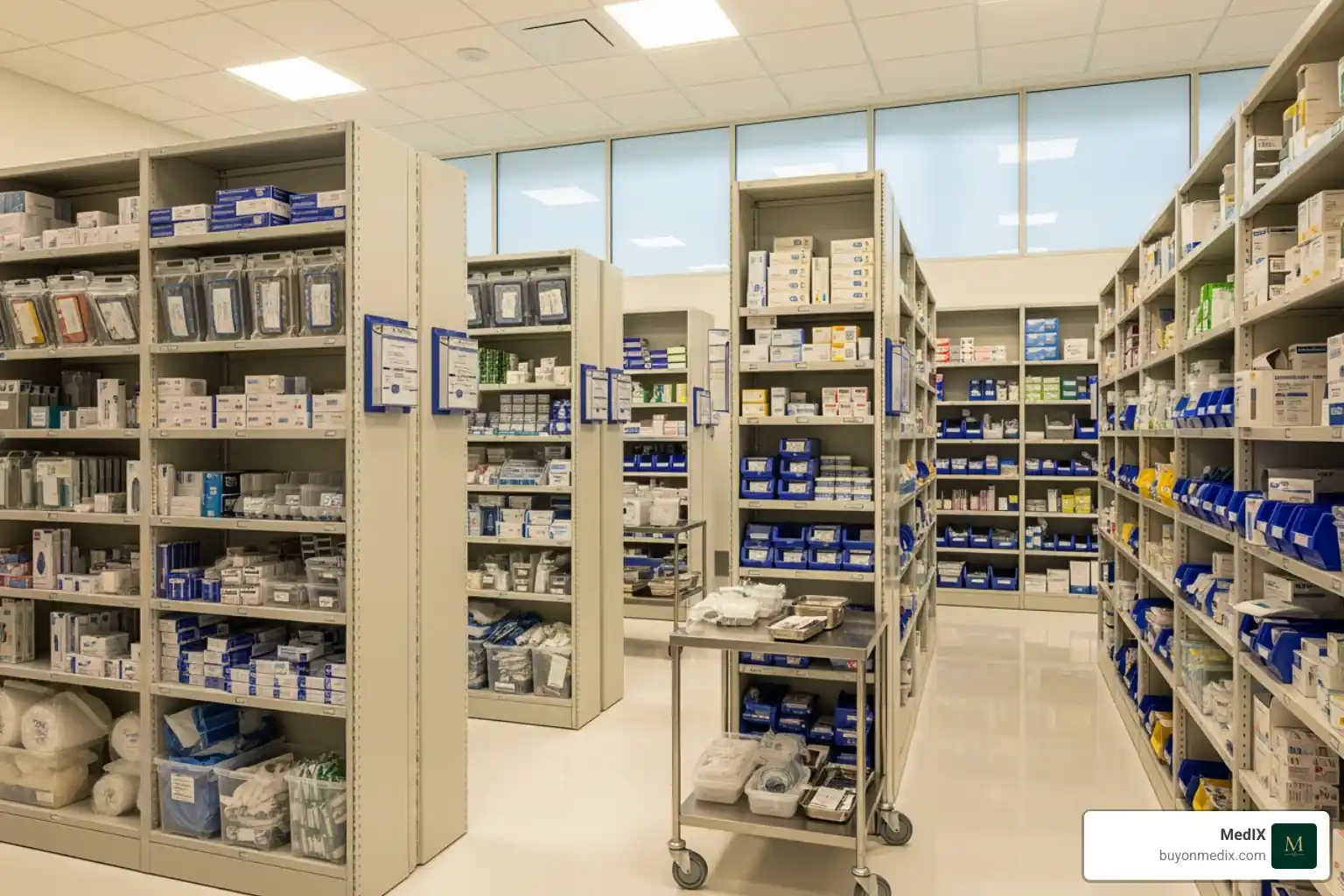
Why Healthcare Procurement Solutions Matter More Than Ever
Healthcare procurement solutions are comprehensive systems and partnerships designed to help hospitals, clinics, and healthcare facilities source medical equipment, supplies, and services more efficiently while reducing costs and ensuring compliance. These solutions range from group purchasing organizations (GPOs) that leverage collective buying power, to digital platforms that automate procure-to-pay processes, to B2B marketplaces that connect buyers directly with verified suppliers globally.
For a broader context on how procurement fits into the overall health system, the World Health Organization offers an overview of health systems and service delivery, which underscores the importance of robust supply chains in healthcare.
Quick comparison of healthcare procurement solutions:
| Solution Type | Best For | Key Benefit | Cost Savings Potential |
|---|---|---|---|
| Group Purchasing Organizations (GPOs) | Food, general supplies, high-volume purchasing | Pre-negotiated contracts, reduced admin burden | Up to 30% on purchasing costs |
| Digital Procurement Platforms | Internal process automation, spend visibility | AI-powered analytics, workflow automation | 40% time savings, 50% efficiency increase |
| B2B Marketplaces | Medical equipment, global sourcing | Direct supplier access, transparent pricing | Varies by equipment category |
The pressure on healthcare procurement has never been higher. Rising costs threaten budgets. Supply chain disruptions risk patient care. Manual processes burn out staff while compliance requirements grow more complex.
With billions of dollars in purchasing power available through GPOs, and digital platforms reporting up to 50% increases in operating efficiency and ROI in less than 12 months, the right procurement strategy doesn't just save moneyit directly impacts patient outcomes.
Healthcare workers spend up to 40 hours per month just searching for supplies. That's time taken away from patient care. Meanwhile, procurement managers face the challenge of vetting suppliers, ensuring regulatory compliance, managing global logistics, and maintaining transparent pricing across thousands of products.
The good news? Modern procurement solutions address these exact pain points through technology, data analytics, and strategic partnerships.
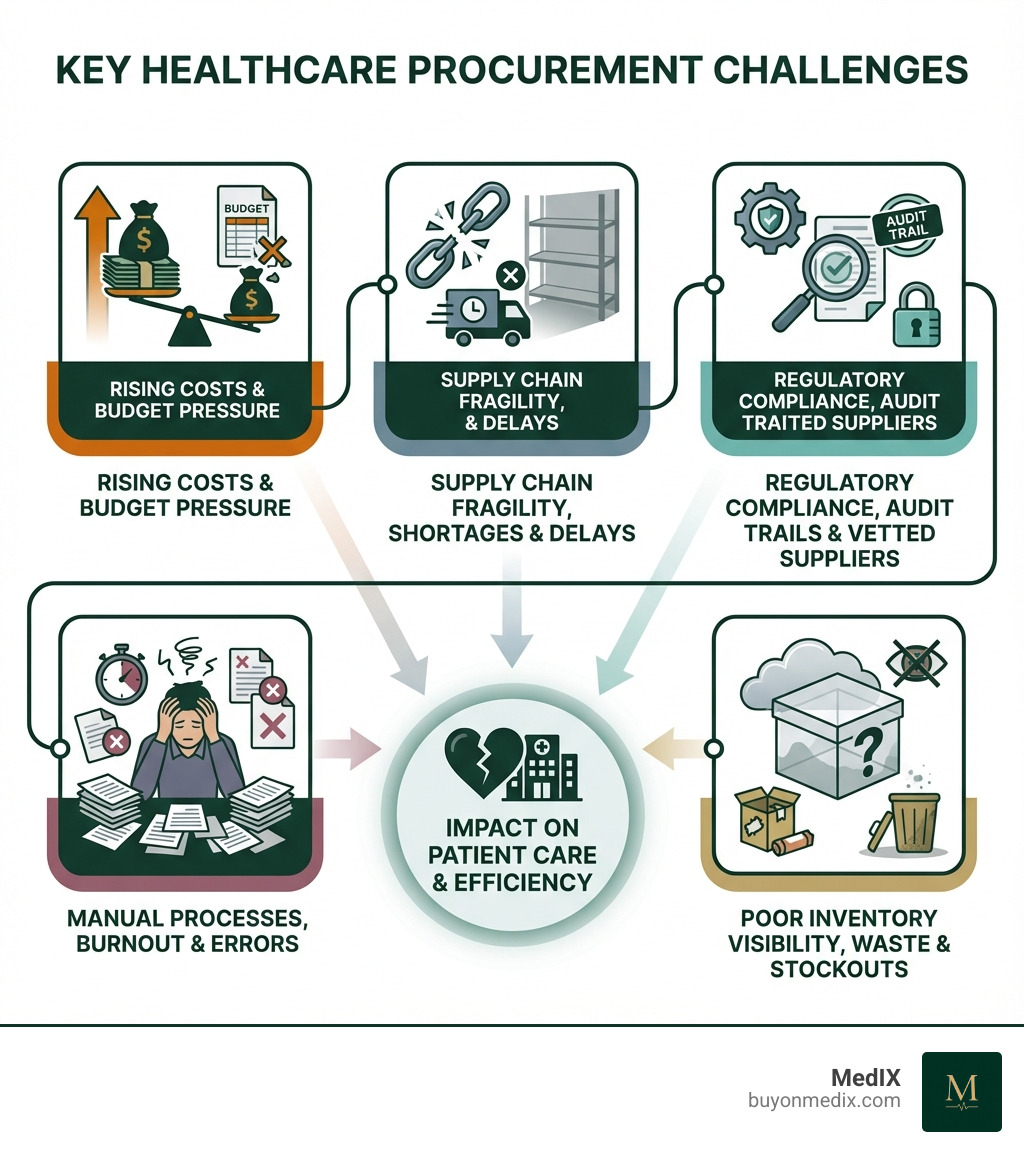
The Core Challenges of Modern Healthcare Procurement
In the dynamic world of healthcare, the journey from patient admission to discharge relies heavily on a seamless supply chain. Yet, behind the scenes, healthcare procurement teams often grapple with a labyrinth of complexities.

Let's unpack the primary challenges faced by acute care facilities:
- Rising Costs: Healthcare costs are escalating. Procurement costs significantly impact a facility's overall financial performance. From specialized medical devices to everyday consumables and food services, every purchase decision carries weight. Without strategic healthcare procurement solutions, facilities risk overspending, diverting resources from patient care initiatives.
- Supply Chain Fragility: Recent years have highlighted how vulnerable global supply chains can be. Disruptions from natural disasters, geopolitical events, or demand surges can lead to critical shortages. This fragility directly impacts patient care, as lack of essential supplies can delay procedures or compromise safety.
- Regulatory Compliance: Healthcare operates under stringent regulations. Every product and purchasing activity is subject to specific standards, from quality certifications to ethical sourcing guidelines. Ensuring all suppliers and products meet these requirements is monumental, and failure to comply can result in hefty fines.
- Manual Process Inefficiencies: Picture healthcare administrators sifting through stacks of invoices, chasing purchase orders, and manually updating inventory. Manual systems are prone to errors, create delays, and consume valuable staff time. Healthcare workers may spend up to 40 hours a month just searching for supplies.
- Inventory Management Issues: An inefficient inventory system is a procurement nightmare. Too much stock leads to expired goods and storage costs. Too little results in critical shortages. Poor inventory management disrupts patient care and drives up operational costs.
- Lack of Spend Visibility: Without a clear, centralized view of spending, it's impossible to identify cost-saving opportunities or negotiate effectively. Decentralized buying means individual departments purchase separately, leading to smaller orders with higher prices.
- Staff Burnout: The cumulative effect of these challenges takes a heavy toll on healthcare staff. When procurement processes are clunky and inefficient, it adds unnecessary stress and contributes to burnout, ultimately affecting care quality.
Addressing these core challenges is paramount for any healthcare facility striving for operational excellence and superior patient outcomes.
A Guide to Modern Healthcare Procurement Solutions
Navigating the complex landscape of healthcare procurement requires a multi-faceted approach. Let's explore the powerful solutions designed to help you find the best fit for your acute care facility.
Group Purchasing: Leveraging Collective Buying Power
One of the foundational healthcare procurement solutions is the Group Purchasing Organization (GPO) model. Imagine thousands of healthcare facilities pooling their purchasing needs.
- Collective Bargaining and Cost Savings: GPOs leverage combined purchasing power to negotiate significantly lower prices. This collective bargaining allows facilities to access volume discounts they would never achieve alone. Some GPOs enable savings of up to 30% on purchasing costs, with some organizations commanding over $42 billion in purchasing power.
- Pre-negotiated Contracts: GPOs establish pre-negotiated contracts for a wide array of products and services, drastically reducing administrative burden. These contracts cover everything from medical supplies to food and general supplies.
- Access to Broad Supplier Networks: Partnering with a GPO provides access to vetted suppliers, ensuring product quality and availability. This benefits smaller facilities that might not have resources to independently research vendors.
- Reduced Administrative Burden: By centralizing contract negotiation and supplier management, GPOs free up valuable time for procurement staff to focus on strategic initiatives.
While GPOs offer powerful traditional solutions for cost savings, digital platforms address the "how" to buy and manage purchases internally.
Digital Procurement Platforms: Automating for Efficiency
Digital procurement platforms represent the cutting edge of healthcare procurement solutions, changing manual processes into streamlined, automated workflows.
- Procure-to-Pay Automation: Digital platforms automate every step from requisition to payment, including electronic requisitions, automated approvals, and purchase order generation. This eliminates manual systems and significantly cuts delays.
- Spend Analysis and AI-Powered Insights: These platforms analyze all spending data, providing unprecedented visibility. AI-powered spend analysis turns raw data into actionable insights, helping facilities identify cost-saving opportunities and make informed purchasing decisions.
- Inventory Tracking and Materials Management: Real-time inventory tracking prevents supply shortages or overages by providing precise data on stock levels, usage patterns, and automatic replenishment alerts.
- Contract Management: Digital platforms centralize contract repositories, track terms, and alert staff to upcoming renewals, ensuring compliance and maximizing savings.
- AP Automation: Accounts Payable automation streamlines invoice processing, digitizing, coding, routing for approval, and scheduling payments. Some platforms report 40% time savings and 95% contract compliance, with one example showing $70,000 recouped in three months from over-billing.
- Improving Operational Efficiency: These platforms can significantly increase operating efficiency, with some reporting 50% increases and ROI in less than 12 months.
Marketplace Solutions: Transparent, Efficient Procurement
While GPOs excel at collective buying and digital platforms streamline internal processes, marketplace solutions offer a direct, transparent approach to sourcing, particularly for specialized items like medical equipment. Our B2B marketplace, MedIX, exemplifies this category.
- Direct Supplier Connection: Marketplace solutions connect buyers directly with certified suppliers, eliminating intermediaries and often leading to more competitive pricing.
- Global Sourcing: For medical equipment, marketplaces facilitate global sourcing, allowing hospitals worldwide to access a broader range of products and technologies.
- AI-Matching Technology: At MedIX, our platform leverages AI-matching to intelligently connect buyers with suitable suppliers based on specific needs, budget, and location.
- Verified Suppliers and Compliance Checks: Marketplace solutions implement rigorous compliance checks to ensure all listed suppliers meet international quality and safety standards.
- Transparent Pricing and Transactions: Unlike opaque traditional procurement, marketplaces foster transparent pricing. Buyers can compare offers side-by-side, ensuring best value.
- Medical Equipment Focus: MedIX focuses specifically on connecting certified medical equipment suppliers with hospitals and clinics, understanding the unique requirements of this high-value category.
Our global B2B marketplace simplifies procurement through AI-matching, rigorous compliance checks, and reliable global logistics. We invite you to Explore MedIX's B2B marketplace for medical equipment.
Key Features to Look for in a Procurement Partner
When evaluating healthcare procurement solutions, it's crucial to look beyond just the immediate cost savings. A true partner offers features that contribute to long-term strategic advantages, operational resilience, and alignment with your facility's broader goals.

Using Data-Driven Tools in Healthcare Procurement Solutions
In today's data-rich environment, relying on guesswork in procurement is a recipe for inefficiency. The best healthcare procurement solutions empower facilities with robust data-driven tools.
- Spend Visibility and Real-time Analytics: A comprehensive platform provides a single, unified view of all expenditures. This means real-time analytics can track spending patterns, identify anomalies, and highlight areas for potential savings, helping facilities make more informed purchasing decisions.
- Savings Optimizers and Contract Auditors: These specialized tools go beyond basic reporting. Savings optimizers use algorithms to suggest cost-saving alternatives or better contract terms. Contract auditors ensure that suppliers are adhering to agreed-upon pricing and conditions, flagging any discrepancies. This proactive approach helps to maximize every dollar spent.
- eProcurement Platforms: These are the digital backbone of modern procurement, automating the entire purchasing workflow from requisition to payment. They reduce manual effort, minimize errors, and accelerate the purchasing cycle.
- AI-Powered Forecasting: Predictive analytics, powered by AI, can forecast future demand for supplies and equipment based on historical data, seasonal trends, and even external factors. This helps facilities optimize inventory levels, prevent shortages, and avoid costly rush orders. AI-powered spend analysis, for example, turns data into actionable insights for value-adding impact across all spend categories.
By leveraging embedded intelligence and innovative technologies, these solutions deliver strategic insights and value-adding automation, helping us optimize business performance and uncover new opportunities.
How Modern Healthcare Procurement Solutions Support ESG Goals
Sustainability, diversity, and governance (ESG) are no longer just buzzwords; they are integral components of responsible business practices, even in healthcare procurement. Forward-thinking healthcare procurement solutions actively support these goals.
- Supplier Diversity Programs: Partnering with a procurement solution that champions diversity means actively seeking out and engaging with minority-owned, women-owned, veteran-owned, and other diverse businesses. This not only supports economic equity but also broadens the supplier base, potentially leading to more innovative solutions and resilient supply chains. Many procurement partners highlight sustainability and diversity expertise as core competencies, helping facilities reach inclusivity goals.
- ESG Initiatives and Sourcing Sustainable Products: Modern solutions can help facilities identify and source products from suppliers committed to environmentally friendly practices. This includes products with reduced packaging, lower carbon footprints, or those made from recycled materials. The goal is to minimize the environmental impact of the supply chain.
- Waste Reduction Support: Procurement partners can provide expertise and tools to reduce waste within facilities. This might involve strategies for minimizing in-kitchen food waste through staff training and impact analysis, or optimizing inventory to reduce expired medical supplies. Some procurement partners, for example, offer specific solutions for reducing in-kitchen food waste.
- Environmental Impact Analysis: Some advanced platforms can track and report on the environmental impact of purchasing decisions, providing valuable data for sustainability reports and helping facilities demonstrate their commitment to ecological responsibility.
By integrating sustainability and diversity into the procurement strategy, facilities can not only contribute positively to society and the environment but also improve their brand reputation and resilience.
The Impact of Strategic Procurement on Patient Care and Operations
The goal of any improvement in healthcare is to improve patient well-being. Strategic healthcare procurement solutions don't just save money; they have a profound, direct impact on the quality of care, patient experience, and the operational health of a facility.
- Improving Quality of Care: When procurement is efficient, reliable, and focused on quality, clinicians have access to the best tools and supplies precisely when needed. This ensures that medical procedures are performed with optimal equipment, medications are readily available, and patient safety is prioritized. A well-stocked supply cart, easily accessible, means more time spent on direct patient care, not searching for items.
- Enhancing Patient Experience: A smoothly running supply chain contributes to a positive patient experience. Delays in procedures due to unavailable equipment, or discomfort from suboptimal supplies, can significantly detract from patient satisfaction. Conversely, consistent access to high-quality products and an efficient, calm care environment can greatly improve how patients perceive their stay, helping to upgrade acute care facility performance and the patient experience.
- Boosting Operational Efficiency: Strategic procurement streamlines operations across the board. Automated processes reduce administrative burdens, freeing up staff to focus on higher-value tasks. Optimized inventory management reduces waste and storage costs. Better supplier relationships ensure timely deliveries and reduce disruptions. This all leads to a more agile, responsive, and cost-effective healthcare facility. Modern solutions aim to transform procurement, resulting in increased operating efficiency.
- Reducing Staff Burnout: When procurement systems are effective, the constant stress of supply shortages, manual tasks, and administrative headaches is significantly alleviated. Staff can rely on having the right supplies at the right time, reducing frustration and allowing them to dedicate their energy to clinical responsibilities. This contributes to a healthier work environment and reduces the likelihood of burnout.
By investing in the right procurement strategies and technologies, healthcare facilities can achieve a virtuous cycle: cost savings lead to reinvestment, improved efficiency leads to better care, and a more supported staff leads to improved patient outcomes.
Frequently Asked Questions about Healthcare Procurement
We understand that adopting new healthcare procurement solutions can raise many questions. Here, we address some of the most common inquiries to help clarify the benefits and functionalities of these essential partnerships and technologies.
How much can a facility realistically save with a procurement solution?
The savings potential from implementing effective healthcare procurement solutions can be substantial, though it varies depending on the facility's current practices, the type of solution adopted, and the scope of items procured.
- Significant Cost Reductions: Group Purchasing Organizations (GPOs), for instance, can help facilities save up to 30% on purchasing costs by leveraging collective buying power. These savings are achieved through pre-negotiated contracts that offer volume discounts inaccessible to individual facilities.
- Operational Efficiency Gains: Digital procurement platforms contribute to savings by increasing operational efficiency. Automated procure-to-pay software can lead to 40% time savings for procurement staff and 95% contract compliance. This frees up resources and reduces the need for manual intervention, minimizing errors.
- ROI and Payback: Many advanced digital solutions promise a rapid return on investment (ROI). Some platforms report payback in less than 12 months, with 50% increases in operating efficiency. These figures highlight that the initial investment in a robust procurement solution quickly pays for itself through reduced costs and improved productivity.
- Identifying Overbilling: Beyond direct savings, these solutions can uncover hidden costs. For example, AP automation can help facilities identify and resolve overbilling issues, with one multi-facility organization recouping $70,000 in a three-month period by addressing such discrepancies.
While specific figures depend on individual circumstances, the data consistently shows that strategic healthcare procurement solutions offer significant financial benefits, impacting both direct purchasing costs and operational overhead.
How do these solutions ensure compliance with healthcare regulations?
Ensuring compliance is a non-negotiable aspect of healthcare procurement. Modern healthcare procurement solutions are designed with this in mind, integrating features that safeguard facilities against regulatory risks.
- Automated Audit Trails: Digital platforms create a comprehensive, unalterable record of every procurement activity. From requisition approvals to supplier interactions and payment processing, automated audit trails ensure that all transactions are documented and traceable. This is crucial for demonstrating adherence to regulatory requirements during audits.
- Vetted Supplier Networks: Reputable procurement partners, whether GPOs or marketplace solutions like MedIX, rigorously vet their suppliers. This includes verifying certifications, quality standards, and ethical practices. For medical equipment, our platform ensures rigorous compliance checks for all listed suppliers, providing confidence that products meet necessary health and safety regulations.
- Transparent Documentation: Solutions provide centralized access to all contracts, supplier agreements, and product specifications. This transparency ensures that procurement teams can quickly retrieve necessary documentation to prove compliance with specific regulations, such as those related to product origin, manufacturing standards, or data privacy.
- Standardized Processes: Implementing standardized procurement workflows across a facility or system minimizes variability and reduces the risk of non-compliance. These solutions enforce best practices, ensuring that all purchasing decisions follow established regulatory guidelines.
- AI-Powered Risk Management: Advanced platforms can use AI to monitor supplier performance and identify potential risks related to compliance, financial stability, or ethical practices. This proactive approach helps facilities mitigate risks before they escalate.
By integrating these features, healthcare procurement solutions provide the necessary tools and oversight to maintain full compliance with the complex regulatory landscape of the healthcare industry.
What is the difference between group purchasing and digital procurement platforms?
While both group purchasing and digital procurement platforms are vital healthcare procurement solutions, they serve distinct yet complementary functions. Understanding their differences helps facilities choose the right tools for their specific needs.
Group Purchasing (GPO) Focus:
- Collective Buying Power: GPOs primarily focus on aggregating the purchasing volume of multiple healthcare facilities to negotiate lower prices with suppliers. Their strength lies in the "what" to buy and at "what price."
- External Cost Savings: The main benefit is external cost reduction through pre-negotiated contracts for a wide range of goods and services, such as food, general supplies, and some medical items.
- Reduced Administrative Burden (External): They reduce the need for individual facilities to conduct extensive supplier negotiations and contract management.
- Supplier Networks: GPOs provide access to a broad network of approved suppliers under favorable terms.
Digital Procurement Platform Focus:
- Internal Process Automation: These platforms focus on streamlining and automating a facility's internal procurement workflows, from requisition to payment. Their strength is in the "how" to manage purchases efficiently within the organization.
- Operational Efficiency: The primary benefit is internal operational efficiency, reducing manual tasks, errors, and processing times. This leads to time savings and increased productivity for procurement staff.
- Data-Driven Insights: Digital platforms excel at collecting and analyzing spend data, providing visibility, forecasting capabilities, and AI-powered insights for strategic decision-making.
- Comprehensive Management: They often include features like eProcurement, spend analysis, inventory tracking, contract management, and Accounts Payable (AP) automation.
Complementary Solutions: These two types of solutions are not mutually exclusive; in fact, they are often complementary. A facility might leverage a GPO for its collective buying power to secure favorable pricing on supplies, and then use a digital procurement platform to manage the internal ordering, inventory, and payment processes for those GPO-contracted items. This integrated approach combines the best of both worlds: external cost savings from collective bargaining and internal efficiency from automation.
Conclusion: Choosing the Right Path for Your Facility
The healthcare landscape is evolving rapidly, and the demands on procurement teams are more complex than ever. We've explored the core challenges—rising costs, supply chain fragility, regulatory problems, and manual inefficiencies—that acute care facilities face daily. We've also highlighted how a range of healthcare procurement solutions, from the collective power of GPOs to the automation of digital platforms and the direct efficiency of B2B marketplaces, are stepping up to meet these challenges.
Choosing the ideal procurement partner isn't a one-size-fits-all decision. It requires a careful assessment of your facility's unique needs, current pain points, and strategic goals. Do you primarily need to reduce direct purchasing costs for a wide range of consumables? A GPO might be your starting point. Are your internal processes bogged down by manual tasks and a lack of spend visibility? A digital procurement platform could be transformative. And if your focus is on sourcing specialized medical equipment globally with transparency and verified compliance, a dedicated B2B marketplace like MedIX offers unparalleled advantages.
The right healthcare procurement solutions will not only optimize your spending and improve operational efficiency but will also directly contribute to improving the quality of care and patient experience, ultimately strengthening your facility's resilience and success. We are committed to simplifying the complex world of medical equipment procurement, connecting you with certified suppliers worldwide through AI-matching, rigorous compliance checks, and transparent transactions.
To find how we can streamline your medical equipment sourcing, we invite you to Explore medical equipment categories on our B2B marketplace.

Expert voices
Insights from leaders transforming medical equipment procurement


More from our blog
Discover the latest trends in medical technology and procurement
Stay ahead of medical technology
Get the latest insights, research, and market updates delivered straight to your inbox
Ready to transform your procurement
Discover how MedIX can streamline your medical equipment sourcing process