Transforming medical equipment procurement globally

Why Durable Medical Equipment Matters for Healthcare Providers
Durable medical equipment (DME) is reusable medical equipment prescribed by healthcare providers for use in a patient's home or care setting. These devices help individuals with disabilities, injuries, or chronic health conditions complete daily activities and maintain independence.
Quick Definition:
- Durable: Can withstand repeated use (typically 3+ years)
- Medical Purpose: Serves a specific medical need
- Home Use: Appropriate for use in a home or care facility
- Prescribed: Requires a healthcare provider's order
- Not Useful for Healthy Individuals: Generally only needed by those who are sick or injured
The global DME market reached approximately USD 222.2 billion in 2023 and is projected to grow at a compound annual growth rate (CAGR) of 7.3%, reaching an estimated USD 363.0 billion by 2030. This growth is driven by aging populations and increasing prevalence of chronic conditions worldwide.
For procurement managers at healthcare institutions, understanding DME classification is critical. Medicare and other insurance providers have strict criteria for what qualifies as DME, which directly impacts coverage decisions and reimbursement. Items must meet specific regulatory standards set by agencies like the Centers for Medicare & Medicaid Services (CMS) and the Food and Drug Administration (FDA).
Common examples include hospital beds, wheelchairs, oxygen equipment, walkers, and CPAP machines. Oxygen concentrators are the most commonly used DME device in the United States. However, not all medical equipment qualifies as DME—items considered convenience products, environmental control equipment, or disposable supplies are typically excluded from coverage.
Defining and Classifying Durable Medical Equipment
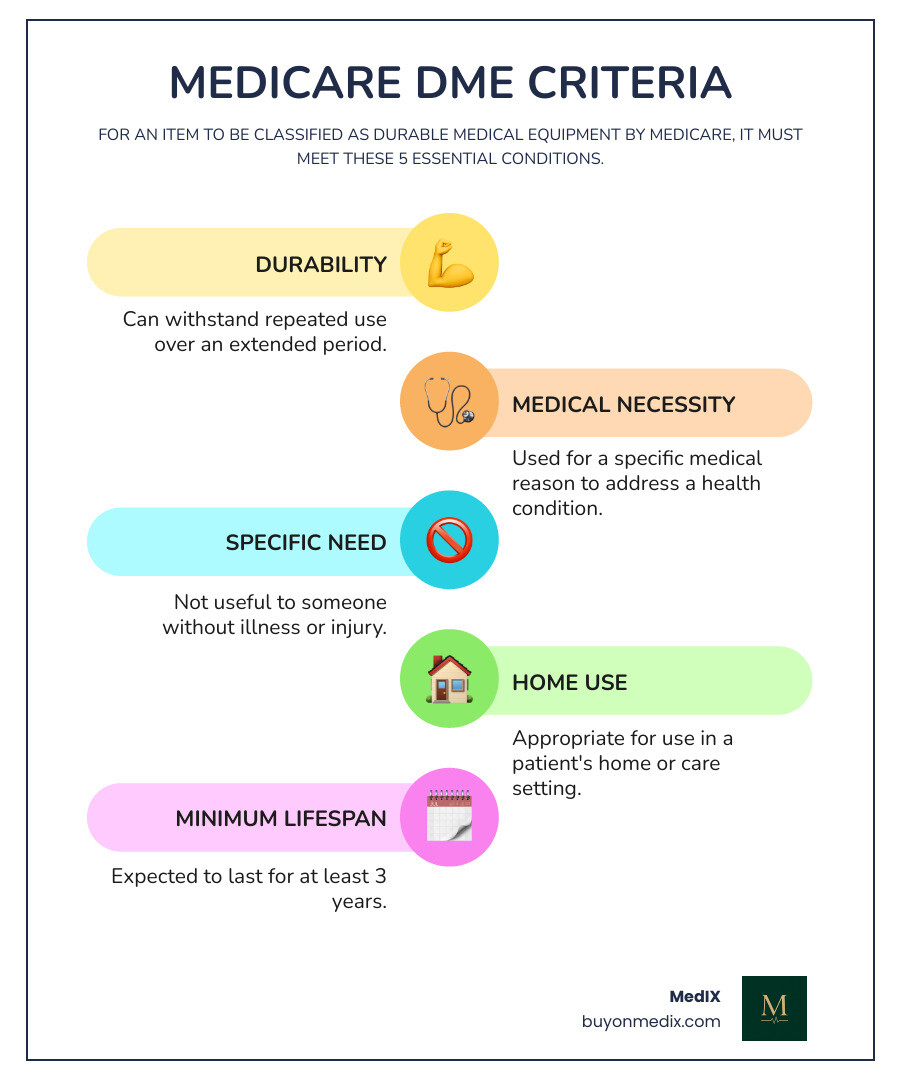
When we talk about durable medical equipment, the "durable" part is key. It means the equipment is built to last and can withstand repeated use over an extended period. This distinguishes it from items that are used once or for a short time and then discarded. Typically, for an item to be classified as DME by major programs like Medicare, it must be expected to last at least three years.
Beyond durability, an item must serve a primary and customary medical purpose. This means its main function is to address a health condition, injury, or disability. It's generally not useful to someone who is healthy or doesn't have a specific medical need. Think of a wheelchair: while it's a piece of furniture, its primary purpose is to aid mobility for someone who cannot walk. This helps us differentiate truly essential medical devices from everyday items.
Another crucial criterion is that the equipment must be appropriate for use in the home. While many medical devices are used in hospitals or clinics, DME is specifically intended to support patients in their daily lives within their own residences or similar care settings.
Sometimes, a device might have multiple components—some durable, some not. For these multi-component devices, the classification as DME hinges on which component performs the primary medically necessary function. If the component that performs the core medical task is durable, the entire system can be considered DME. However, if the essential medical function is carried out by a non-durable, disposable part, the system typically won't qualify as DME, even if other parts are long-lasting. For instance, a durable control unit for a neuromodulation system might make it DME, but an insulin delivery system whose disposable pod delivers the insulin might not be, despite a durable remote control.
To get a clearer picture, let's compare durable medical equipment with other types of medical items:
| Category | Characteristics | Examples |
|---|---|---|
| Durable Medical Equipment (DME) | Reusable, long-lasting (typically 3+ years), for home use, and medically necessary. | Wheelchairs, hospital beds, oxygen concentrators, nebulizers, CPAP machines, patient lifts. |
| Medical Supplies | Disposable, single-use items. | Bandages, gauze, catheters, syringes, diabetic test strips, incontinence pads. |
| Prosthetics & Orthotics | Devices that replace or support a body part. | Artificial limbs, braces, orthotic inserts, prosthetic eyes. |
What is NOT Considered DME?
Even with the broadest definitions, not all medical equipment or supplies qualify as durable medical equipment for coverage purposes. Understanding these exclusions is just as important as knowing what is covered. Generally, items are excluded if they are:
- Convenience items: These are items that make life easier but aren't strictly medically necessary. For example, a bathtub lift, while helpful, is often considered a convenience item rather than a medical necessity.
- Environmental control equipment: Devices that regulate the general environment, even if they have some remote medical benefit, are typically not classified as DME. This includes air conditioners, humidifiers, and portable room heaters. While a cardiac patient might benefit from a cooler room, the primary function of an air conditioner isn't medical.
- Hygienic items: Products primarily for personal hygiene, like bed baths, raised toilet seats (unless specific medical necessity is proven), or bidet toilet seats, are usually not covered as DME.
- Disposable supplies: As the "durable" in DME implies, items that are used once and then thrown away, or that are expendable, do not count. Examples include incontinent pads, catheters, bandages, and most surgical dressings. While essential for care, they don't meet the durability criterion.
- Equipment for exercise or general well-being: Items like treadmill exercisers, general exercise equipment, or massage devices are generally not considered DME because their primary purpose isn't directly treating an illness or injury in the same way as, say, oxygen equipment.
- Institutional equipment: Some equipment is designed for hospital use and is deemed inappropriate for home use, thus not qualifying as home DME.
Examples of specific items often explicitly not covered as DME by major payers include: air cleaners, elevators, telephone alert systems, white canes (for the blind), and certain types of support hose or fabric supports. These exclusions help ensure that coverage is focused on items directly addressing medical conditions and supporting a patient's independence at home.
Common Types and Categories of Durable Medical Equipment
Durable medical equipment encompasses a wide array of devices designed to support various aspects of a patient's health and daily living. From helping someone move independently to providing vital respiratory support, DME plays a crucial role.

Mobility Assistance
Mobility aids are perhaps some of the most recognizable forms of durable medical equipment. They empower individuals to move around their homes and communities, fostering independence and reducing the risk of falls.
- Wheelchairs: Both manual and power-operated wheelchairs are essential for those who cannot ambulate independently. Power scooters (or Power Operated Vehicles, POVs) also fall into this category, provided they are medically necessary for use within the home.
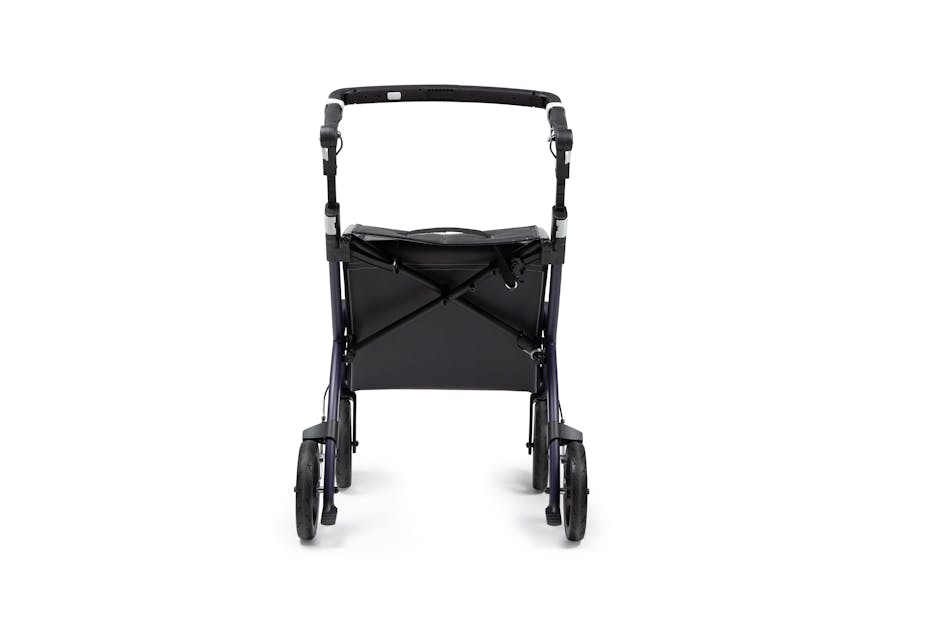
- Walkers: Offering stability and support, walkers come in various forms, including standard, wheeled, and rollators. Folding rollators, for example, are highly practical for transport and storage, fitting easily into car trunks or alongside users on public transport.
- Crutches: Used for temporary or long-term support, crutches help individuals bear weight while recovering from injury or managing a chronic condition.
- Canes: A simpler form of mobility assistance, canes provide balance and support for those with minor mobility impairments.
- Patient Lifts: Also known as patient hoists, these devices are crucial for safely transferring individuals with limited mobility between beds, chairs, wheelchairs, or toilets. They come in various types, including ceiling-mounted, mobile (floor), standing, and bariatric models, significantly reducing the risk of injury for both patients and caregivers.
Respiratory Equipment
For individuals with chronic respiratory conditions or those needing temporary breathing support, respiratory durable medical equipment is life-sustaining.
- Oxygen Concentrators: These devices provide a continuous supply of oxygen, filtering it from ambient air. They are the most commonly used DME device in the United States, essential for many patients with lung conditions.
- Nebulizers: Converting liquid medication into a fine mist, nebulizers allow patients to inhale medicine directly into their lungs, offering effective treatment for conditions like asthma or COPD.
- CPAP Machines: Continuous Positive Airway Pressure (CPAP) machines are widely used to treat sleep apnea, providing a steady stream of air to keep airways open during sleep.
- Ventilators: For severe respiratory impairment, ventilators assist or control breathing, providing critical support often in home settings for chronic conditions.
- Suction Pumps: These devices help clear airways of secretions, maintaining respiratory hygiene for patients who struggle to do so independently.
Patient Room and Home Care Equipment
Creating a safe and functional home environment is paramount for many patients. This category of durable medical equipment focuses on items that facilitate daily care and comfort within the home.
- Hospital Beds: Designed for comfort, adjustability, and ease of care, hospital beds can be manual, semi-electric, or fully electric, allowing patients to adjust their position for various medical needs.
- Trapeze Bars: Often used in conjunction with hospital beds, trapeze bars provide a secure overhead support for patients to reposition themselves, aiding in mobility and reducing caregiver strain.
- Commode Chairs: For patients confined to bed or a room, commode chairs offer a convenient and safe solution for toileting, especially when bathroom access is challenging.
- Infusion Pumps: These devices precisely deliver fluids, nutrients, or medications into a patient's body, enabling complex treatments to be administered at home.
- Support Surfaces: This includes items like alternating pressure pads and mattresses, designed to prevent or treat pressure ulcers (bedsores) for patients who are bed-bound or have limited mobility.
Monitoring and Therapeutic Devices
Beyond basic care and mobility, durable medical equipment also includes devices that monitor health parameters or deliver specific therapies at home.
- Blood Glucose Monitors: Essential for individuals with diabetes, these devices allow for regular self-monitoring of blood sugar levels, helping patients manage their condition effectively.
- Lymphedema Pumps: These pneumatic compression devices help manage lymphedema by reducing swelling and promoting fluid drainage.
- Continuous Passive Motion (CPM) Machines: Often used after joint surgery, particularly total knee replacement, CPM machines gently move the joint through a prescribed range of motion to aid recovery.
For a more comprehensive look at the diverse range of DME products, you can explore the Top DME categories available.
Navigating Medicare Coverage and Procurement
Understanding how to acquire durable medical equipment and ensure it's covered by insurance can be a complex journey for healthcare providers and patients alike. In many regions, government-funded programs like Medicare set the standard for coverage criteria, which often influence private insurance policies as well.

Understanding Medicare Coverage for Durable Medical Equipment
Medicare, a major healthcare program, plays a significant role in durable medical equipment coverage. Generally, Original Medicare covers medically necessary DME under Part B. This means the equipment must be prescribed by a doctor or other qualified healthcare provider for use in your home.
- Medicare Part B: This is the primary component of Original Medicare that covers DME. It pays for medically necessary equipment that meets the five core criteria we discussed earlier: durability, medical purpose, home use, non-general usefulness, and a lifespan of at least three years.
- Medicare Part A: While Part B covers DME for home use, Part A covers DME if you are an inpatient in a hospital or a skilled nursing facility (SNF). In these settings, the equipment is considered part of your overall facility care.
- Medicare Advantage Plans: If a patient is enrolled in a Medicare Advantage Plan (Part C), their plan must cover the same medically necessary categories of DME as Original Medicare. However, the costs, rules, and network of suppliers might differ, so it's always wise to check with the specific plan. Some plans may require prior authorization or a referral from a primary care provider (PCP).
Crucially, documentation of medical necessity is paramount. A doctor's prescription, outlining why the specific durable medical equipment is needed for the patient's condition, is non-negotiable for coverage. For more detailed information, we recommend checking the official Durable Medical Equipment Coverage on Medicare.gov.
Patient Financial Responsibility
Even with Medicare coverage, patients typically have some financial responsibility for their durable medical equipment.
- Part B Deductible: Before Medicare begins to pay its share, the patient must first meet their annual Medicare Part B deductible.
- 20% Coinsurance: After the deductible is met, Medicare Part B generally pays 80% of the Medicare-approved amount for the DME. The patient is then responsible for the remaining 20% coinsurance.
- Medicare-Approved Amount: This is the amount that Medicare determines is reasonable for a specific item or service. It's important because the patient's 20% coinsurance is based on this figure, not necessarily the supplier's initial charge.
- Assignment: This is a critical concept. If a DME supplier accepts "assignment," it means they agree to accept the Medicare-approved amount as full payment for the equipment. In this scenario, they can only charge the patient their 20% coinsurance and any unmet Part B deductible.
- Participating vs. Non-Participating Suppliers: Medicare-enrolled suppliers can be participating (always accept assignment) or non-participating (can choose whether to accept assignment on a case-by-case basis). If a supplier does not accept assignment, they can charge more than the Medicare-approved amount, and the patient may have to pay the full cost upfront, then seek reimbursement from Medicare for its covered portion. Always ask if a supplier accepts assignment to manage patient costs.
The Process for Obtaining Durable Medical Equipment
Obtaining durable medical equipment with Medicare coverage involves several steps to ensure medical necessity and proper billing:
- Physician Assessment and Prescription: It all begins with the patient's doctor. They assess the patient's medical condition and determine the specific DME required, providing a written order or prescription.
- Finding a Supplier: Patients need to find a supplier that is enrolled in Medicare. It's highly recommended to choose a supplier who accepts assignment to minimize out-of-pocket costs. Medicare provides tools to find such suppliers.
- Prior Authorization: For certain high-cost or frequently misused DME items, Medicare may require prior authorization. This means the supplier must get approval from Medicare before providing the equipment.
- Competitive Bidding Program: In some geographic areas, known as Competitive Bidding Areas (CBAs), patients with Original Medicare must use Medicare contract suppliers for certain DME items. If they use a non-contract supplier in a CBA for these items, Medicare may not help pay for them.
Renting vs. Buying DME
Medicare has specific rules regarding whether durable medical equipment can be rented or purchased, and this varies by item:
- Medicare Rules for Rental: Many DME items are initially covered on a rental basis. This allows for flexibility if a patient's condition changes or if the equipment is only needed temporarily.
- 13-Month Rental Cap: For some types of DME, Medicare pays for 13 months of continuous rental payments. After this period, the supplier must transfer ownership of the equipment to the patient.
- Ownership Transfer: Once ownership is transferred, the patient owns the equipment. Medicare may still cover 20% of the Medicare-approved amount for necessary repairs and replacement parts.
- Inexpensive or Routinely Purchased Items: Certain less costly or frequently purchased items, such as canes or crutches, are typically purchased outright, with Medicare paying its share upfront.
- Oxygen Equipment Rental Rules: Oxygen equipment has a unique rental structure. Medicare pays for a maximum of 36 months of continuous rental. After this 36-month period, the supplier must continue to provide the equipment and any necessary supplies (like tubing or masks) for an additional 24 months, as long as the equipment remains medically necessary. This means a total of 5 years (60 months) of service. The supplier is responsible for maintaining and servicing the equipment throughout this entire 5-year period.
Global DME Regulation and Market Outlook
The landscape of durable medical equipment is shaped not only by patient needs and technological advancements but also by a complex web of regulations and a dynamic global market.
Regulatory Oversight in the US and Abroad
Ensuring the safety, efficacy, and proper use of durable medical equipment requires robust regulatory frameworks.
- In the United States:
- Centers for Medicare & Medicaid Services (CMS): CMS is pivotal in defining what constitutes DME for coverage purposes under Medicare and establishing payment policies. They oversee the DME Medicare Administrative Contractors (DME MACs), which process claims for DME, prosthetics, orthotics, and supplies (DMEPOS). Each DME MAC covers a specific geographical jurisdiction.
- Food and Drug Administration (FDA): The FDA is responsible for regulating medical devices, including DME, to ensure they are safe and effective for their intended use. This involves pre-market approval or clearance and post-market surveillance.
- In the European Union: The EU has its own comprehensive regulatory framework for medical devices, including DME. This is governed by specific regulations that aim to ensure high standards of quality and safety for devices placed on the European market. You can learn more about these guidelines through the European Union medical device regulations.
These regulatory bodies ensure that durable medical equipment meets stringent standards before it reaches patients, fostering trust and promoting public health.
Market Size and Industry Growth
The global market for durable medical equipment is a significant and rapidly expanding sector, driven by powerful demographic and health trends.
- Global Market Value: As highlighted, the global durable medical equipment market was valued at approximately USD 222.2 billion in 2023. This impressive figure underscores the widespread need for these devices.
- Projected Growth (CAGR): Experts anticipate robust growth, with the market expected to expand at a compound annual growth rate (CAGR) of 7.3%, reaching an estimated USD 363.0 billion by 2030. This indicates a healthy and expanding industry.
- Aging Population Impact: One of the primary drivers of this growth is the global aging population. As people live longer, the prevalence of age-related conditions that require assistance from DME naturally increases.
- Rise of Chronic Conditions: The growing incidence of chronic diseases such as diabetes, cardiovascular disease, and respiratory illnesses (like COPD) also fuels demand for DME, as these conditions often necessitate long-term home care support.
- Technological Advancements: Continuous innovation in medical technology leads to more sophisticated, user-friendly, and effective DME, further stimulating market growth and improving patient outcomes.
For a deeper dive into these trends, we encourage exploring the Global DME market report. This growth presents both opportunities and challenges for healthcare providers and suppliers worldwide, emphasizing the need for efficient procurement and reliable partnerships.
Supplier Responsibilities and Best Practices
The role of durable medical equipment suppliers is crucial in ensuring patients receive high-quality, safe, and medically appropriate devices. For healthcare providers, partnering with reputable and compliant suppliers is paramount.
- Supplier Standards and Medicare Enrollment: To be a Medicare-enrolled supplier, companies must meet strict standards. This includes holding necessary licenses, maintaining accreditation, and often meeting specific financial and operational requirements. Medicare will only pay for DME if it's obtained from a Medicare-enrolled supplier.
- Accepting Assignment: As discussed, a key best practice for suppliers is to accept assignment. When a supplier accepts assignment, they agree to the Medicare-approved amount as full payment and only bill the patient for their deductible and 20% coinsurance. This transparency and commitment to fair pricing are vital for patients.
- Maintenance and Repairs for Rented Equipment: For rented durable medical equipment, the supplier bears the responsibility for maintenance, repairs, and ensuring the equipment remains in good working order. They must respond to patient calls, service, or replace rented equipment whenever necessary. This includes continuous provision of oxygen equipment and related supplies for the full 5-year period, even after rental payments cease after 36 months.
- Servicing Rented Equipment: Suppliers must be responsive and proactive in servicing rented equipment. This ensures patient safety and continuity of care, as malfunctioning equipment can have serious consequences.
Healthcare providers should familiarize themselves with the guidelines for suppliers, often detailed in resources like the DME MAC supplier manual provided by the various Medicare Administrative Contractors.
Covered Supplies and Accessories
It's not just the main durable medical equipment items that are covered; often, the supplies and accessories needed for their effective use are also included.
- Necessary for Effective Use: Medicare covers supplies and accessories that are essential for the proper functioning and therapeutic benefit of covered DME items.
- Nebulizer Medications and Test Strips: Even though they are disposable, certain prescription medications used with nebulizers and supplies like lancets and test strips for diabetes self-testing are covered because they are integral to the effective use of the associated DME.
- Replacement Parts: If a patient owns or is purchasing DME, Medicare will typically cover replacement parts (e.g., hoses, tubing, mouthpieces) that are necessary for the equipment to function.
- Payment Inclusions for Rental Items: For DME items that are rented, particularly those requiring frequent and substantial servicing (like oxygen equipment), the continuous monthly rental payments often include the cost of all necessary supplies and accessories. Separate payment for these items is typically not allowed in such cases.
Conclusion: Sourcing High-Quality DME for Modern Healthcare
Durable medical equipment is an indispensable component of modern healthcare, enabling countless individuals to manage chronic conditions, recover from injuries, and maintain independence within their homes. We've explored its definition, the stringent criteria for classification, the diverse range of equipment available, and the intricacies of coverage, particularly under programs like Medicare. Understanding these aspects is crucial for healthcare providers to ensure their patients receive the care they need.
The global market for DME is on a significant growth trajectory, driven by an aging population and the increasing prevalence of chronic diseases. This highlights the ever-growing demand for reliable, high-quality medical devices. For healthcare institutions, the challenge lies in efficiently sourcing this essential equipment while navigating complex regulatory landscapes and ensuring compliance.
This is where MedIX steps in. As a global B2B marketplace, we simplify the procurement of durable medical equipment by connecting certified medical equipment suppliers with hospitals and clinics worldwide. Our platform leverages AI-matching, rigorous compliance checks, and reliable global logistics to ensure verified equipment and transparent transactions. We believe in empowering healthcare providers to focus on what they do best: delivering exceptional patient care.
To find a world of high-quality durable medical equipment and streamline your procurement process, we invite you to Explore DME categories on MedIX. Whether you're looking for mobility aids, respiratory equipment, or patient room solutions, MedIX is your trusted partner. For all your medical equipment needs, visit https://buyonmedix.com.

Expert voices
Insights from leaders transforming medical equipment procurement


More from our blog
Discover the latest trends in medical technology and procurement
Stay ahead of medical technology
Get the latest insights, research, and market updates delivered straight to your inbox
Ready to transform your procurement
Discover how MedIX can streamline your medical equipment sourcing process