Transforming medical equipment procurement globally

Why a Reliable Clinic Medical Supply Strategy Matters
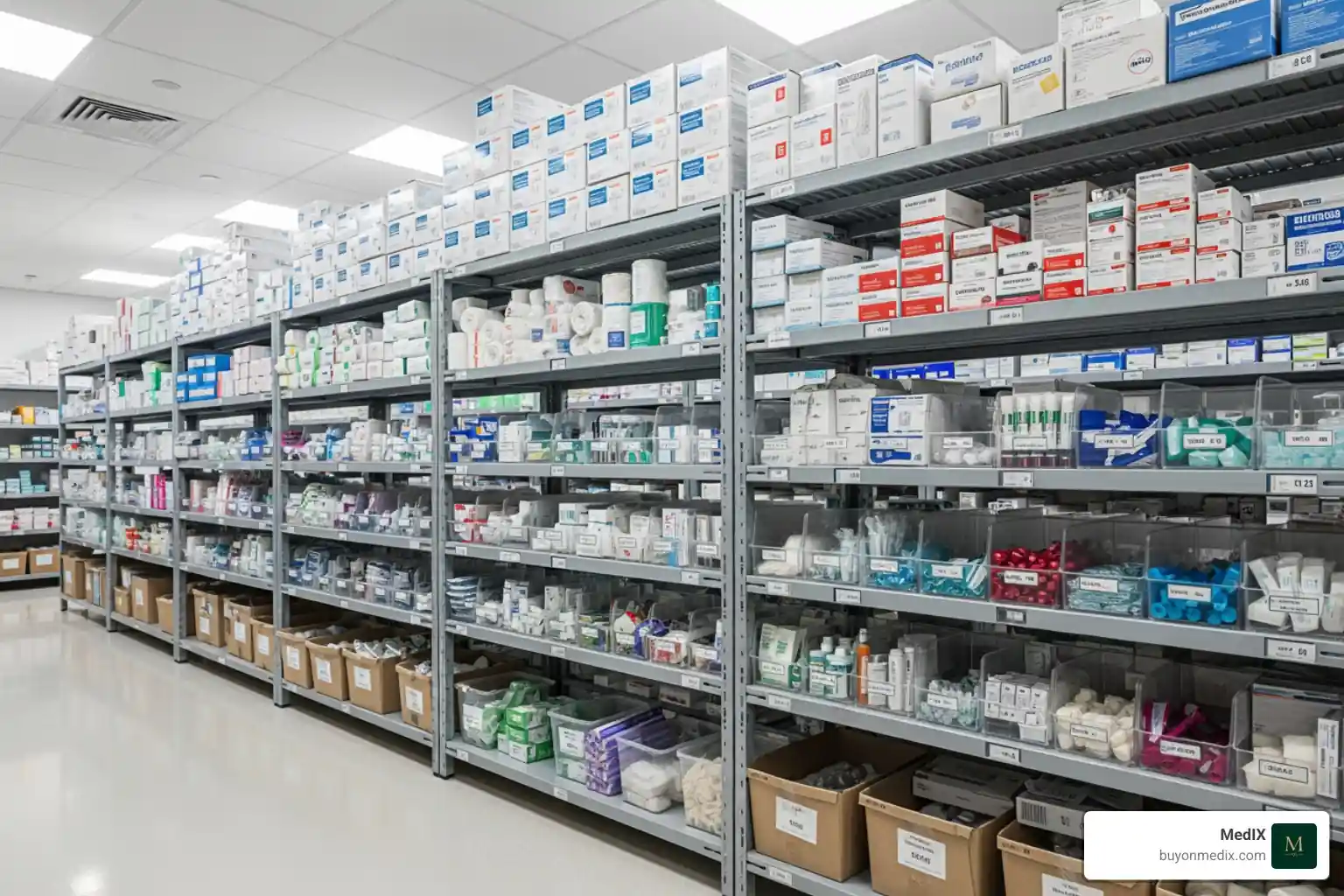
Clinic medical supply management is the foundation of every successful healthcare practice. Without the right products in stock at the right time, patient care suffers, costs spiral, and your team faces unnecessary stress.
Quick Answer: Finding the Best Medical Supplies for Your Clinic
To secure reliable clinic medical supplies, focus on these core areas:
- Identify Essential Categories - PPE, diagnostic tools, consumables, and sterilization products
- Choose Verified Vendors - Look for suppliers with broad product ranges, fast shipping, and strong compliance records
- Implement Inventory Systems - Use barcode scanning, PAR levels, and FIFO methods to reduce waste
- Balance Cost and Quality - Evaluate total cost of ownership, not just unit price
- Tailor to Your Specialty - Primary care, urgent care, and specialty clinics have distinct supply needs
Running out of exam gloves during a busy morning. Finding expired wound dressings during an audit. Paying rush shipping fees because basic supplies weren't reordered in time. These scenarios are more than inconvenient-they directly impact patient safety and your bottom line.
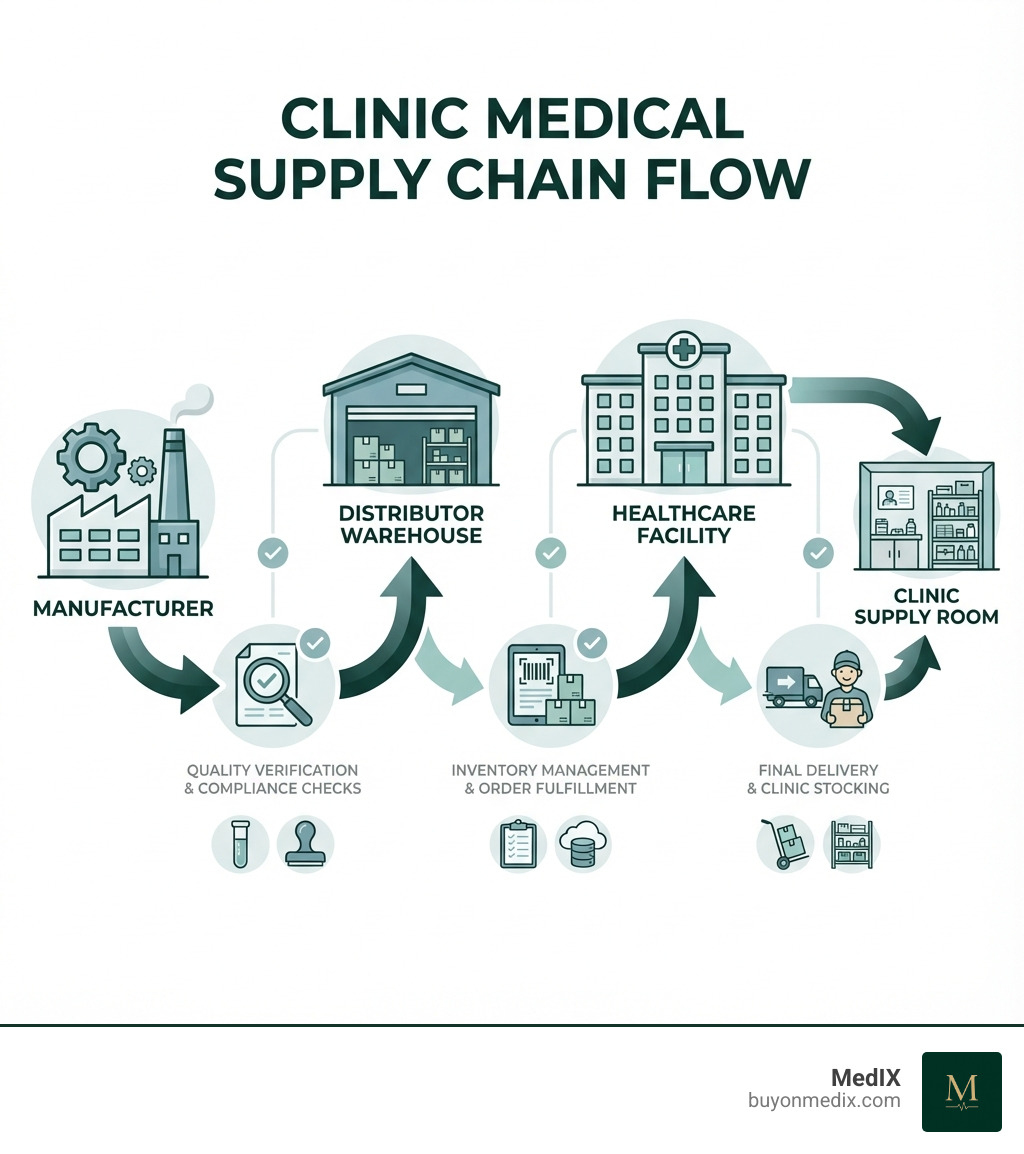
The medical supply industry has grown enormously complex. Major distributors offer hundreds of thousands of products from massive warehouse networks, serving millions of customers with extensive catalogs. For procurement managers, navigating this landscape means juggling supplier vetting, compliance verification, transparent pricing, and reliable logistics-all while ensuring your clinic never runs short of critical supplies.
The stakes are high. Your supply chain affects everything from infection control to patient outcomes. A well-organized approach to procurement doesn't just prevent stockouts-it creates operational efficiency, controls costs, and allows your clinical team to focus on what matters most: patient care.
This guide will walk you through essential supplies, choosing vendors, inventory management, and cost-saving approaches that don't compromise quality. Whether you're opening a new practice or streamlining an established facility, you'll find practical steps to build a resilient supply chain.
The Essential Checklist: Core Medical Supplies for Every Clinic
Before we dive into the "how," let's clarify the "what." Every clinic, regardless of its specialty, relies on a foundational set of medical supplies. Think of these as the absolute non-negotiables that keep your doors open and your patients safe. Our goal is to ensure your clinic is never caught short on these critical items.
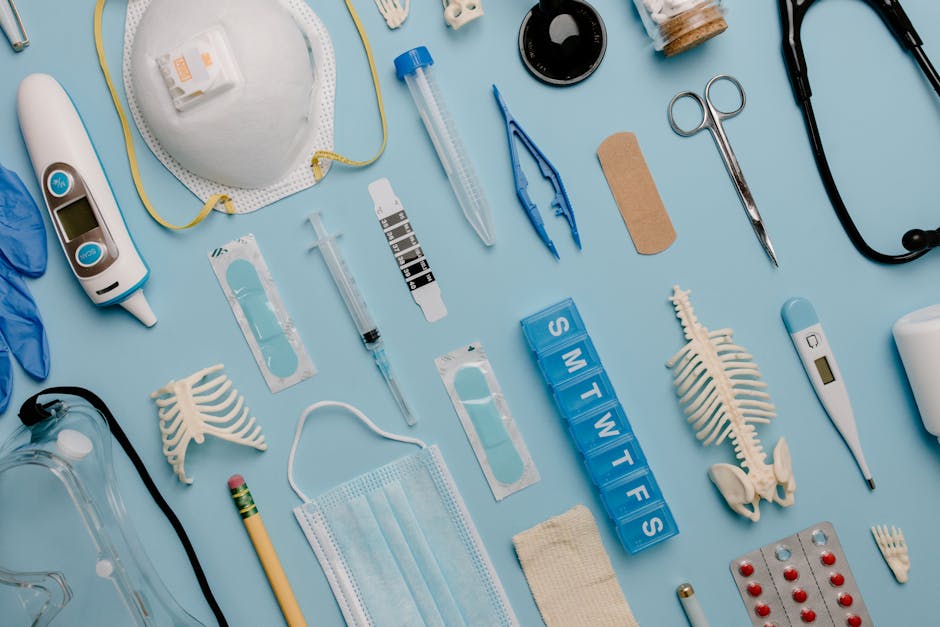
The sheer volume of products available can be overwhelming, but for a clinic, we can categorize these essentials into a few key areas.
General Examination and Diagnostic Supplies
These are the items used for routine patient assessments and initial diagnoses. They are the workhorses of your clinic.
- Personal Protective Equipment (PPE): The first line of defense for staff and patients. This includes disposable face masks, medical gowns, and various types of gloves (latex, nitrile, vinyl). The importance of consistent, high-quality PPE cannot be overstated.
- Diagnostic Tools:
- Stethoscopes
- Thermometers (digital, temporal, infrared)
- Blood pressure monitors (manual and automatic cuffs)
- Otoscopes (for ear examinations)
- Ophthalmoscopes (for eye examinations)
- Pulse Oximeters for measuring oxygen saturation.
- Basic Examination Supplies: Exam table paper, pillow covers, tongue depressors, cotton applicators, and various types of medical tape.
Consumables and Disposables
These are items used once and then discarded, making up a significant portion of a clinic's recurring expenditure. Managing these effectively is key to cost control.
- Injection Supplies: Syringes, needles, alcohol pads, and bacteriostatic Sodium Chloride 0.9% for Injection vials.
- Wound Care: A range of bandages, gauze pads, adhesive dressings, antiseptic wipes, and wound cleansers.
- Specimen Collection: Specimen containers for urine, stool, and blood samples.
- Sharps Disposal: Secure sharps containers of various sizes are essential for safe disposal of needles and other sharp medical waste.
- General Disposables: Paper cups, patient drapes, and underpads.
Infection Control and Sterilization
Maintaining a sterile and hygienic environment is paramount in any healthcare setting. These supplies are crucial for preventing the spread of infections.
- Hand Hygiene: Hand sanitizers (alcohol-based), antibacterial soaps, and lotion.
- Surface Disinfectants: Disinfectant wipes, sprays, and surface cleaners for exam rooms, equipment, and common areas.
- Sterilization Supplies: Autoclave pouches, sterilization indicators, and distilled water for sterilizing reusable instruments.
- Biohazard Waste: Biohazard bags and containers for proper disposal of contaminated materials.
Sourcing Your Clinic Medical Supply: Finding the Right Partner and Ensuring Reliability
Securing a reliable supply chain for your clinic medical supply isn't just about placing an order; it's about forming strategic partnerships. In an increasingly interconnected world, where supply chain disruptions can occur rapidly, having trusted vendors is more critical than ever. We're looking for partners who can deliver consistent quality, competitive pricing, and unwavering reliability.
Key Factors for Choosing a Medical Supply Partner
When evaluating potential vendors, consider several crucial factors that go beyond just price per unit. You want a partner who understands the complexities of healthcare and can support your operations seamlessly.
- Extensive Product Range: A vendor offering a wide selection of tens of thousands of products means fewer suppliers to manage. This simplifies ordering and reduces administrative burden.
- Reliable Shipping and Logistics: Timely delivery is non-negotiable. Look for vendors with robust distribution networks and a proven track record for fast shipping. You need to know your supplies will arrive when you need them, wherever you are.
- Exceptional Customer Service: When issues arise, prompt and effective support is invaluable. This includes easy reordering processes, responsive assistance for product inquiries, and a clear understanding of your clinic's unique needs.
- Transparent Pricing and Warranty Policies: Look for clear, consistent pricing, ideally with options for discounts on bulk purchases. Understanding warranty coverage for different product conditions (new, refurbished) is also vital. A vendor should be upfront about what's covered and how to process claims.
- Compliance and Quality Assurance: The medical field is heavily regulated. Partner with vendors who adhere to international standards and provide genuine products. Rigorous inspection processes give confidence in product quality.
- User Reviews and Reputation: What do other healthcare professionals say? Checking independent reviews and testimonials can provide valuable insights into a vendor's reliability and service quality.
For those looking to streamline their procurement process, platforms that simplify supplier vetting, conduct rigorous compliance checks, and manage global logistics are game-changers.
Balancing Quality with Cost-Effectiveness
It's a common dilemma: how do we get high-quality medical supplies without breaking the bank? The answer lies in smart purchasing decisions and a focus on total value, not just the lowest price.
- Evaluating Total Cost of Ownership: The cheapest item isn't always the most cost-effective. Consider durability, ease of use, patient comfort, and the potential for complications. A slightly more expensive, higher-quality product that lasts longer or performs better can save money in the long run.
- Brand Reputation and Product Certifications: Reputable brands often invest more in research, development, and quality control. Look for products with recognized international certifications. These certifications provide an assurance of safety and efficacy.
- Ensuring Product Authenticity: Counterfeit medical supplies pose a serious risk. Partner with trusted vendors who guarantee the authenticity of their products. This is where rigorous compliance checks by your procurement platform become invaluable.
- Strategic Sourcing: Working with suppliers who have significant market leverage can lead to better pricing. Through large global purchasing power and relationships with manufacturers, they can obtain below-market pricing and pass savings to clients.
Building a Resilient Supply Chain
A resilient supply chain is one that can withstand disruptions, whether from natural disasters, geopolitical events, or sudden spikes in demand.
- Diversifying Sources: Relying on a single vendor, even a good one, can be risky. Having backup suppliers or working with platforms that connect you to a network of certified vendors offers a safety net.
- Group Purchasing Options: For smaller clinics, joining a group purchasing organization (GPO) can leverage collective buying power to secure better prices and terms.
- Establishing Reorder Points (PAR levels): We'll discuss this more in the inventory management section, but setting minimum stock levels helps automate reordering and prevents unexpected shortages.
- Long-Term Agreements: Negotiating long-term contracts with preferred vendors can stabilize pricing and ensure supply consistency.
- Benefits of Bulk Purchasing: Purchasing medical supplies in bulk often leads to significant cost savings per unit. It also reduces shipping frequency and administrative costs. However, it requires adequate storage space and careful inventory management to avoid expiration and waste. For most clinics, balancing bulk purchases of high-volume, long-shelf-life items with more frequent orders of specialty products is a smart strategy.
Tailoring Your Inventory: Supply Needs for Different Clinic Types
Just as no two patients are exactly alike, no two clinics have identical clinic medical supply needs. While the foundational checklist applies to all, the specific services offered, patient demographics, and procedural focus will dictate significant variations in inventory. Understanding these differences is crucial for efficient procurement and avoiding unnecessary stock.
Many large suppliers tailor their offerings to specific healthcare settings, from post-acute care to surgery centers and physician offices, highlighting this segmented approach.
Essential Clinic Medical Supply for Primary Care
Primary care clinics are the frontline of healthcare, dealing with a broad spectrum of conditions from routine check-ups to chronic disease management. Their supply needs are comprehensive but generally less specialized.
- Vaccines: A wide range of immunizations for various age groups.
- Rapid Diagnostic Tests: Quick tests for conditions like influenza, strep throat, and urinary tract infections.
- Phlebotomy Supplies: Needles, blood collection tubes, tourniquets, and specimen labels for drawing blood samples.
- General Wound Care: A robust stock of basic dressings, antiseptic solutions, and sterile gauze for minor injuries.
- Chronic Disease Management Supplies: Supplies for monitoring conditions like diabetes (glucose meters, test strips) and hypertension (blood pressure cuffs).
- Basic Pharmaceuticals: A limited stock of common medications for immediate dispensing or emergency use.
Specialized Supplies for Urgent Care and Surgical Centers
Urgent care clinics bridge the gap between primary care and emergency rooms, handling acute but non-life-threatening conditions. Surgical centers require a highly specialized and sterile inventory.
- Urgent Care:
- Advanced Wound Care: Sophisticated dressings, wound closure strips, and topical hemostatic agents.
- Suturing Kits: Sterile kits containing sutures, needles, and instruments for closing wounds.
- Splinting Materials: Various sizes of splints and casting tape for fractures and sprains.
- IV Therapy Supplies: IV catheters, fluids, and administration sets for hydration and medication delivery.
- Minor Procedure Trays: Pre-packaged sterile trays for procedures like incision and drainage or laceration repair.
- Surgical Centers:
- Custom Procedure Trays: These essential, pre-assembled kits are customized for specific surgical procedures, containing all necessary instruments and disposables for maximum efficiency.
- Sterile Surgical Instruments: A vast array of scalpels, forceps, retractors, scissors, and other specialized tools.
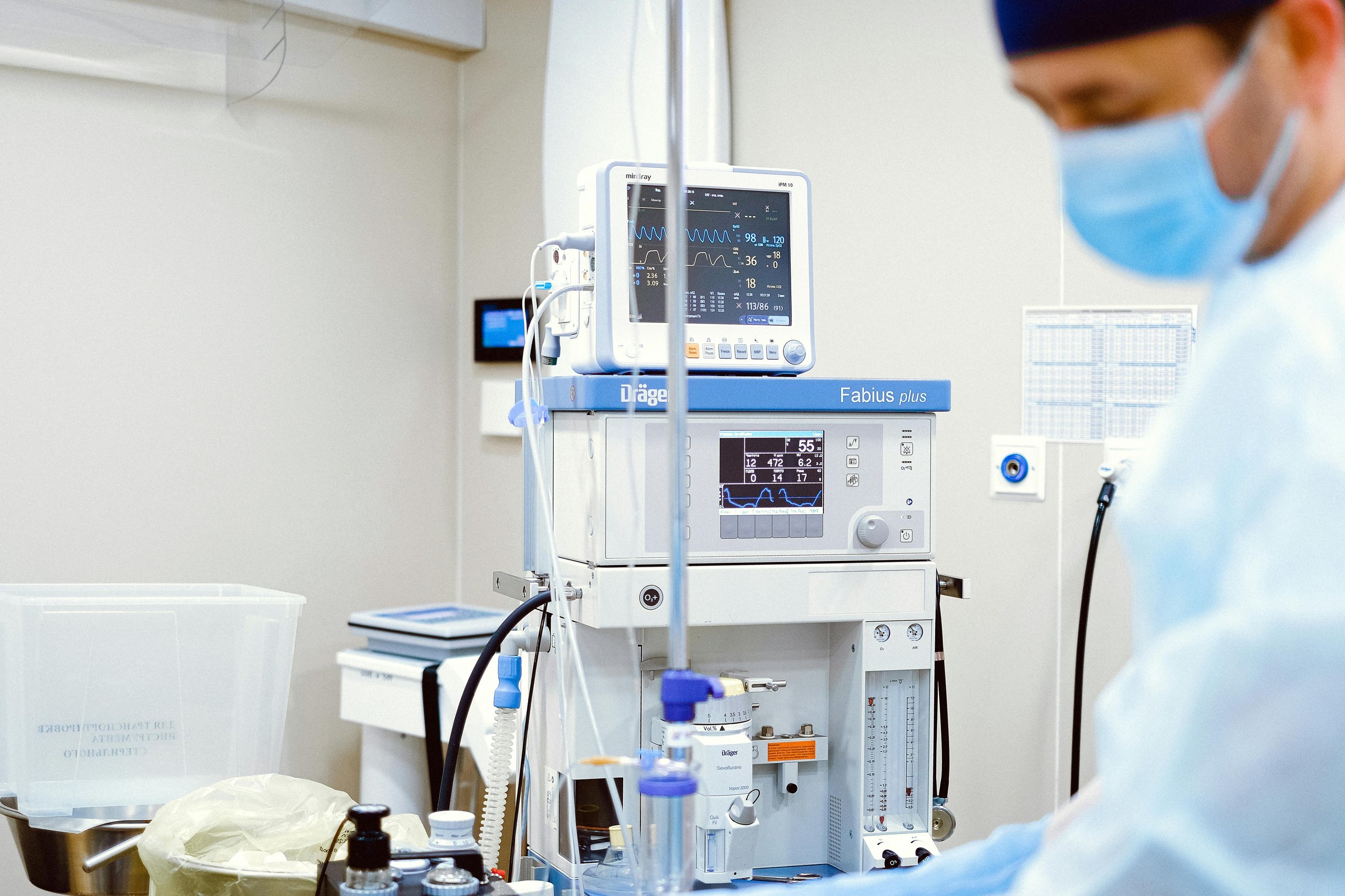
- Anesthesia Supplies: Laryngoscopes, endotracheal tubes, anesthetic gases, and monitoring equipment.
- Advanced Imaging Supplies: X-ray films or digital radiography plates, and contrast agents.
- Post-Operative Care: Advanced pain management supplies, specialized dressings, and anti-emetics.
Unique Needs of Specialty Clinics (e.g., Dermatology, Cardiology)
Specialty clinics dig deep into specific areas of medicine, requiring highly specialized clinic medical supply items.
- Dermatology Clinic:
- Biopsy Tools: Punch biopsy kits, scalpels, and specialized forceps.
- Cryosurgery Supplies: Liquid nitrogen and cryosurgical units for treating skin lesions.
- Dermatoscopes: Specialized magnifiers for examining skin lesions.
- Cosmetic Supplies: Fillers, injectables, and specialized skincare products if offering aesthetic services.
- Cardiology Clinic:
- EKG Electrodes and Machines: For recording the heart's electrical activity.
- Holter Monitor Kits: Portable devices for continuous heart monitoring.
- Stress Test Equipment: Treadmills, blood pressure cuffs, and EKG machines designed for stress testing.
- Echocardiography Supplies: Ultrasound gel and transducers for heart imaging.
- Other Specialties:
- Ophthalmology: Eye drops, tonometers, and specialized instruments for eye exams.
- Orthopedics: Casting materials, braces, splints, and physical therapy tools.
- Urology: Catheters, urine collection bags, and specialized diagnostic scopes.
- Home Care/Post-Acute Care: This sector requires supplies for conditions like diabetes, ostomy, wound care, urology, and incontinence, often delivered directly to patients or managed by home health agencies.
Modernizing Your Supply Chain: Inventory Management and Technology
Effective inventory management for your clinic medical supply is the silent hero of operational efficiency. It's about having the right amount of everything-not too much, leading to waste, and not too little, causing costly delays. In today's healthcare environment, technology plays a pivotal role in achieving this balance.
Effective Strategies for Managing Your Clinic Medical Supply Inventory
Managing medical supplies effectively can feel like a delicate dance, but with the right strategies, we can reduce waste, control costs, and ensure consistent availability.
- First-In, First-Out (FIFO): This principle ensures that older stock is used before newer stock. It's critical for items with expiration dates, like medications and sterile supplies, minimizing waste due to spoilage.
- Setting PAR Levels: PAR (Periodic Automatic Replenishment) levels are the minimum and maximum quantities of each item you should have in stock. When an item falls below its minimum, it triggers a reorder. This prevents stockouts while avoiding overstocking.
- Regular Audits: Conduct physical counts of inventory regularly. This helps identify discrepancies, track usage patterns, and catch potential theft or errors early.
- Tracking Expiration Dates: This is non-negotiable. Implement a system to track expiration dates and rotate stock accordingly. Pull items approaching their expiration date for use in non-critical situations if appropriate and safe, or donate them if regulatory guidelines allow.
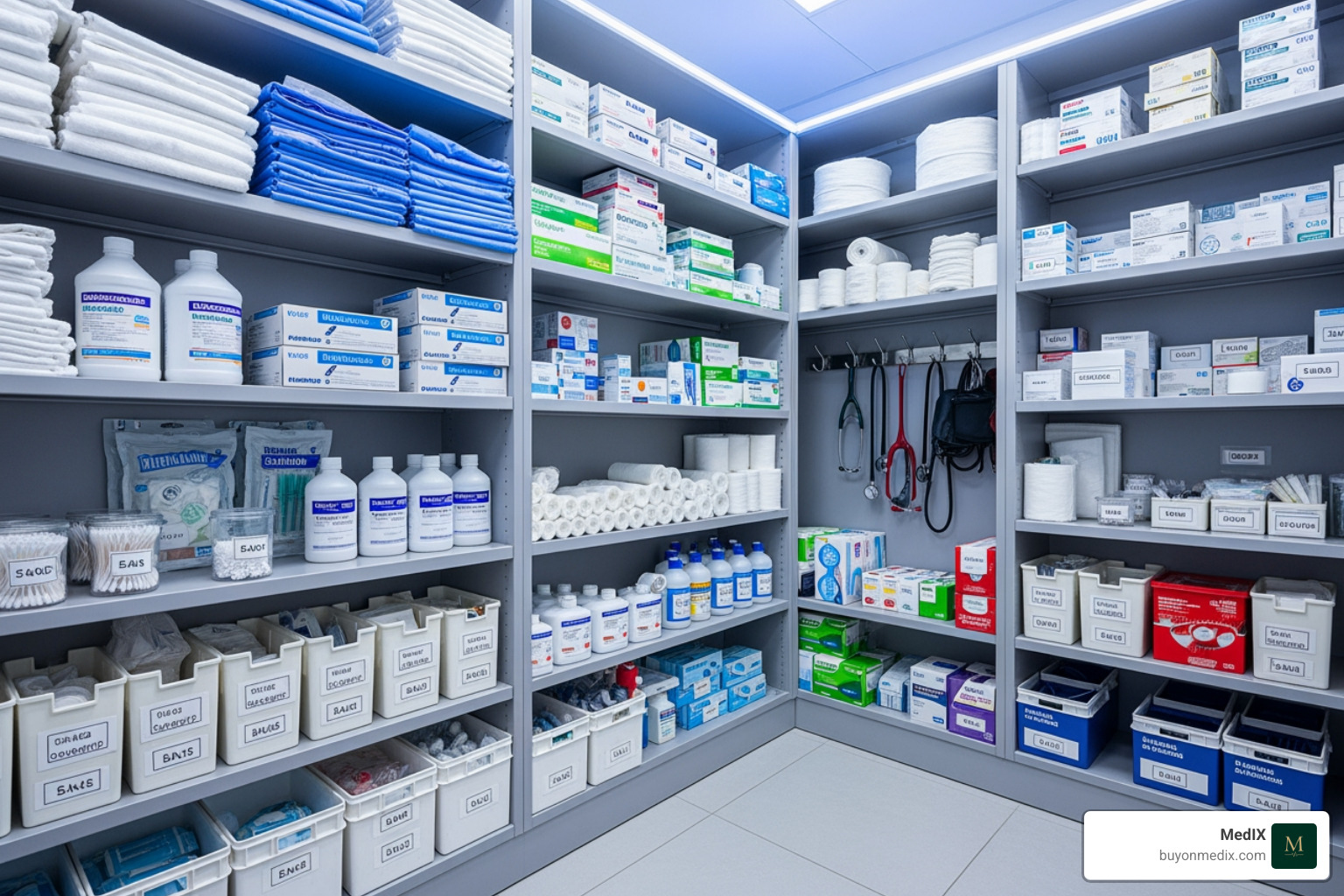
- Centralized Storage: Designate a primary, organized storage area for bulk supplies. This reduces clutter in exam rooms and makes inventory tracking more manageable.
- Just-in-Time (JIT) Ordering: For certain high-volume items, JIT ordering can minimize storage costs. This relies heavily on a highly reliable vendor with fast shipping capabilities.
The Role of Technology in Supply Management
Technology has revolutionized how we manage inventory, moving us beyond clipboards and spreadsheets to sophisticated, integrated systems.
- Inventory Management Software (IMS): These solutions allow you to track every item from receipt to dispense. They can monitor usage, predict demand, and automate reorder alerts.
- Barcode Scanning Systems: Implementing barcode scanners significantly speeds up inventory counts, reduces human error, and updates stock levels in real-time. Many systems simplify ordering and purchasing through barcode-based inventory management.
- RFID Tracking: For high-value or critical items, Radio-Frequency Identification (RFID) tags can provide precise, real-time location tracking within the clinic, reducing search times and preventing loss.
- Demand Forecasting Tools: Advanced IMS can analyze historical data and seasonal trends (like flu season) to predict future supply needs, helping you order more accurately.
- Automated Ordering Platforms: Many vendors offer platforms that integrate with your IMS, allowing for automated reorders when PAR levels are hit. This creates a seamless procurement loop, minimizing manual effort and human error.
Regulatory Requirements and Latest Trends
Operating a clinic means adhering to a strict set of regulations designed to ensure patient and staff safety. Staying informed about the latest trends can also offer significant advantages.
- Regulatory Requirements:
- Storage Conditions: Supplies must be stored in clean, dry, and secure areas, away from direct sunlight and extreme temperatures. Maintaining proper temperature and humidity controls is critical for many items.
- Sterile vs. Non-Sterile Separation: Clear physical separation of sterile and non-sterile items is crucial to prevent contamination.
- Security: Controlled substances and high-value equipment require secure, limited-access storage.
- Accreditation Standards: For clinics that aim for accreditation, adherence to standards set by organizations like The Joint Commission is paramount. These standards often cover everything from storage to usage and disposal of medical supplies. You must also comply with local health and safety guidelines.
- Latest Trends:
- Sustainable Supplies: There's a growing push for eco-friendly and sustainable medical supplies, including biodegradable disposables and reusable instruments where appropriate.
- Telemedicine Supplies: With the rise of telehealth, clinics may need to consider supplies that facilitate remote diagnostics, such as remote monitoring devices.
- Personalized Medicine: Future trends may involve more customized supplies based on individual patient needs.
- Supply Chain Resilience: The pandemic underscored the need for resilient supply chains. Clinics are increasingly looking for vendors with diversified manufacturing, robust logistics, and transparent communication during disruptions. This is where platforms focusing on verified equipment and transparent transactions become essential.
Frequently Asked Questions about Clinic Medical Supplies
We understand that managing clinic medical supply can bring up many questions. Here, we address some of the most common concerns we hear from clinic administrators and healthcare professionals.
How can my clinic balance the cost and quality of medical supplies?
Balancing cost and quality is achievable with a strategic approach. Focus on the total value, not just the sticker price. A cheaper product might seem appealing, but if it's less durable or reliable, the long-term costs from replacements or complications will outweigh the initial savings.
Here's how to strike that balance:
- Evaluate Vendor Reputation: Partner with vendors known for quality and reliability. Look for products that meet international standards and carry recognized certifications.
- Assess Total Cost of Ownership: Consider the lifespan of equipment, maintenance costs, and potential for waste. A durable item that costs more initially is often more cost-effective.
- Strategic Mix of Brands: For critical procedures, invest in reputable products. For general-use items like basic gloves or cleaning supplies, you might find reliable, cost-effective alternatives that meet your quality standards.
- Leverage Bulk Purchasing (Wisely): Buying in bulk can reduce per-unit costs, but only do this for high-volume items with long shelf lives to avoid waste from expiration.
- Negotiate with Suppliers: Don't be afraid to negotiate prices, especially if you are a loyal customer or making a significant purchase.
What are the first steps to setting up an effective inventory system?
Starting an inventory system is easier when broken down into manageable steps.
- Designate an Inventory Manager: This person will oversee all aspects of supply management and serve as the central point of accountability.
- Conduct a Full Audit: Before you can manage what you have, you need to know what you have. Create a master list of every item, including name, manufacturer, and current quantity.
- Organize Your Supply Room: Group similar items together, label shelves clearly, and ensure easy access. A logical organization is key.
- Implement Basic Inventory Principles: Start with simple yet effective methods like First-In, First-Out (FIFO) for dated items and setting initial PAR levels for your most used supplies.
- Choose Your Tools: You don't need expensive software to start. A detailed spreadsheet can work for smaller clinics. As your clinic grows, consider upgrading to an Inventory Management System that can integrate with barcode scanners for greater efficiency.
The key is to start somewhere, even with a manual system, and then gradually refine and automate as your needs and resources grow.
What are the most important regulatory requirements for storing medical supplies?
Regulatory compliance is about safeguarding patients and staff. Key requirements often come from international health organizations and national regulatory bodies.
- Clean, Dry, and Secure Environment: All supplies must be stored in a clean area, free from pests and contaminants, and secure from unauthorized access.
- Temperature and Humidity Control: Many supplies, especially pharmaceuticals and diagnostic kits, have specific temperature and humidity requirements. Refrigerated items must be kept in medical-grade refrigerators with temperature monitoring.
- Separation of Sterile and Non-Sterile Items: It is critical to physically separate sterile items from non-sterile ones to prevent cross-contamination. Use clear labeling and distinct storage locations.
- Expiration Date Management: A robust system for tracking expiration dates is mandatory. Expired products must be removed from circulation and disposed of according to local regulations. The FIFO method helps ensure older stock is used first.
- Safe Handling of Hazardous Materials: Items like sharps and biohazardous waste require specific handling, storage, and disposal protocols to prevent injury and contamination.
- Accessibility and Organization: Supplies must be organized and easily accessible to authorized personnel, especially during emergencies.
Adhering to these regulations is a continuous process that requires vigilance and regular review. Organizations like The Joint Commission provide comprehensive standards that offer excellent benchmarks for quality and safety worldwide.
Conclusion
Managing your clinic medical supply is far more than just ordering items; it's a strategic imperative that underpins every aspect of your practice. From ensuring patient safety and promoting operational efficiency to controlling costs and enhancing the overall quality of care, a well-managed supply chain is the backbone of a successful clinic.
By understanding the essential supplies your clinic needs, carefully selecting reliable vendor partners, implementing robust inventory management strategies, and leveraging technology, we can transform a potentially chaotic process into a streamlined operation. This allows our clinical teams to focus on what they do best: providing exceptional patient care, free from the worry of running out of critical resources.
For healthcare facilities looking to simplify procurement with AI-matching, rigorous compliance checks, and a global network of verified suppliers, MedIX provides a modern solution. We empower clinics worldwide to make informed purchasing decisions, ensuring they always have the right supplies, at the right time, at the right price.

Expert voices
Insights from leaders transforming medical equipment procurement


More from our blog
Discover the latest trends in medical technology and procurement
Stay ahead of medical technology
Get the latest insights, research, and market updates delivered straight to your inbox
Ready to transform your procurement
Discover how MedIX can streamline your medical equipment sourcing process