Transforming medical equipment procurement globally

Why Bulk Medical Equipment Procurement Matters for Modern Healthcare
Bulk medical equipment refers to purchasing large quantities of medical devices, supplies, and instruments from suppliers or distributors to meet the operational needs of healthcare facilities. Here's what you need to know:
Quick Answer: Finding Bulk Medical Equipment Suppliers
- Major Distributors: Large-scale suppliers offering hundreds of thousands of products and rapid shipping.
- Online Marketplaces: Digital platforms that connect buyers with numerous verified sellers from around the world.
- Specialized Platforms: Niche suppliers focusing on specific categories like refurbished equipment or international procurement.
- Key Considerations: Supplier verification, regulatory compliance (FDA, CE), warranty policies, shipping capabilities, quality assurance processes
If you're a procurement manager at a hospital, clinic, or healthcare system, you know the pressure. You need reliable equipment. You need it certified and compliant. You need transparent pricing. And you need it shipped on time, sometimes across borders.
The challenge isn't just finding suppliers—it's finding verified suppliers who won't create headaches down the line.
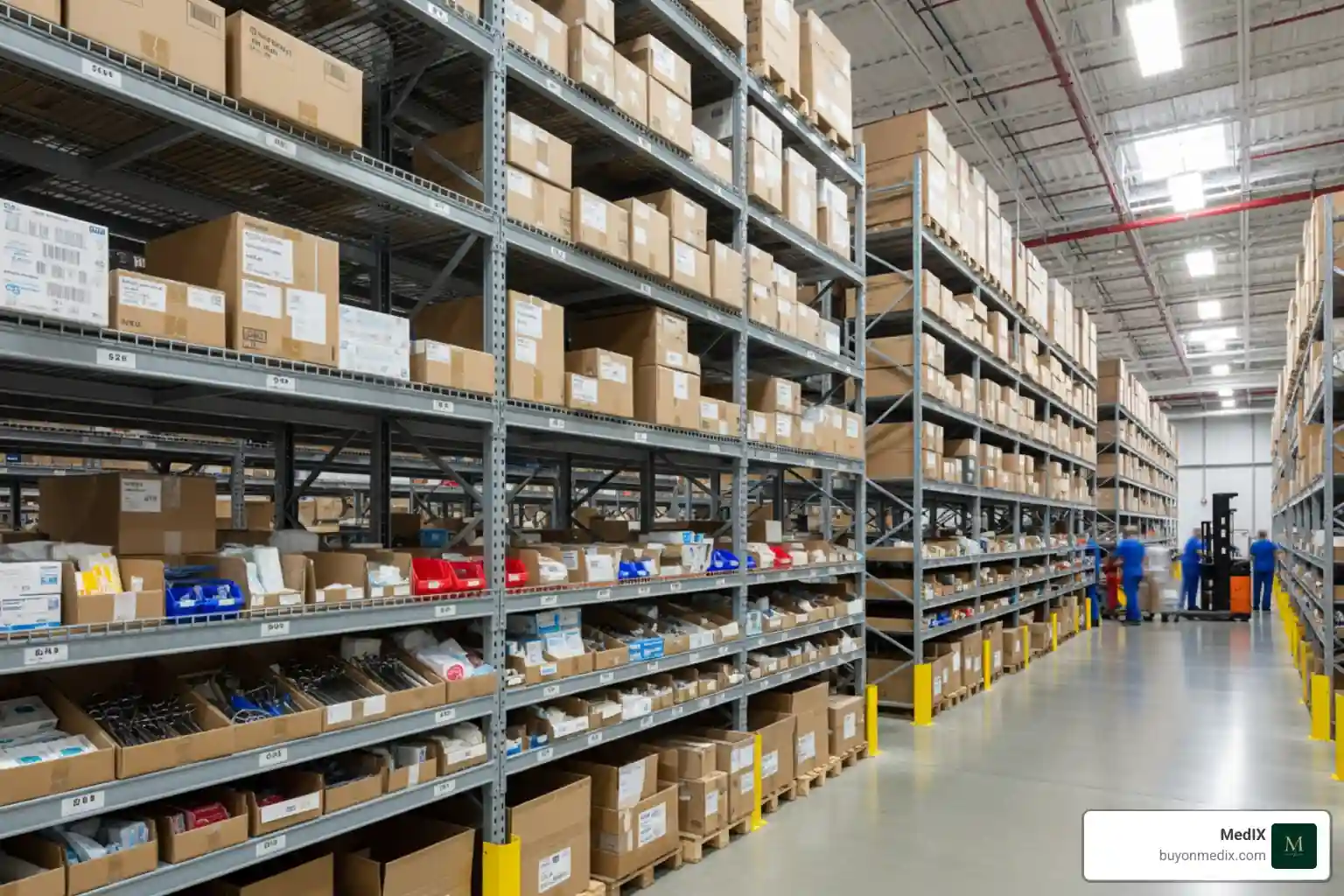
According to industry data, major distributors operate millions of square feet of warehousing space and can deliver to the vast majority of customers within 24 hours. That scale matters when patient care depends on having the right equipment at the right time.
But scale alone isn't enough. You need partners who understand compliance requirements, offer transparent pricing, and can handle the complexity of international logistics without dropping the ball.
This guide breaks down everything you need to know about sourcing bulk medical equipment—from essential product categories to supplier vetting checklists. Whether you're stocking a new facility or optimizing an existing supply chain, you'll find practical insights backed by real industry data.
Essential Categories of Bulk Medical Supplies and Equipment
When we talk about bulk medical equipment, we're covering a vast array of products crucial for the daily operations of any healthcare facility, from small clinics to large hospital systems. What types of bulk medical equipment are essential for healthcare facilities? Essentially, anything that keeps the doors open and patients cared for.
Consider the sheer volume: major distributors can offer hundreds of thousands of med-surg products. This demonstrates the immense diversity and quantity of items needed. From diagnostic tools to patient care essentials, purchasing these items in bulk ensures that healthcare providers can focus on what matters most: patient well-being.

Diagnostic and Monitoring Devices
These are the eyes and ears of healthcare, allowing us to accurately assess patient health. When purchased in bulk, facilities ensure consistent availability for every examination room, emergency department, and ward.
- Stethoscopes: Essential for listening to internal body sounds, these are needed across all departments.
- Thermometers: From digital to infrared, accurate temperature readings are a first line of defense.
- Blood Pressure Monitors: Manual or automated, these are fundamental for vital sign assessment.
- Patient Monitors: Devices that continuously track vital signs for critical or recovering patients.
- Pulse Oximeters: Quickly measure oxygen saturation levels, crucial in many clinical scenarios.
- ECG/EKG Machines: For assessing heart function, these are vital for cardiology and emergency services.
Online medical supply marketplaces highlight an extensive inventory of diagnostic tools like stethoscopes and thermometers from top brands, showing the broad need for these items.
Consumables and Disposable Goods
Often overlooked due to their everyday nature, these items are consumed at an incredible rate and are prime candidates for bulk medical equipment purchasing. Running out is simply not an option.
- Gloves: A universal requirement for hygiene and infection control.
- Masks: Including surgical, N95, and procedural masks, critical for staff and patient protection.
- Gowns: Isolation gowns, surgical gowns, and patient gowns.
- Syringes and Needles: For injections, blood draws, and medication delivery.
- Bandages and Dressings: Essential for wound care, from basic adhesive strips to advanced wound care products.
- Exam Table Paper: Maintains hygiene and comfort in examination rooms.
The wide selection of PPE (personal protective equipment) available online is a testament to the continuous demand for these items, especially during flu seasons or global health crises.
Durable Medical and Mobility Equipment
These are the workhorses of a healthcare facility, designed for repeated use and often requiring significant investment. Bulk purchasing can involve standardizing models across a facility or system.
- Hospital Beds: Electrically adjustable beds for patient comfort and care.
- Wheelchairs: Manual and electric, for patient transport and mobility.
- Recliner Chairs: For patient comfort in waiting areas, dialysis units, or recovery rooms. Many suppliers list refurbished recliner chairs.
- Walkers and Rollators: Aids for patients requiring assistance with ambulation.
- Infusion Pumps: Precisely deliver fluids, nutrients, and medications to patients. Refurbished infusion pumps are also widely available.
- Suction Pumps: Used for clearing airways or surgical sites. Both single and double bottle surgical suction pumps are available from various suppliers.
Specialized and Surgical Instruments
These categories include items specific to operating rooms, specialty clinics, and advanced procedures. They often represent a higher per-unit cost but are indispensable for specialized care.
- Surgical Lights: Provide optimal illumination during surgical procedures. Suppliers offer various examination and operating room lights, including LED models.
- Electrosurgical Units: Devices used for cutting, coagulating, and dissecting tissue during surgery. These are considered essential hospital equipment.
- Gastroscopes: For endoscopic examinations of the upper digestive tract. Refurbished gastroscopes are available through specialized platforms.
- Custom Procedure Trays: Pre-packaged sets of instruments and supplies for specific surgical procedures, streamlining OR efficiency.
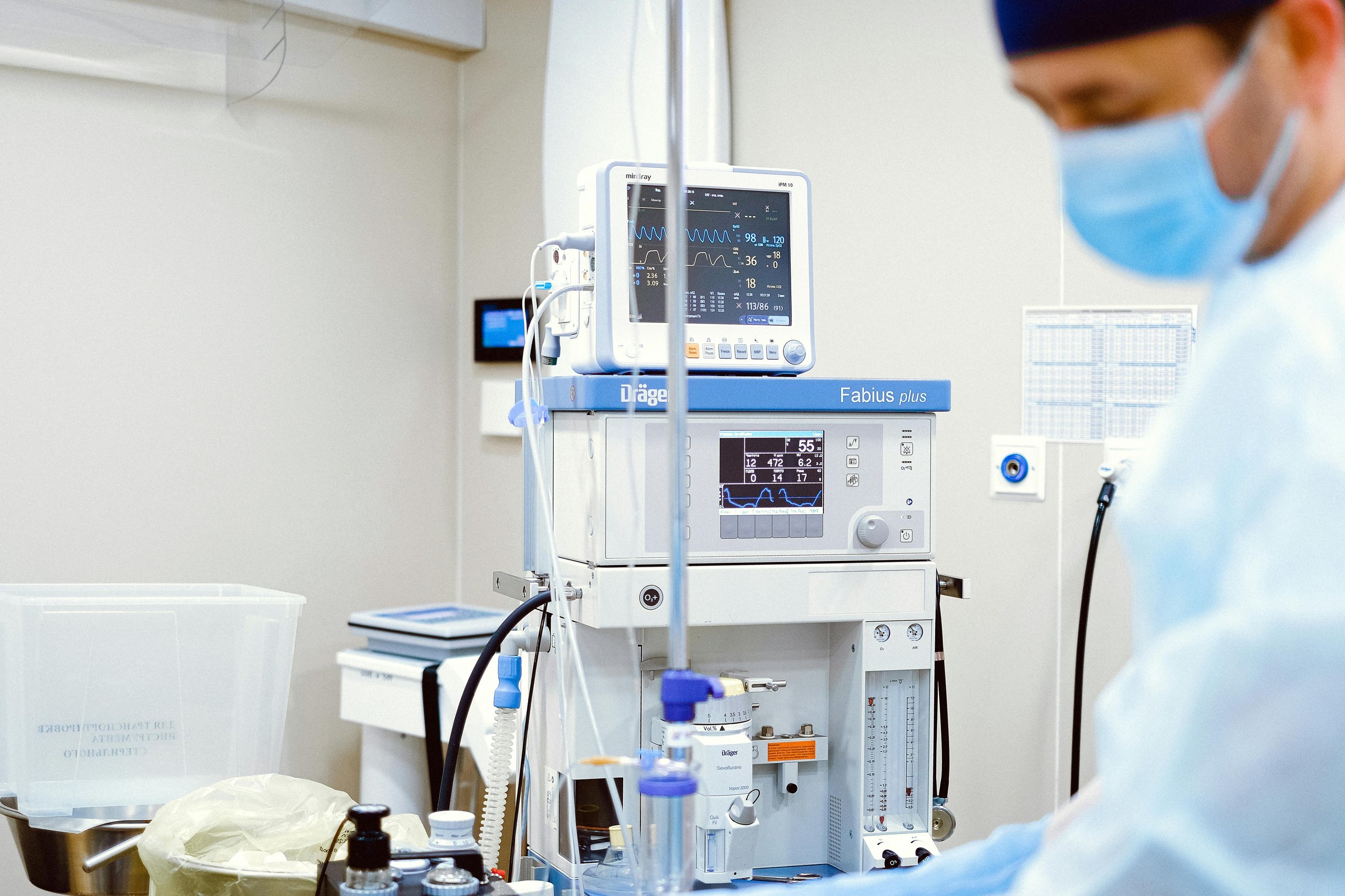
- Anesthesia Machines: Deliver anesthetic gases and monitor patient vitals during surgery.
- Sterilization Supplies: Autoclaves, sterile wraps, and indicators crucial for preventing surgical site infections.
Laboratory Supplies
Laboratories are the backbone of diagnosis and research, requiring a constant influx of specialized consumables and equipment.
- Pipettes and Vials: For precise measurement and storage of samples.
- Centrifuges: Used to separate components of fluid samples. Online medical supply stores include lab machines like centrifuges.
- Rapid Test Kits: For quick diagnosis of various conditions.
- Test Tubes and Refrigerators: Fundamental for sample processing and storage. Major distributors also highlight a range of laboratory supplies to support early detection and chronic care management.
The Strategic Advantages of Bulk Purchasing
Why do healthcare facilities opt for bulk medical equipment purchasing? It’s not just about getting more for less; it's a strategic move that touches every aspect of a facility's operation, from financial health to patient safety. What are the benefits of purchasing medical equipment in bulk? How does bulk purchasing of medical equipment impact healthcare costs and efficiency? Let's explore.

Reducing Costs and Improving Financial Health
The most immediate and appealing benefit of bulk purchasing is the significant financial advantage.
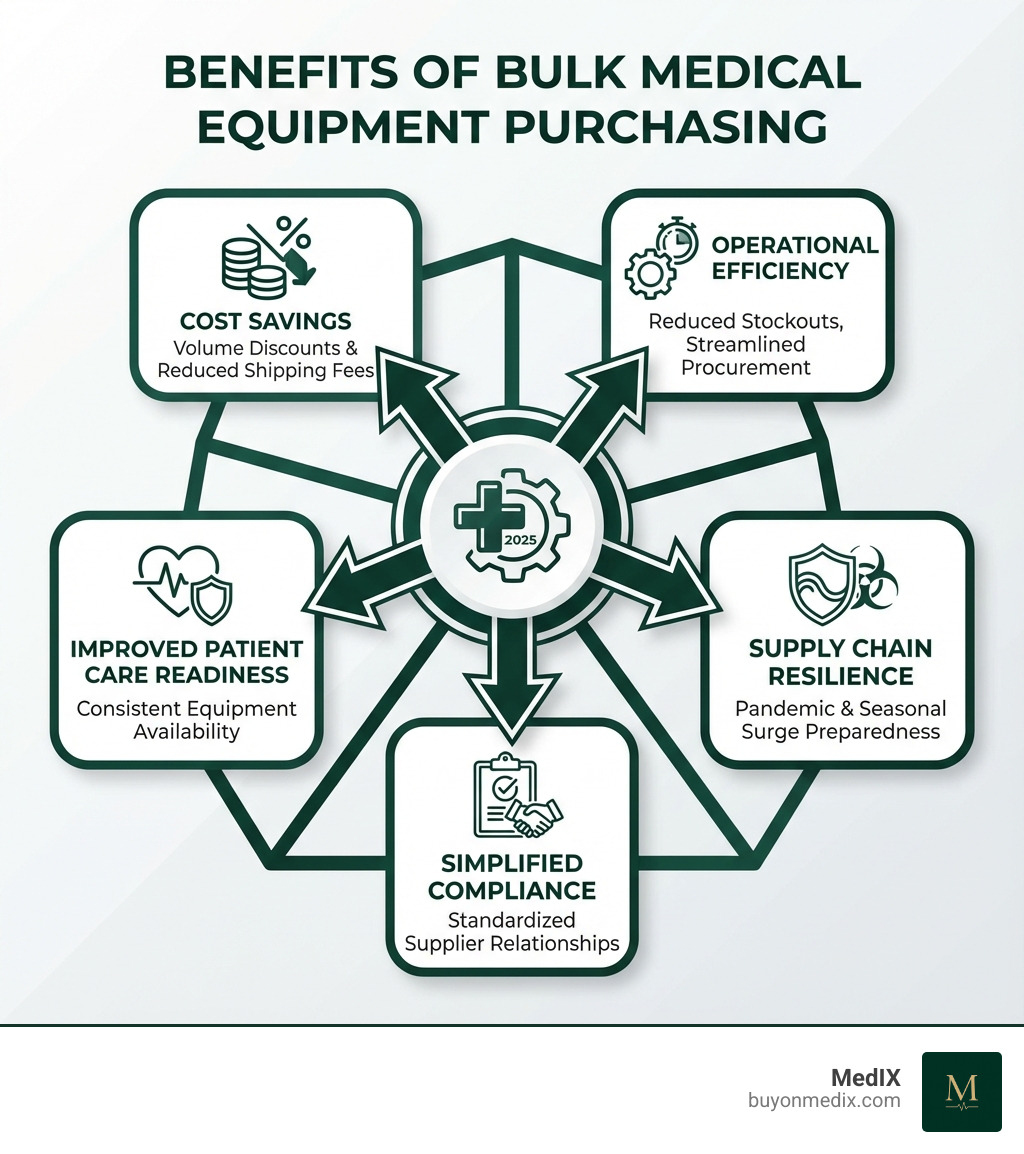
- Volume Discounts: Suppliers often offer tiered pricing, meaning the more you buy, the lower the per-unit cost. This directly translates into substantial savings on your overall procurement budget.
- Lower Per-Unit Costs: Beyond explicit discounts, bulk orders reduce the administrative overhead per item, making each unit cheaper in the long run.
- Reduced Shipping Fees: Consolidating orders into fewer, larger shipments can drastically cut down on freight costs and handling fees. Imagine the savings when ordering hundreds of thousands of products from a major distributor in fewer, larger deliveries.
- Predictable Budgeting: With long-term bulk contracts, facilities can lock in prices, making budgeting more stable and predictable. This foresight helps avoid unexpected price hikes due to market fluctuations.
- Realizing Savings: Strategic procurement services have helped hospitals realize significant savings in medical and IT equipment costs for years, demonstrating the tangible financial impact of smart purchasing.
Enhancing Operational Efficiency and Patient Care
Beyond cost, bulk purchasing significantly streamlines operations and directly contributes to better patient outcomes.
- Ensuring Availability: Running out of critical supplies or equipment in a healthcare setting is simply not an option. Bulk purchasing ensures a consistent stock, preventing delays in patient care.
- Preventing Stockouts: Imagine a surgical procedure delayed because a specific instrument isn't available. Bulk orders drastically reduce the risk of such critical stockouts, ensuring that clinicians always have what they need, when they need it.
- Streamlining Procurement: Instead of frequent, small orders, bulk purchasing consolidates the process, reducing the administrative burden on procurement teams. This frees up staff to focus on more strategic tasks.
- Reducing Administrative Burden: Fewer invoices, fewer deliveries, and fewer supplier interactions mean less paperwork and administrative effort for your team.
- Improving Clinical Outcomes: When staff have immediate access to high-quality equipment and supplies, they can deliver care more efficiently and effectively, directly impacting patient outcomes. Leading healthcare suppliers aim to make healthcare run better by delivering improved clinical, financial, and operational outcomes, highlighting this interconnectedness.
- Fast Shipping Options: Partnerships with distributors offering next-day shipping to most customers, combined with bulk orders, means facilities can maintain optimal stock levels without excessive inventory.
Building a Resilient Supply Chain
The past few years have highlighted the critical importance of a robust and resilient supply chain in healthcare. Bulk purchasing is a cornerstone of this resilience.
- Preparing for Demand Surges: Healthcare demand isn't constant. Flu seasons, local outbreaks, or emergencies can cause sudden spikes. Having bulk medical equipment on hand allows facilities to absorb these surges without compromising care. Many suppliers offer seasonal readiness programs to help facilities prepare year-round with vaccines and supplies.
- Flu Season Readiness: Proactive bulk ordering of vaccines, PPE, and diagnostic tests is a standard practice to manage seasonal illnesses effectively.
- Pandemic Preparedness: The WHO's guidance on medical devices for COVID-19 response, including oxygen therapy devices and PSA oxygen plants, underscores the need for strategic bulk procurement in times of crisis. Having a robust inventory is key.
- Reducing Supply Disruptions: Relying on fewer, larger orders from trusted suppliers creates stronger relationships and more predictable supply lines, mitigating the impact of global supply chain volatility. The vast warehousing capacity of major distributors exemplifies the scale needed for supply chain resilience.
Sourcing and Procuring Bulk Medical Equipment: A Checklist
Sourcing bulk medical equipment requires careful consideration to ensure quality, compliance, and cost-effectiveness. It's not just about finding a supplier; it's about finding the right partner. What factors should healthcare providers consider when sourcing bulk medical equipment? How do regulatory requirements and quality standards affect the procurement of bulk medical equipment? What are the challenges associated with bulk medical equipment purchasing, and how can they be overcome?
Key Factors for Sourcing Bulk Medical Equipment
Choosing a supplier for bulk medical equipment is a critical decision that impacts patient care and financial health.
- Supplier Reputation: Look for established suppliers with a proven track record of reliability, quality, and customer service. Testimonials and industry recognition are good indicators.
- Product Quality: This is non-negotiable. Ensure that the equipment meets or exceeds clinical standards and is appropriate for its intended use.
- Regulatory Adherence (FDA, CE): All medical equipment must comply with strict regulatory standards specific to the regions where it will be used. The World Health Organization (WHO) provides technical specifications for various medical devices, emphasizing the importance of compliance. Always verify that products are FDA-approved (for the US), CE-marked (for Europe), or meet other relevant international standards.
- Warranty and Support Policies: Understand the warranty terms for both new and refurbished equipment. A supplier's warranty policy, for instance, often differentiates coverage based on whether an item is Factory New, Factory Refurbished, or Certified Refurbished. Post-purchase support, including maintenance and repairs, is equally important. Reputable suppliers often highlight their multi-point inspection processes and network of biomedical engineers for support.
Here is a list of questions we recommend asking any potential supplier:
- What specific certifications do your products hold (e.g., FDA, CE, ISO)?
- Can you provide references from other healthcare facilities that have purchased bulk medical equipment from you?
- What are your quality control processes, and can we review them?
- What is your typical lead time for large orders, and how do you handle expedited requests?
- What are your warranty terms, and what kind of post-sale technical support do you offer?
- How do you handle product recalls or safety alerts?
- What are your packaging and shipping procedures for sensitive medical equipment?
- Do you offer training for our staff on new equipment?
Choosing the Right Equipment for Your Facility
Making informed decisions about equipment requires balancing immediate needs with long-term strategic goals.
- Cost-Benefit Analysis: Always weigh the initial purchase cost against the long-term benefits, including durability, maintenance, energy efficiency, and impact on patient outcomes. Sometimes, a higher upfront cost for a more robust piece of equipment can lead to greater savings over its lifespan.
- Warranty Considerations: As mentioned, warranties vary. For example, some suppliers note that Factory New items are covered by the manufacturer's warranty, while their Certified Refurbished items have a vendor-specific warranty. Understanding these distinctions is crucial, especially when considering refurbished options which can offer significant savings.
- Factory New Items: These come with the full manufacturer's warranty and the latest technology.
- Refurbished Equipment: Many platforms offer refurbished options, which can be a cost-effective way to acquire high-quality equipment. It's important to ensure these come with robust warranties and have undergone a thorough inspection, such as a multi-point certification process.
| Equipment Type | Cost Considerations | Warranty Expectations | Availability |
|---|---|---|---|
| Diagnostic Tools | Varies, from low-cost consumables to high-end machines | Standard manufacturer warranties; refurbished options vary | High availability from major distributors and marketplaces |
| Consumables | Low per-unit, high volume; significant bulk discounts | Limited/none due to disposable nature | Constantly available, critical for bulk orders |
| Durable Equipment | Moderate to high investment | Standard manufacturer warranties (1-5 years); refurbished options with vendor warranties | Readily available new, significant savings possible with certified refurbished |
| Surgical Instruments | High per-unit, specialized, often reusable | Manufacturer warranties for new; careful inspection for reusable | Specialized suppliers, often requires vetting |
| Lab Equipment | Can be very high (e.g., mass spectrometers) | Standard manufacturer warranties; often includes service contracts | Specialized suppliers, sometimes available refurbished |
Navigating Challenges in Bulk Medical Equipment Purchasing
While beneficial, bulk purchasing isn't without its problems. However, with the right strategy and partners, these can be effectively overcome.
- Logistical Complexities: Moving large volumes of sensitive equipment, especially across international borders, can be daunting. Customs, varied shipping regulations, and storage needs all add layers of complexity.
- Hidden Costs: Beyond the sticker price, consider import duties, taxes, specialized shipping, installation, calibration, and potential maintenance contracts.
- Quality Control Issues: Ensuring consistent quality across a large bulk order, particularly from new suppliers, requires diligent vetting and quality assurance processes.
- Supplier Vetting: The sheer number of suppliers can make it challenging to identify truly reliable partners who meet all compliance and quality standards. This is where platforms that verify suppliers become invaluable.
- Managing Large Inventories: While bulk buying prevents stockouts, it also means managing more inventory. This requires adequate storage space, efficient tracking systems, and careful demand forecasting.
- Finding Reliable Partners: The biggest challenge is establishing trust with suppliers who can consistently deliver quality, comply with regulations, and provide excellent support.
Overcoming these challenges often involves leveraging technology and partnering with platforms that specialize in medical equipment procurement, offering transparency and verified suppliers.
Optimizing Inventory and Embracing Future Trends
Effective management of bulk medical equipment extends far beyond the initial purchase. It involves sophisticated inventory control, embracing technology, and staying ahead of emerging trends to ensure efficiency, cost-effectiveness, and, most importantly, uninterrupted patient care. How to maintain and manage bulk medical equipment inventory? How can technology optimize procurement? What are the emerging trends?
Modern Inventory Management Techniques
Efficient inventory management is the backbone of successful bulk medical equipment procurement, turning potential logistical headaches into smooth operations.
- Barcode Scanning Systems: Modern inventory tools simplify ordering and purchasing through bar code scanning. This dramatically reduces manual errors and speeds up the inventory process, helping facilities track what they have and where it is.
- Automated Ordering: Integrating inventory systems with supplier platforms allows for automated reordering when stock levels hit predefined thresholds. This prevents stockouts and reduces the administrative burden of manual requisitioning.
- Real-time Tracking: Knowing the exact location and quantity of every item in your inventory at any given moment is invaluable. Real-time tracking capabilities provide immediate insights, optimize storage, and reduce waste.
- Customized Reporting: Generating detailed reports on usage patterns, expiration dates, and cost analysis helps procurement teams make data-driven decisions, optimize future orders, and identify areas for cost savings. Advanced supply management software offers customized reporting and integration with practice management systems.
- Inventory Management Platforms: Comprehensive platforms integrate all these features, providing a centralized hub for managing all aspects of medical equipment and supply inventory.
The Role of Technology and Automation
Technology is revolutionizing how we approach bulk medical equipment procurement, making it smarter, faster, and more reliable.
- AI-Matching for Suppliers: Advanced platforms use artificial intelligence to match healthcare facilities with certified suppliers based on specific needs, compliance requirements, and geographical location. This streamlines the search process and ensures optimal matches.
- Automated Warehousing: The large-scale operations of major distributors, some with millions of square feet of warehousing, highlight the growing trend of automation in medical logistics. Automated systems improve efficiency, reduce labor costs, and improve order accuracy.
- Centralized Procurement Platforms: These platforms act as a single point of access for sourcing, ordering, and managing bulk medical equipment. They simplify complex supply chains, offering transparency and control.
- Data Analytics for Forecasting: By analyzing historical purchasing data, patient volumes, and seasonal trends, advanced analytics can accurately forecast future demand. This allows for proactive bulk purchasing, minimizing overstocking or stockouts. This data-driven approach is key to improving clinical, financial, and operational outcomes.
Emerging Trends in Medical Supply Procurement
The landscape of bulk medical equipment purchasing is continually evolving, driven by innovation, global events, and a demand for greater efficiency and sustainability.
- Growth of B2B Marketplaces: Online marketplaces are becoming increasingly popular for sourcing bulk medical equipment. These platforms offer a vast selection of new and used equipment from verified sellers, simplifying the procurement process for facilities worldwide.
- Focus on Sustainable Sourcing: Healthcare facilities are increasingly looking for suppliers who prioritize environmental sustainability, from manufacturing processes to packaging and logistics. This trend aligns with broader corporate social responsibility goals.
- Increased Transparency: Demand for greater transparency in pricing, product origins, and supply chain processes is growing. Buyers want clear visibility into where their equipment comes from and how it's handled.
- On-Demand Procurement Models: While bulk purchasing is key, there's also a trend towards more agile, on-demand procurement for certain items, enabled by the rapid delivery networks of major distributors.
- Global Networks and Unbiased Sourcing: Many procurement partners emphasize their global network and unbiased approach, recommending products based on institutional needs rather than vendor quotas. This shift towards client-centric sourcing is a significant trend.
Frequently Asked Questions about Bulk Medical Equipment
We understand that navigating bulk medical equipment can sometimes raise questions. Here are some of the most common ones we encounter:
What is the difference between medical equipment and medical supplies?
It's a common point of confusion, but the distinction is quite straightforward:
- Medical Equipment: This generally refers to durable, reusable items that are typically used over a long period. Think of items like hospital beds, diagnostic machines (X-ray, MRI), patient monitors, surgical lights, or infusion pumps. These are often significant investments and may require maintenance and calibration.
- Medical Supplies: These are typically disposable, consumable items that are used once or for a short period and then discarded. Examples include gloves, masks, syringes, bandages, IV bags, and exam table paper. These items are purchased in very high volumes.
Both categories are essential for healthcare operations and can be purchased in bulk to achieve cost savings and ensure availability.
How do I ensure the quality of bulk equipment?
Ensuring the quality of bulk medical equipment is paramount for patient safety and operational reliability. Here’s how we recommend approaching it:
- Look for Supplier Certifications: Verify that your suppliers are certified (e.g., ISO, CE, FDA registered). These certifications indicate adherence to international quality management standards and regulatory requirements.
- Inquire About Quality Assurance Processes: Ask suppliers about their internal quality control procedures, including manufacturing standards, testing protocols, and how they handle non-conforming products. Reputable companies pride themselves on rigorous processes, such as a multi-point inspection, which ensures equipment meets or exceeds manufacturer guidelines.
- Check for Comprehensive Warranty Policies: A strong warranty signals a supplier's confidence in their product. Understand the terms, duration, and what is covered, especially for refurbished equipment. A supplier's detailed warranty policy for different conditions of equipment is a good example of what to look for.
- Ask for Inspection Reports: For larger, more complex pieces of equipment, request inspection reports or technical specifications, particularly for refurbished or pre-owned items.
- Use Verified Marketplaces: Partner with platforms that pre-vet and verify suppliers, adding an extra layer of assurance.
Can small clinics or practices benefit from bulk purchasing?
Absolutely! While bulk purchasing might seem custom for large hospitals, small clinics and practices can reap significant benefits too.
- Leveraging Flexible Bulk Options: Many suppliers and marketplaces, including MedIX, offer flexible bulk quantities that cater to smaller operational scales, allowing clinics to buy enough to gain discounts without overstocking.
- Partnering with Other Local Clinics: Forming purchasing groups with other local practices can allow you to combine orders, meet minimum bulk quantities, and collectively access better pricing.
- Utilizing Marketplaces That Offer Scalable Quantities: Online platforms often have a wide range of suppliers, some of whom are willing to offer competitive pricing on smaller bulk orders.
- Focusing on High-Volume Supplies: Even if large equipment isn't bought in bulk, consumables like gloves, masks, syringes, and bandages are used daily. Purchasing these in bulk will lead to considerable savings over time.
Conclusion
Navigating the complexities of bulk medical equipment procurement is a strategic imperative for every healthcare facility. It’s about more than just transactional buying; it’s about strategic sourcing, achieving cost-efficiency, ensuring patient safety, and optimizing your entire supply chain.
By leveraging modern technology and partnering with a trusted global marketplace, healthcare facilities can simplify procurement, ensure equipment quality, and ultimately improve patient care. We believe that access to verified equipment and transparent transactions should be seamless, no matter where you are in the world.

Expert voices
Insights from leaders transforming medical equipment procurement


More from our blog
Discover the latest trends in medical technology and procurement
Stay ahead of medical technology
Get the latest insights, research, and market updates delivered straight to your inbox
Ready to transform your procurement
Discover how MedIX can streamline your medical equipment sourcing process